
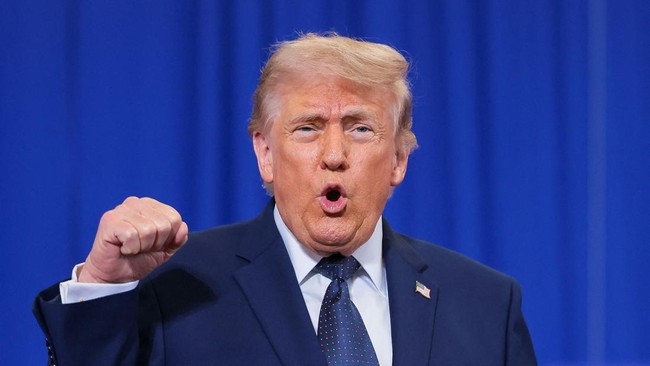
Trump Claims Peace Deal With Iran as Tehran Denies Agreement
US President Donald Trump announced a major peace agreement with Iran on Thursday, June 11, 2026, to end the Middle East war. According to the White House, the deal resulted in the immediate cancellation of airstrikes scheduled for that night, though Iranian officials have since denied any agreement was reached.
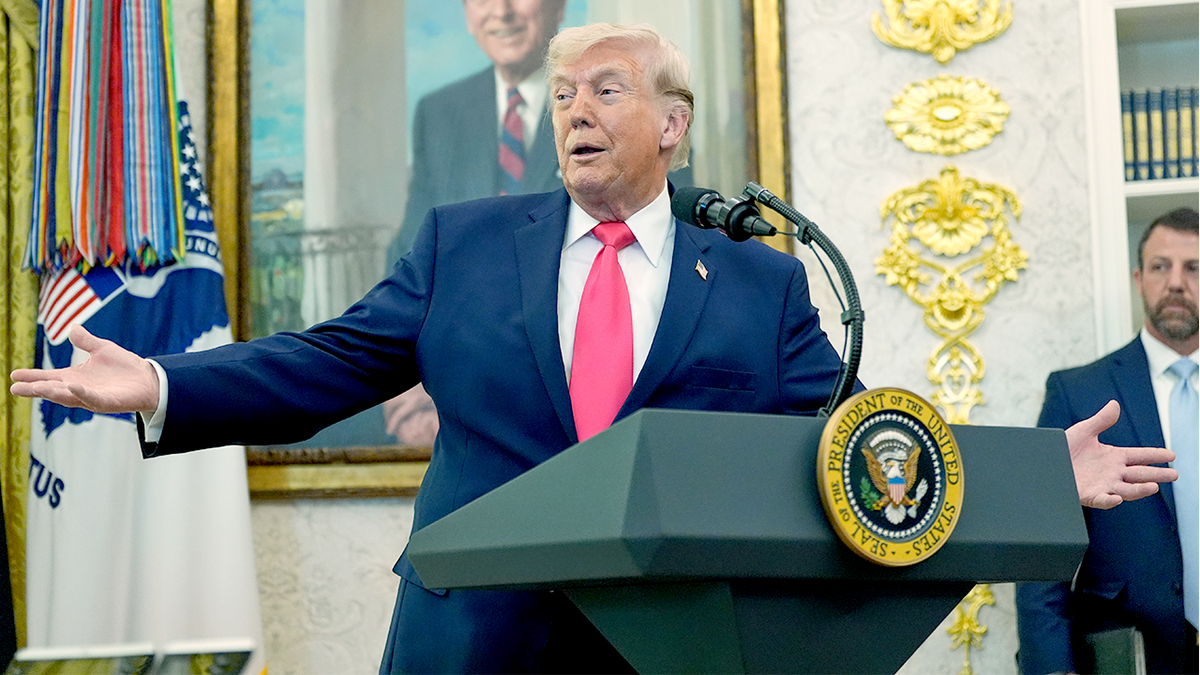
Trump told reporters in the Oval Office that a draft agreement is currently awaiting the finalization of official documents. He stated that signing the deal would allow the US to reopen the Strait of Hormuz for global energy supplies.
On his Truth Social account, Trump listed several nations that support the cancellation of the attacks. These include Israel, Saudi Arabia, the United Arab Emirates, Qatar, Turkey, Pakistan, Bahrain, Kuwait, Jordan, and Egypt.
The announcement followed a sharp shift in rhetoric. Only hours before the claim, Trump had threatened to hit Iran “very hard tonight” and suggested the US might seize Kharg Island to control the region’s oil and gas markets.
Why did Iran deny the peace deal?
Tehran rejected the White House claims shortly after they were released. Fars, an official Iranian government media outlet, announced via Telegram that the country’s highest authorities have not approved any text for a memorandum of understanding (MOU) with the US.
Fars described Trump’s move as a “tactical retreat” from his military threats. The outlet claimed Trump failed to secure new, favorable terms in a draft previously proposed by Iran.
According to Fars, the US has actually returned to its previous demands. However, the outlet indicated that peace remains possible if the White House accepts the original draft proposed by Tehran.
How did global markets respond to the announcement?
Financial markets reacted instantly to the news of the cancelled airstrikes. International stock indices surged while global crude oil prices plummeted to their lowest levels.
The market volatility occurred despite conflicting reports on the deal’s validity. This reaction reflects the high sensitivity of energy prices to stability in the region.
What happens to the US naval blockade?
The US military is maintaining a full naval blockade of Iranian logistics ports in the Gulf of Oman. Officials confirmed there will be no reduction in these operations at this time.
The blockade will remain in effect until both parties legally finalize and sign all peace documents. This suggests a cautious approach from the Pentagon despite the President’s optimistic claims.
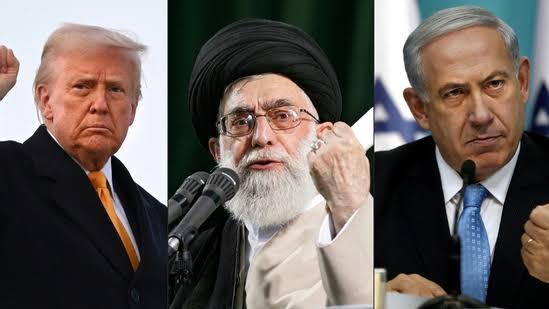
Prime Minister Benjamin Netanyahu of Israel also spoke with Trump via telephone. His office confirmed the call and stated that Netanyahu appreciates Trump’s commitment to ensuring any final deal includes strict limits on Iran’s nuclear capabilities.
Frequently Asked Questions
When was the peace deal announced?
President Trump claimed the agreement was reached on Thursday, June 11, 2026.
Which countries were listed as supporting the move?
The US, Israel, Saudi Arabia, UAE, Qatar, Turkey, Pakistan, Bahrain, Kuwait, Jordan, and Egypt.
Is the US naval blockade in the Gulf of Oman still active?
Yes, the US military stated the blockade remains fully in place until the peace documents are legally finalized.
Do you believe the market’s reaction to the peace claim was premature given the denial from Tehran?