
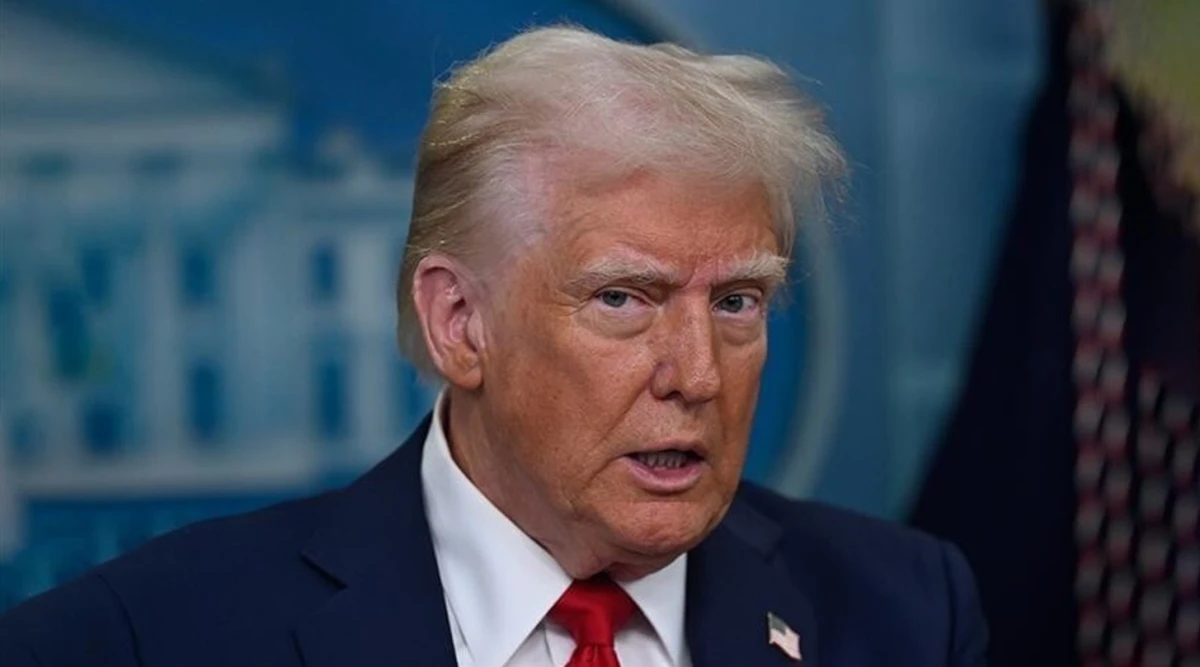
Trump Confident in Iran Peace Deal as Khamenei Agrees to Uranium Terms
The High-Stakes Diplomacy: Navigating the U.S.-Iran Peace Framework
The geopolitical landscape of the Middle East is currently undergoing a seismic shift. As the three-month conflict between the United States and Iran reaches a critical juncture, negotiators are racing to finalize a peace framework that could fundamentally alter regional security. At the heart of this tension lie two non-negotiable pillars: the reopening of the Strait of Hormuz and the future of Iran’s nuclear capabilities.
The Nuclear Dilemma: A Test of National Sovereignty
At the center of the ongoing discourse is the status of Iran’s highly enriched uranium stockpile. President Donald Trump has consistently pushed for more stringent terms, insisting that the material must be removed from the country to ensure regional stability. However, the path to consensus is fraught with complexity.
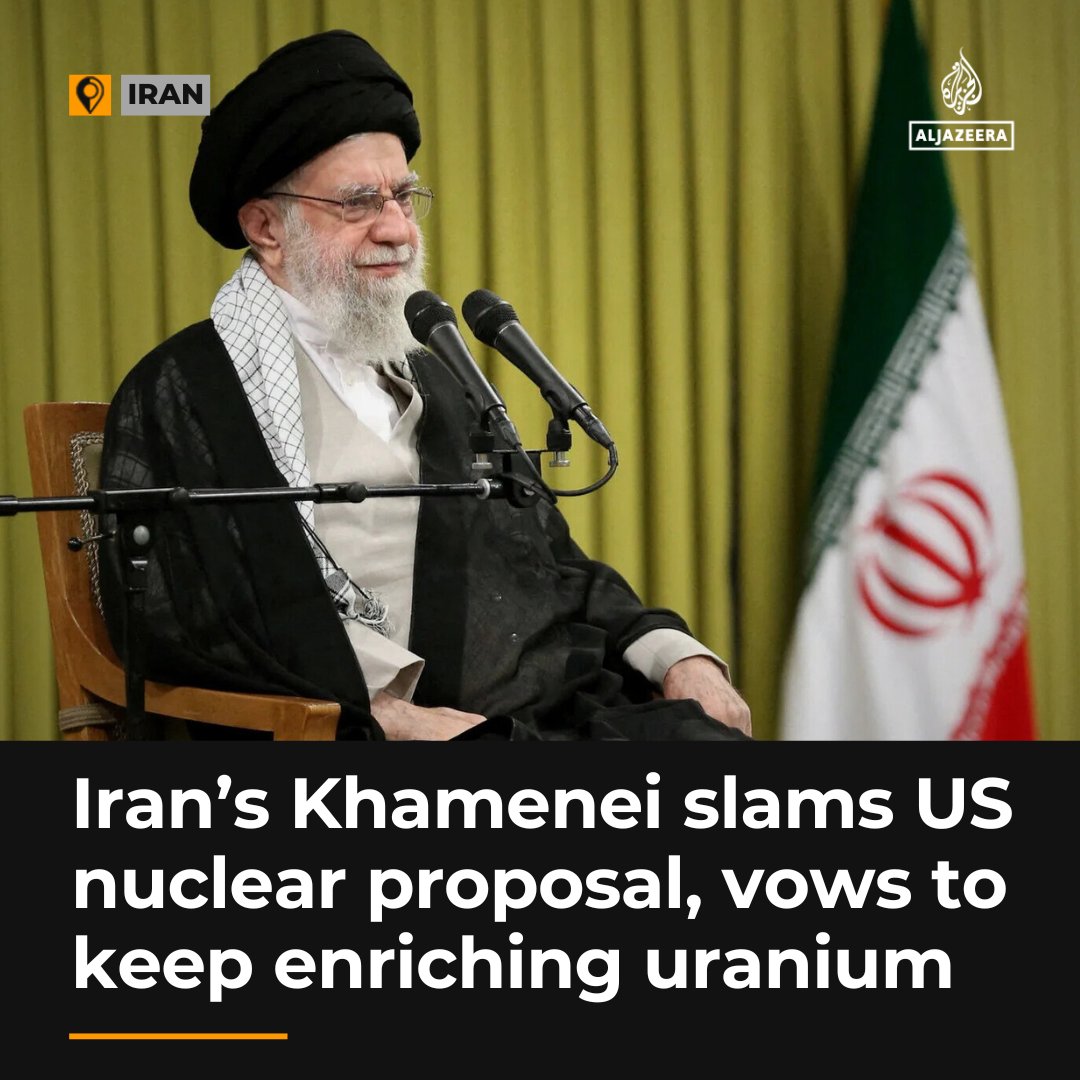
Recent reports suggest that while Iran’s Supreme Leader, Mojtaba Khamenei, has approved the general framework of the deal, significant friction remains regarding the mechanics of uranium disposal. Iranian officials have cited concerns over “national pride,” creating a delicate balancing act for diplomats attempting to satisfy Washington’s security requirements without triggering a domestic backlash in Tehran.
The Strait of Hormuz is one of the world’s most critical “chokepoints.” Approximately 20% of the world’s total petroleum liquids consumption passes through this narrow waterway, making its accessibility a top priority for global economic stability.
Restoring the Flow: The Strait of Hormuz
The proposed agreement aims to reopen the Strait of Hormuz, effectively ending the naval standoff that has paralyzed maritime trade for weeks. The trade-off is clear: the United States would agree to lift the current blockade in exchange for guaranteed free passage and a verified roadmap for nuclear disarmament.
Strategic Hurdles for Implementation
- Verification Mechanisms: Establishing a robust, transparent system to monitor the removal of nuclear materials.
- Phased Sanctions Relief: Linking the easing of economic sanctions directly to verifiable progress on the ground.
- Leadership Sign-off: The final hurdle remains the personal approval of both President Trump and Supreme Leader Khamenei, both of whom have demanded amendments to previous draft iterations.
Leadership Dynamics: A Personal Approach to Peace
President Trump has signaled a desire for direct communication with the Iranian leadership once the conflict subsides. This approach marks a departure from traditional back-channel diplomacy, suggesting that personal rapport could play a pivotal role in long-term de-escalation.
When analyzing geopolitical news, look beyond the headlines. Focus on the “verification mechanisms” mentioned in official statements; these details often dictate whether a peace agreement will hold or collapse under pressure.
Frequently Asked Questions
- What is the main goal of the current U.S.-Iran negotiations?
- The primary goals are to end the three-month war, reopen the Strait of Hormuz for international shipping, and reach an agreement on the disposal of Iran’s highly enriched uranium.
- Why is the uranium stockpile so controversial?
- Highly enriched uranium is a primary component for atomic weapons. The U.S. Insists on its removal to prevent nuclear proliferation, while Iran faces internal pressure regarding the sovereignty of its nuclear programme.
- What is the next step for the peace deal?
- Negotiators are currently finalizing the specific wording of the agreement, awaiting final sign-off from President Trump and Supreme Leader Mojtaba Khamenei.
As we monitor these developments, the outcome of these talks will serve as a bellwether for future international relations in the region. Will the promise of economic relief and maritime security be enough to bridge the gap between Washington and Tehran? Only time will tell.
What are your thoughts on the proposed peace framework? Do you believe a lasting agreement is possible in the current climate? Share your insights in the comments section below.