
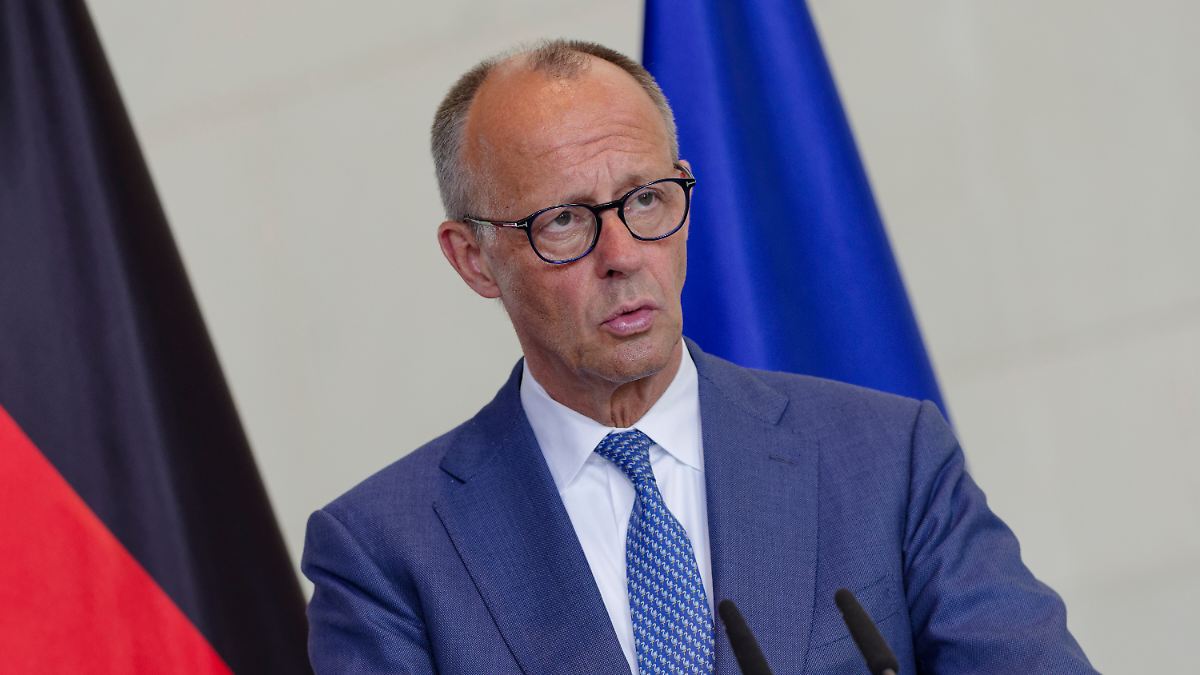
Trump Official Slams Germany for Censorship After Facebook User Fined for Insulting Chancellor
The Collision of Two Worlds: US First Amendment vs. European Speech Laws
Imagine posting a comment on social media and waking up to a multi-thousand-euro fine. For many in the United States, this sounds like a dystopian novel. For some in Germany, it is becoming a legal reality. The recent controversy surrounding a Facebook user fined for calling Chancellor Friedrich Merz a “Lügenfritz” (liar) has sparked a diplomatic firestorm, highlighting a widening chasm between American and European definitions of free speech.
At the heart of this conflict is a fundamental philosophical divide. The U.S. First Amendment provides nearly absolute protection for speech, including “morally reprehensible” or insulting language, provided it doesn’t incite immediate violence. In contrast, many European nations, particularly Germany, balance free expression against the protection of human dignity and the prevention of social unrest.
The “Lügenfritz” Precedent: When Insults Become Crimes
The legal battle over terms like “Lügenfritz” or “Lackaffe” (little monkey) isn’t just about semantics; it’s about Paragraph 188 of the German Criminal Code. This specific law is designed to protect politicians from defamation and insults, recognizing that attacking the dignity of public officials can undermine the democratic process.

However, as we see with the varying rulings—where calling a leader “Pinocchio” might pass while “Lügenfritz” does not—the line between political satire and criminal insult is dangerously thin. This inconsistency is exactly what attracts the attention of international critics, including high-ranking US diplomats who view these fines as a tool for political censorship.
The Rise of Transatlantic “Speech Wars”
We are entering an era of “digital extraterritoriality.” When a US-based platform like X (formerly Twitter) or Meta hosts a conversation, whose laws apply? If a German court orders the removal of a post or the fining of a user, the US government—particularly under administrations that prioritize an absolute interpretation of the First Amendment—increasingly views this as an infringement on American values.
This tension is likely to escalate. As the US pushes back against EU regulations like the Digital Services Act (DSA), we may see a fragmentation of the internet, often called the “Splinternet.” In this scenario, what you can say online depends entirely on which jurisdiction your server—or your lawyer—resides in.
Future Trends: Where is Global Online Discourse Heading?
As we look toward the next decade, several key trends are emerging that will redefine how we communicate online.
1. The Erosion of “Politician Privilege”
There is a growing movement, even within conservative circles in Germany, to abolish laws like Paragraph 188. The argument is simple: if you enter the political arena, you must develop a thicker skin. We can expect a trend where laws protecting public figures are rolled back to allow for more aggressive political scrutiny, mirroring the “public figure” doctrine in US law.
2. AI-Driven Content Moderation vs. Legal Nuance
The struggle to define a “liar” versus a “political critic” is too complex for current AI. As governments demand faster removals of “hate speech,” platforms are relying on algorithms that often over-censor to avoid fines. This leads to “collateral censorship,” where legitimate political dissent is erased by a bot that cannot distinguish between an insult and a critique.
3. The “First Amendment” as a Diplomatic Tool
Free speech is no longer just a domestic legal issue; it is a tool of foreign policy. We will likely see the US using the First Amendment as a benchmark to pressure allies into loosening their speech laws, framing “digital freedom” as a core component of the transatlantic alliance.

For more on how global laws affect your digital footprint, check out our guide on Digital Privacy Laws and Your Rights.
Frequently Asked Questions
Q: Can a US citizen be fined by a foreign government for a social media post?
A: While technically possible if the post violates local laws, enforcing a fine against someone physically located in the US is extremely difficult unless there is a specific treaty or the person travels to that country.
Q: What is the difference between hate speech and defamation?
A: Hate speech generally targets a group based on characteristics (race, religion, etc.), whereas defamation (or insult) targets a specific individual’s reputation or dignity.
Q: Why does Germany have stricter speech laws than the US?
A: Germany’s history, particularly the era of National Socialism, has led to a legal framework that prioritizes the prevention of hate speech and the protection of democratic stability over absolute individual expression.
Join the Conversation
Do you believe politicians should have special legal protection from insults, or should they be open to any and all criticism? Let us know in the comments below or subscribe to our newsletter for more deep dives into the intersection of law and technology.