
Trump Pushes to Expand Abraham Accords Amid Middle East Tensions
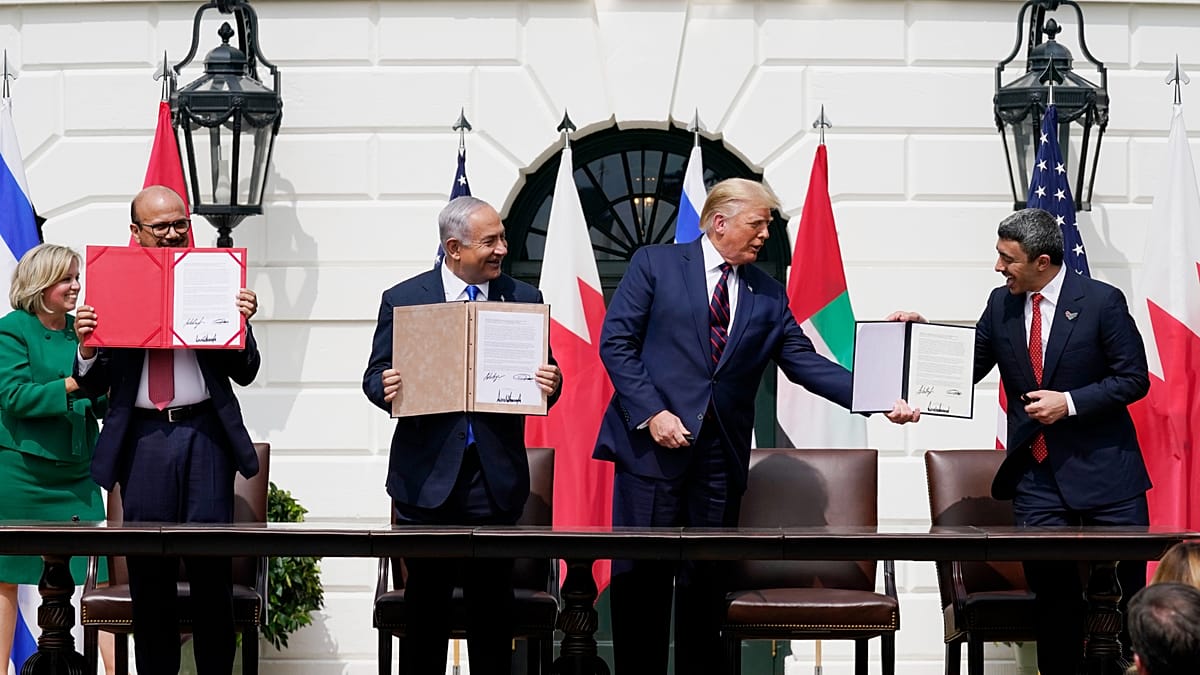
Donald Trump is seeking to expand the Abraham Accords, a series of diplomatic agreements originally brokered by the United States in 2020. These agreements were designed to normalize relations between Israel and several Arab nations.
The Foundation of the Accords
Signed during the first presidency of Donald Trump, the accords initially led the United Arab Emirates, Bahrain, and Morocco to establish formal ties with Israel. Sudan later agreed to join these diplomatic efforts.
Supporters of the framework argue that the agreements have successfully strengthened regional security cooperation. They point to the growth of regional trade as a primary benefit.
Current Objectives and Challenges
The current push to broaden these agreements is part of a wider effort to reduce tensions in the Middle East, particularly during negotiations with Iran.
Critics, however, argue that the accords failed to address the Palestinian issue, which remains at the center of the conflict. This perspective suggests that ignoring this core dispute limits the effectiveness of the agreements.
Future Outlook and Potential Expansion
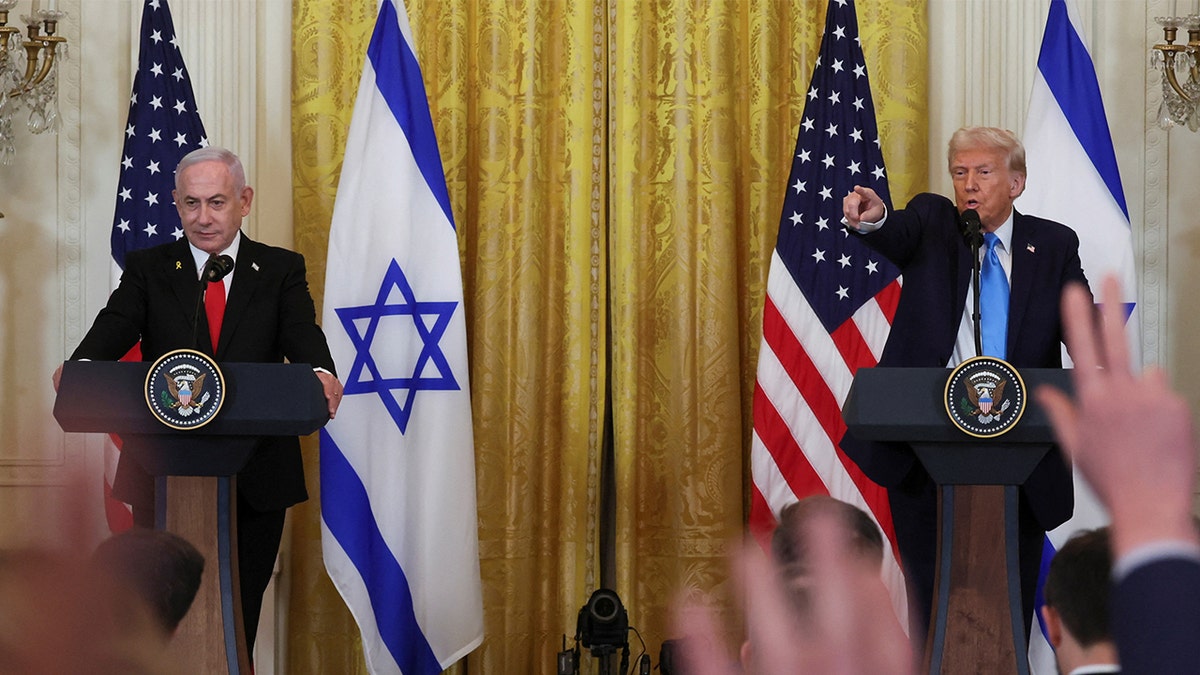
Trump has recently suggested that countries including Pakistan, Qatar, and Saudi Arabia should recognise Israel. This proposal is viewed as a possible next step in reducing regional tensions.
However, many analysts consider this expansion unrealistic at this time. They cite the ongoing war in Gaza and strong public support for Palestinians across the Muslim world as primary obstacles.
Depending on the trajectory of regional stability, these proposals may either face continued resistance or could potentially evolve as negotiations with Iran progress.
Frequently Asked Questions
What are the Abraham Accords?
The Abraham Accords are diplomatic agreements brokered by the United States in 2020 to normalize relations between Israel and several Arab countries.
Which countries have established ties through the accords?
The United Arab Emirates, Bahrain, and Morocco established formal ties, while Sudan later agreed to join.
Why do some analysts believe expanding the accords is unrealistic?
Analysts point to the war in Gaza and strong public support for Palestinians across the Muslim world as reasons why further recognition of Israel may be unrealistic.
Do you believe regional trade agreements can successfully reduce political tensions in the Middle East?