
Trump Scraps Controversial $1.8 Billion Anti-Weaponization Fund
The End of the ‘Anti-Weaponization’ Fund: A Turning Point for Executive Accountability
In a significant political retreat, the Trump administration has officially scrapped its controversial $1.8 billion “Anti-Weaponization Fund.” What was initially pitched as a mechanism to compensate those allegedly targeted by government overreach has instead become a case study in the limits of presidential power and the intensifying battle over the weaponization of federal agencies.
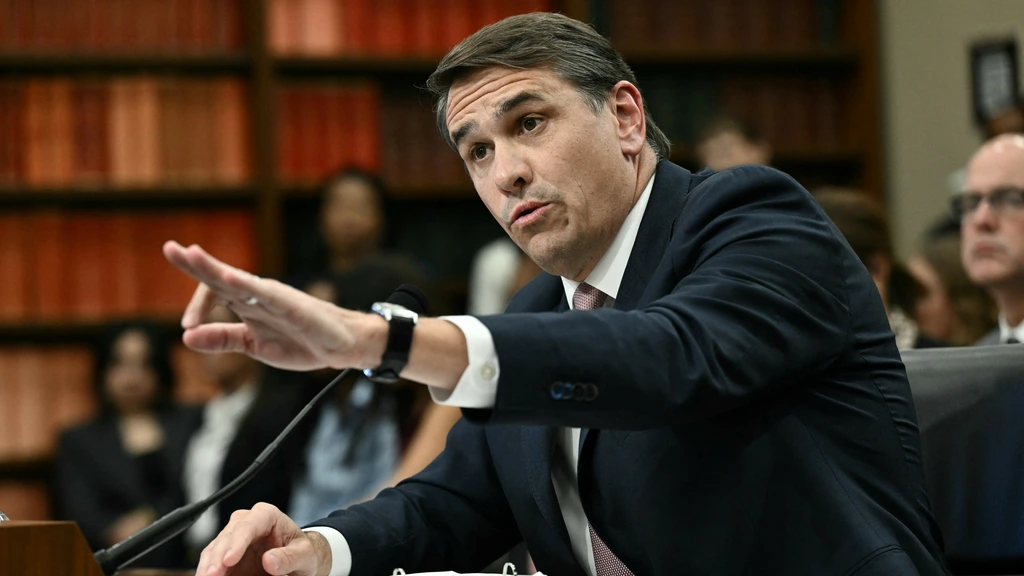
Acting Attorney General Todd Blanche confirmed the termination of the fund during a tense House hearing, marking a rare instance where legislative oversight and judicial pressure successfully curtailed a high-profile executive initiative. But while the fund is dead, the debate over how federal power is wielded—and who gets to define “political persecution”—is only just beginning.
The Erosion of Institutional Trust
The controversy surrounding the fund highlights a growing trend in American politics: the shift from legal disputes to “lawfare.” When the executive branch attempts to influence the judicial process—or compensate those caught within it—the lines between public policy and private interest blur.

Critics, including high-ranking senators, decried the move as “open corruption,” arguing that the president was effectively using the public treasury to rewrite the outcomes of federal investigations. This incident underscores a broader risk: when voters perceive that the justice system is being “weaponized” by either side, the legitimacy of the rule of law itself begins to erode.
Case Study: The Shadow of January 6th
A major friction point during the fund’s existence was the potential eligibility of individuals convicted for their roles in the January 6, 2021, Capitol breach. By refusing to explicitly exclude these individuals, the administration inadvertently turned the fund into a litmus test for political loyalty.
For observers of constitutional law, this raises a critical question: Should taxpayer money ever be used to indemnify those who have been legally convicted of challenging democratic transitions? The collapse of this fund suggests that, for now, the American political system retains enough guardrails to prevent the state from subsidizing its own insurrectionists.
The Lingering Impact of Tax Disclosures
The fund was originally conceived as part of a settlement regarding leaked tax returns—a saga that has haunted the Trump family’s business dealings for years. While the fund has been abandoned, the underlying tension regarding government transparency remains.
Future Trends: Where Federal Oversight Goes Next
As we look toward the future, expect the following trends to dominate the landscape of executive accountability:

- Increased Judicial Intervention: Courts are becoming more willing to block executive spending initiatives that lack clear congressional authorization.
- Hyper-Partisan Oversight: Congressional committees will likely ramp up their focus on “agency weaponization,” creating a perpetual cycle of hearings and subpoenas.
- Transparency as a Weapon: The battle over tax returns and financial records will continue to be a primary tool for both opposition researchers and administrations looking to settle scores.
Frequently Asked Questions (FAQ)
Q: Why was the Anti-Weaponization Fund cancelled?
A: Following intense backlash from both sides of the aisle, a federal judge blocked the initiative and the administration faced mounting pressure during congressional hearings, leading to the decision to abandon the project entirely.
Q: Does the cancellation of the fund impact the tax settlement?
A: While the fund itself is gone, the broader settlement—which includes a cessation of IRS investigations into the Trump family’s past tax filings—remains in effect, according to administration officials.
Q: What does this mean for future presidential spending?
A: It reinforces the “power of the purse” held by Congress. It serves as a reminder that executive branch agencies cannot easily bypass the legislative process to create massive compensation funds without clear legal backing.
What do you think? Was the cancellation of the fund a victory for the rule of law, or a missed opportunity to address concerns about federal overreach? Share your thoughts in the comments below or subscribe to our weekly policy newsletter for more deep dives into the changing political landscape.