
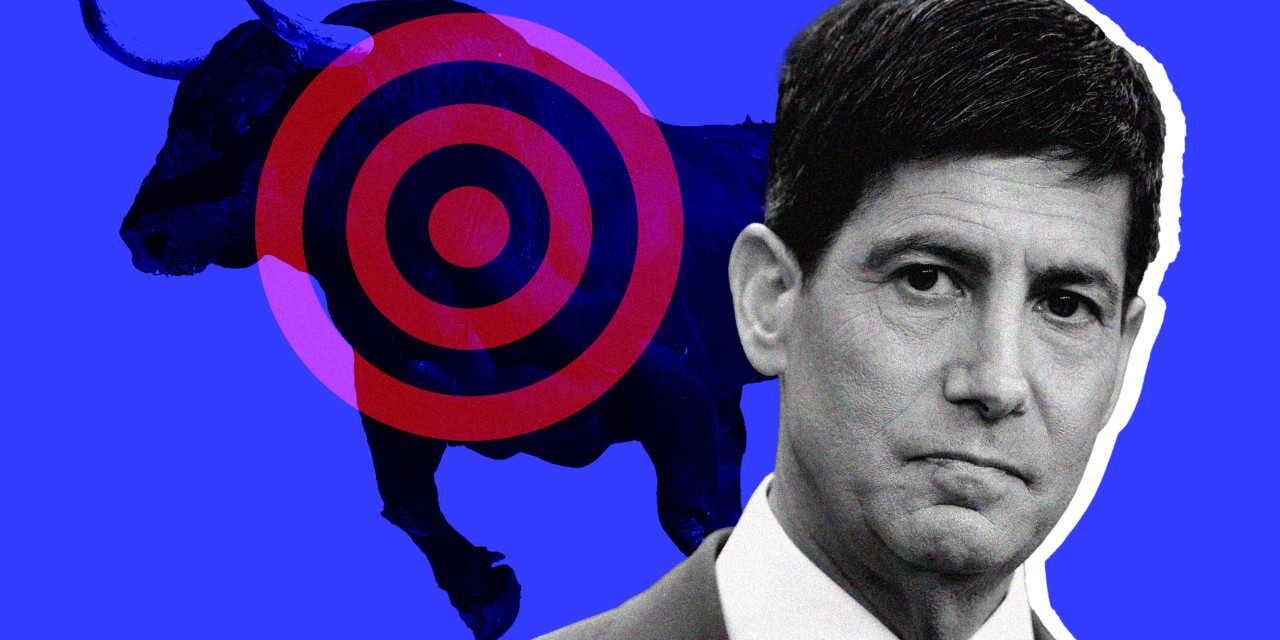
Trump-Selected Fed Chair May Rely on Rate Hikes to Tame Inflation
Kevin Warsh, a former Federal Reserve governor, has described a potential shift in the central bank’s approach, suggesting markets could play a larger role in shaping monetary policy, according to a report. Warsh, who has advocated for reduced central bank intervention, said the “threat of rate hikes” might be sufficient to combat inflation without excessive guidance from the Fed. His remarks come as investors assess how policy decisions could influence market stability.
Warsh’s comments highlight a possible reorientation of the Fed’s role, where market dynamics take precedence over traditional policy signals. This approach could lead to greater market volatility if the central bank provides less direction, though some analysts note that Wall Street appears to be adapting to the idea. The Federal Reserve has not publicly addressed Warsh’s remarks.
Why It Matters
The shift in perspective reflects ongoing debates about the Fed’s influence on financial markets. Historically, rate-hike cycles have been used to curb inflation, but the effectiveness of such measures depends on market responses. Warsh’s emphasis on market autonomy raises questions about how policymakers balance control with responsiveness to economic signals.
Investors are closely watching how the Fed’s evolving strategy might affect asset prices. While the threat of higher rates could pressure inflation, the lack of clear guidance might create uncertainty. Past rate-hike cycles, such as those in the 1980s and 2000s, provide a framework for understanding potential outcomes, though current economic conditions differ significantly.
What May Happen Next
If the Fed adopts a more hands-off approach, markets could react unpredictably, with increased volatility tied to investor expectations. However, some analysts suggest that consistent communication from the central bank might mitigate risks. The outcome could depend on how effectively policymakers align their actions with market trends.
Historical data shows that rate hikes often coincide with market adjustments, but the current context includes unique challenges like global supply chain disruptions and evolving monetary policies. Any shift in the Fed’s strategy would likely be gradual, with outcomes influenced by both domestic and international economic indicators.

Frequently Asked Questions
What is Kevin Warsh’s role in the Federal Reserve?
Kevin Warsh is a former Federal Reserve governor who has advocated for reduced central bank intervention in financial markets.
How might the Fed’s approach affect inflation?
Warsh’s comments suggest that the threat of rate hikes could help control inflation without excessive policy guidance, though the effectiveness remains uncertain.
What historical context is relevant to this discussion?
Past rate-hike cycles, such as those in the 1980s, provide a framework for understanding how monetary policy impacts inflation and market stability.
What is the potential impact of reduced Fed guidance?
Less guidance from the Federal Reserve could lead to increased market volatility, as investors react to evolving economic conditions without clear policy signals.
What question would you like to explore about the Fed’s evolving role?