
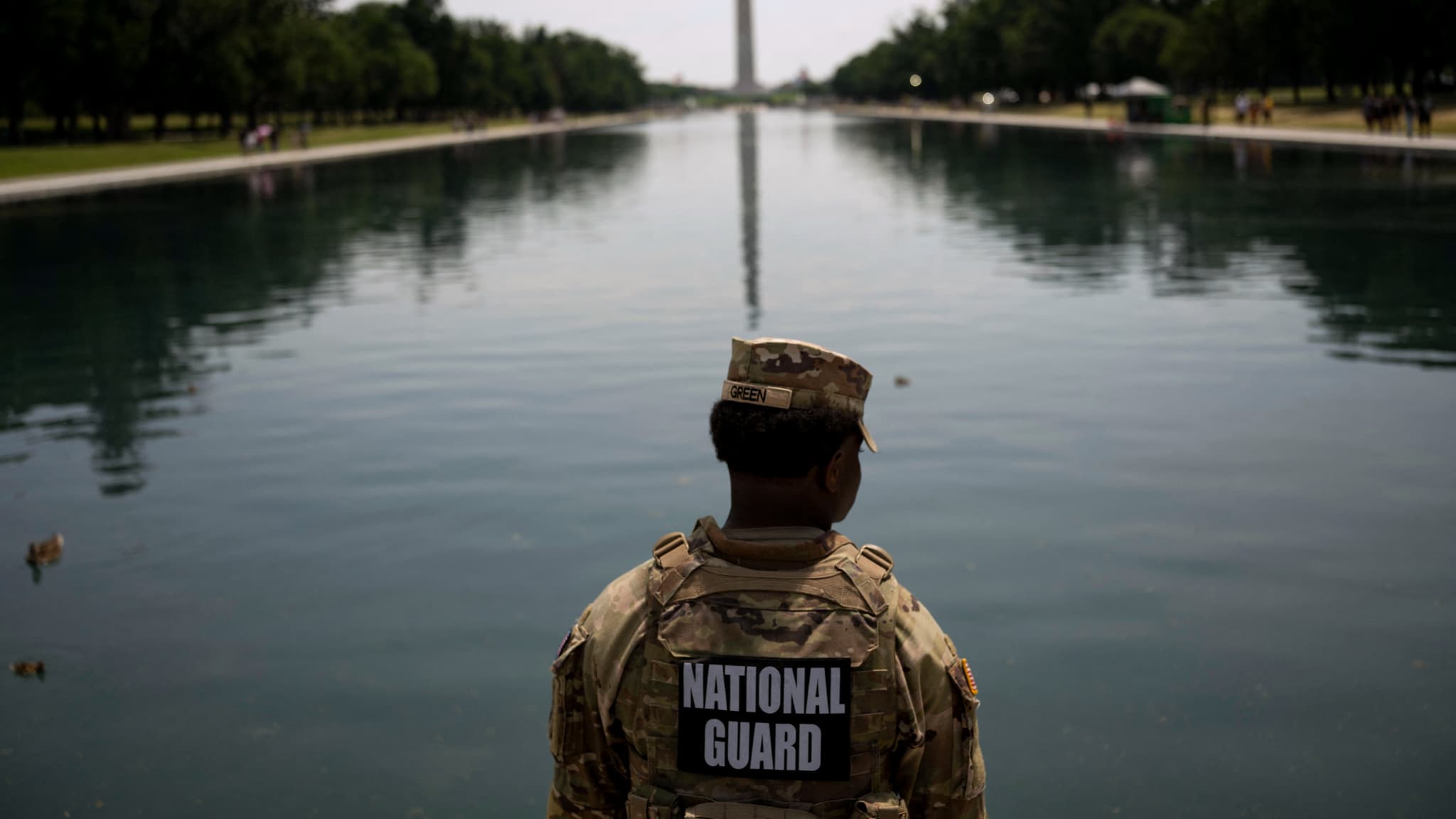
Trump Threatens 10 Years in Prison Over Vandalism of Controversial Lincoln Memorial Reflecting Pool
United States authorities have initiated multiple arrests and issued citations for vandalism at the Lincoln Memorial’s reflecting pool following a series of failed renovation projects. According to the U.S. Park Police, at least five individuals were arrested and five others received citations for damaging the site, which has recently suffered from algae blooms and peeling paint. President Donald Trump has publicly threatened that those who attempt to destroy or vandalize these federal renovations face up to ten years in prison.
Why are the Lincoln Memorial renovations struggling?
The reflecting pool’s ongoing maintenance issues stem from a combination of environmental factors and structural failures. According to reports from the site, the project has been marred by a persistent green discoloration of the water, an infestation of algae, and the rapid deterioration of a newly applied blue sealant that has begun to peel away. The National Park Service has not yet released a definitive technical report on the cause of the paint failure, though President Trump has attributed the damage to intentional sabotage, citing alleged incidents of individuals cutting the basin’s lining or introducing fertilizer into the water.
What are the legal consequences for site vandalism?
Federal law provides strict penalties for the destruction of government property. President Trump stated on his Truth Social platform that the “destruction or even the attempt to destroy” these renovated assets is punishable by up to ten years in prison. While the President has vowed that these penalties will be “totally applied,” legal experts note that sentencing is ultimately determined by federal judges based on the severity of the damage and prior criminal records. The U.S. Park Police confirmed that law enforcement has increased patrols around the memorial to deter further interference with the ongoing repair work.
How do renovation costs impact public perception?
The Lincoln Memorial project is part of a broader series of renovations across Washington, D.C., and the White House initiated under the current administration. Public debate has intensified regarding the financial transparency of these projects. Critics often point to the high costs and the opaque nature of contractor selection as evidence of mismanagement. In contrast, supporters of the administration argue that these upgrades are necessary to preserve national monuments for the 250th anniversary of the United States. This divide has turned the reflecting pool’s maintenance into a focal point for political criticism, with opponents frequently using the decaying state of the pool as a metaphor for the administration’s broader policy efforts.
Pro Tip: Tracking Federal Projects
To monitor the progress of federal infrastructure projects, you can review the National Park Service official website. They provide periodic updates on maintenance schedules and the allocation of funds for capital improvements at national monuments.

Frequently Asked Questions
- Is the Lincoln Memorial currently closed to the public?
No, the site remains open, though specific sections of the reflecting pool may be cordoned off periodically for drainage and repair work. - Who is responsible for the maintenance of the reflecting pool?
The National Park Service, a bureau of the U.S. Department of the Interior, is responsible for the upkeep and management of the Lincoln Memorial and its surrounding grounds. - Are the penalties for vandalism at national monuments always ten years?
The ten-year figure cited by the President refers to the maximum statutory penalty for specific federal property damage offenses; actual sentences vary significantly based on individual case facts.
Have you visited the Lincoln Memorial recently? Share your thoughts on the state of the monument in the comments section below, or subscribe to our weekly newsletter for more updates on Washington, D.C. infrastructure news.