

Trump Welcomes Zelensky-Putin Meeting to End Ukraine War
The New Era of High-Stakes Diplomacy: Moving from Trenches to Tables
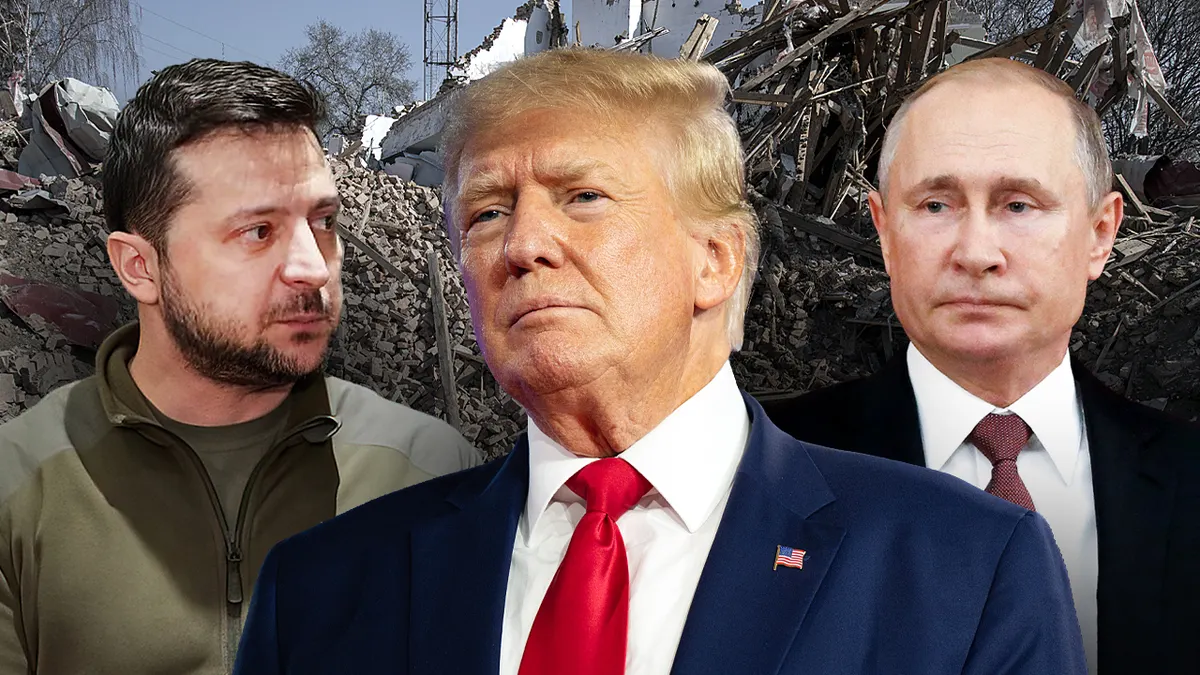
For years, the conflict between Russia and Ukraine has been defined by attrition, artillery, and a rigid refusal to bend. However, the recent shift toward direct dialogue—highlighted by President Volodymyr Zelensky’s open letter to Vladimir Putin and the supportive stance of U.S. President Donald Trump—signals a pivotal transition in global geopolitics.
We are witnessing a move away from purely military solutions toward a “diplomacy-first” framework. This transition suggests that both combatants, and their primary backers, may have reached a point of diminishing returns on the battlefield, making a negotiated settlement not just desirable, but inevitable.
The ‘Deal-Maker’ Approach: Can Transactional Diplomacy Work?
The involvement of Donald Trump introduces a specific brand of “transactional diplomacy” to the Russia-Ukraine crisis. Unlike the traditional, slow-moving bureaucratic processes of the State Department or the EU, this approach prioritizes rapid, high-level summits and direct “deals” between leaders.
Trump’s insistence on “compromise” as the key to peace suggests a shift toward a pragmatic, albeit controversial, resolution. In this model, the focus shifts from absolute moral or legal victories (such as the full restoration of 1991 borders) to a functional peace that stops the bleeding.
The Compromise Dilemma: Territory vs. Sovereignty
The biggest hurdle in any future trend regarding these talks is the definition of “compromise.” For Ukraine, sovereignty is non-negotiable; for Russia, territorial gains are the primary objective. Future trends suggest that any viable agreement will likely involve complex “grey zone” arrangements—perhaps long-term leases, demilitarized zones, or international mandates—rather than a simple redrawing of maps.
From Ceasefire to Lasting Peace: The Risks of ‘Frozen Conflicts’
Zelensky’s proposal for a “full ceasefire” during negotiations is a critical tactical move. However, history warns us that ceasefires can often lead to “frozen conflicts”—situations where active fighting stops, but no political resolution is reached, leaving the region in a state of perpetual instability.
A prime example is the Korean Armistice of 1953. While it successfully stopped the mass casualties of the Korean War, a formal peace treaty was never signed. The result is a heavily fortified border that remains one of the most dangerous flashpoints in the world today.
To avoid a “Korean Scenario,” future peace trends will likely require more than just a stop in firing. They will need:
- Security Guarantees: Legally binding assurances for Ukraine to prevent future incursions.
- Economic Integration: A roadmap for reconstruction funded by international consortiums.
- Third-Party Monitoring: Neutral observers to ensure the ceasefire holds.
The Geopolitical Ripple Effect: NATO and the Global Order
Any resolution between Putin and Zelensky will fundamentally reshape the North Atlantic Treaty Organization (NATO) and the broader European security architecture. If a deal is reached via U.S. Mediation, it reinforces the United States as the primary arbiter of global security, potentially sidelining the European Union’s independent diplomatic efforts.
the precedent set here will influence other global flashpoints. A successful negotiated settlement could provide a blueprint for resolving other territorial disputes, emphasizing that high-level personal diplomacy can override years of institutional deadlock.
Frequently Asked Questions (FAQ)
What is the difference between a ceasefire and a peace treaty?
A ceasefire is a temporary agreement to stop fighting, often to allow for negotiations or humanitarian aid. A peace treaty is a formal, legally binding agreement that permanently ends a state of war and resolves the underlying disputes.
Why is ‘compromise’ so difficult in this conflict?
Because the conflict involves fundamental issues of national identity, territorial integrity, and international law. Giving up land is often seen as a betrayal of national sovereignty, while failing to secure gains is seen as a strategic defeat.
What role does the U.S. Play in these negotiations?
The U.S. Acts as both a primary supplier of military aid to Ukraine and a diplomatic mediator. This dual role gives the U.S. President significant leverage to push both sides toward the negotiating table.
Join the Conversation
Do you believe a compromise is the only way to end the war, or should sovereignty be defended at all costs? Share your thoughts in the comments below or subscribe to our newsletter for deep-dive geopolitical analysis.