

Tsunami varsel utsendt etter jordskjelv i Venezuela
A 7.1-magnitude earthquake struck near Caracas, Venezuela, prompting tsunami warnings across the Caribbean before the threat subsided, according to U.S. Geological Survey (USGS) data. The quake, which occurred at 18:05 local time on Wednesday, was felt in neighboring Colombia and triggered evacuations in the Venezuelan capital, where buildings sustained damage. Authorities lifted tsunami alerts by 01:19 on Thursday, following initial warnings for Puerto Rico, the U.S. Virgin Islands, and Caribbean nations like Aruba, Curaçao, and Bonaire.
What happened?
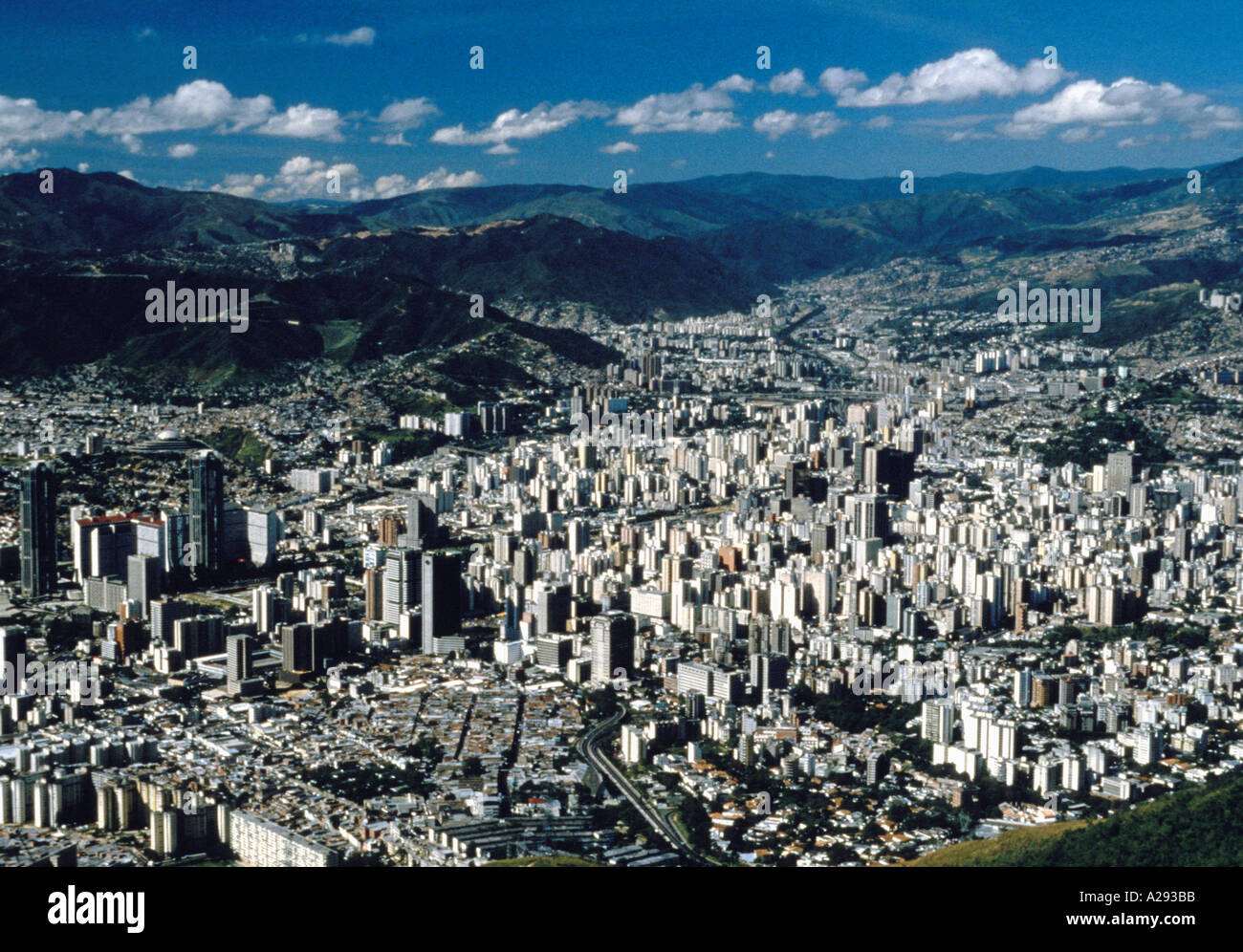
The earthquake, measured at 7.1 on the Richter scale, occurred 13 kilometers beneath the surface in Carabobo, a coastal region north of Caracas. Residents in the capital reported cracks in buildings and power outages, with one witness describing “gruesome” conditions. The U.S. Geological Survey (USGS) confirmed the magnitude and location, noting the quake’s proximity to densely populated areas. Tsunami warnings were issued for Caribbean islands within 300 kilometers of the epicenter, though no significant wave activity was recorded.
Why it matters
The event highlights the vulnerability of Caribbean nations to seismic activity, given the region’s proximity to tectonic plate boundaries. Venezuela’s capital, Caracas, is situated near the boundary of the South American and Caribbean plates, a zone prone to frequent earthquakes. The rapid response by U.S. and regional authorities to issue tsunami alerts underscores the importance of early warning systems in mitigating risks. However, the disruption to infrastructure, including power and internet outages, raises concerns about the resilience of critical services in disaster scenarios.
What may happen next?
While the immediate threat has passed, officials may reassess seismic preparedness measures in the region. The USGS and local governments could prioritize infrastructure inspections to address potential damage from the quake. Continued monitoring of fault lines in the area may also be warranted, given the historical frequency of seismic events in Venezuela and its neighbors. Analysts suggest that the incident could prompt discussions on enhancing cross-border disaster response coordination.

Frequently Asked Questions
What was the magnitude of the earthquake?
A 7.1-magnitude earthquake was recorded by the U.S. Geological Survey (USGS).
Which areas were affected by the tsunami warning?
Tsunami warnings were issued for Puerto Rico, the U.S. Virgin Islands, and Caribbean nations including Aruba, Curaçao, and Bonaire.
How long did the tsunami threat last?
The warning was lifted by 01:19 on Thursday, approximately 15 hours after the earthquake occurred.
What is the significance of the earthquake’s depth?
The quake occurred 13 kilometers below the surface, which is relatively shallow and often results in more intense shaking at the surface.
What caused the power outages?
Several residents reported losing electricity and internet access immediately after the earthquake, though no specific cause was cited in the source material.
How does this event compare to previous earthquakes in the region?
The source material does not provide direct comparisons to past events, but the location in Carabobo, Venezuela, is known for seismic activity.
What role did the U.S. Geological Survey play?
The USGS confirmed the earthquake’s magnitude, location, and depth, providing critical data for emergency response efforts.
Could this earthquake trigger further seismic activity?
The source material does not mention this possibility, and no follow-up events were reported.
What steps were taken to ensure public safety?
Authorities issued tsunami warnings, and residents in Caracas evacuated buildings. No casualties were reported in the source material.
How are Caribbean nations preparing for such events?
The source material does not provide details on specific preparations, but the rapid response to the warning suggests existing protocols are in place.
What is the next step for affected communities?
The source material does not specify, but inspections of damaged infrastructure and continued monitoring of seismic activity are likely priorities.
Could this event impact regional economies?
The source material does not address economic implications, but disruptions to infrastructure and tourism could pose challenges.
How do early warning systems function in this region?
The source material does not explain the systems, but the issuance of tsunami alerts indicates coordination between U.S. and Caribbean authorities.
What is the historical frequency of earthquakes in Venezuela?
The source material does not provide historical data, but the region is situated near active tectonic boundaries.
How are local governments responding to the incident?
The source material does not detail specific government actions beyond issuing warnings and lifting them.
What is the role of international agencies in disaster response?
The source material does not mention international involvement, focusing instead on local and U.S.-based authorities.
Was there any damage reported beyond Caracas?
The source material mentions damage in Caracas but does not specify conditions in other areas.
How are residents coping with the aftermath?
Residents gathered in the streets of Caracas, with one witness describing the experience as “gruesome.” No further details on long-term impacts are provided.
What is the likelihood of similar events in the future?
The source material does not assess future risks, but the region’s tectonic activity suggests such events could occur again.
How are businesses in the region affected?
The source material does not address economic impacts, but disruptions to power and internet could affect operations.
Could the timing of this earthquake influence regional disaster preparedness policies?