
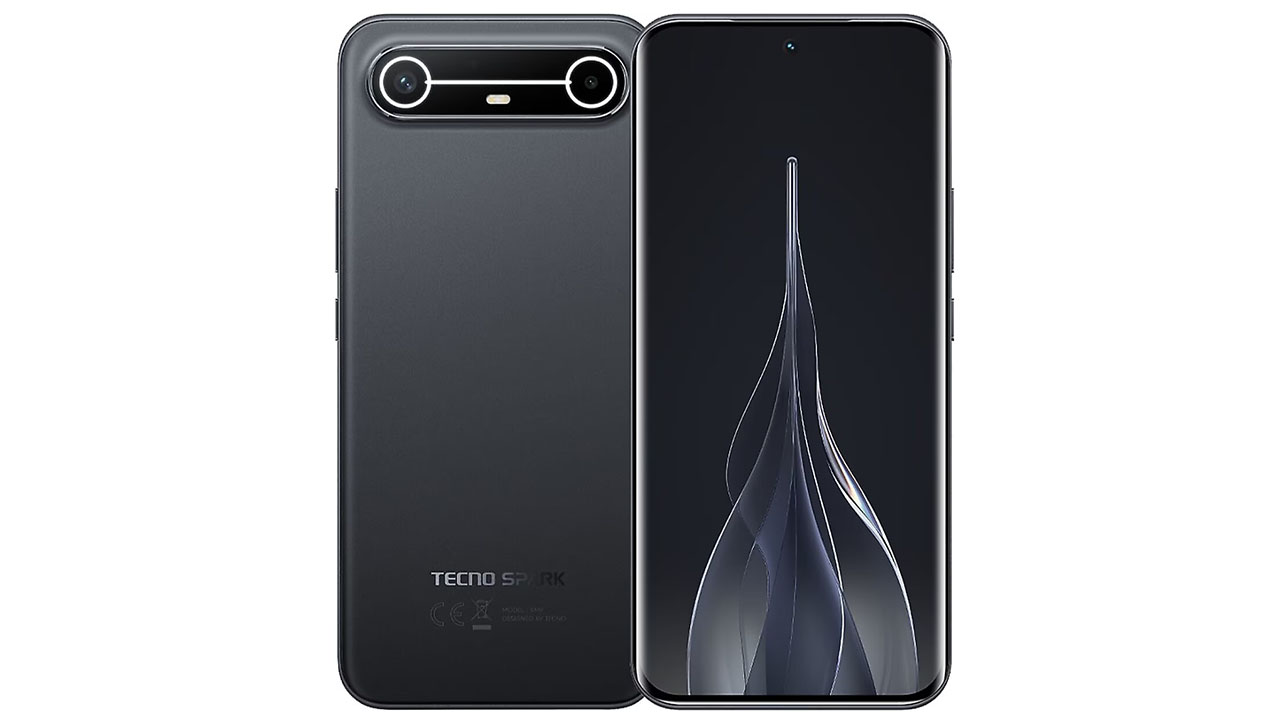
TECNO Spark Slim 5G: World’s Thinnest Curved 5G Phone
The Race to Zero: How Ultra-Thin Design is Redefining the Modern Smartphone
For years, the smartphone industry followed a predictable path: screens got larger, and devices became thicker to accommodate massive batteries and complex camera sensors. However, we are witnessing a pivotal shift. The emergence of devices like the TECNO Spark Slim 5G, which pushes the boundaries of thickness down to 5.95mm, signals a return to the “minimalist” era—but this time, with powerhouse internals.
This isn’t just about aesthetics. The drive toward ultra-thin hardware is forcing a revolution in material science and internal architecture. We are moving away from simply “shrinking” components and toward a complete reimagining of how a phone is built from the inside out.
The Battery Paradox: High Capacity in Tiny Spaces
The biggest hurdle for any slim device is the battery. Historically, thinner phones meant shorter battery life. However, the trend is shifting toward high-density battery chemistry. We are seeing a transition from standard Lithium-ion to Silicon-carbon anodes, which allow for more energy storage in a significantly smaller volume.

Industry data suggests that energy density is increasing by roughly 5-10% annually. This allows manufacturers to fit 5,000mAh+ batteries into frames that were previously reserved for 3,000mAh cells. The goal is to eliminate the “battery anxiety” that plagued the first generation of slim phones.
The Rise of Intelligent Charging
To complement smaller physical footprints, we are seeing a surge in Bypass Charging and AI-driven power management. Bypass charging allows power to go directly to the processor rather than the battery during heavy tasks (like gaming), reducing heat and extending the overall lifespan of the battery cell.
Ambient Computing: Beyond the Screen
As screens become the primary way we consume content, hardware is finding new ways to communicate with us without requiring us to wake the display. The “Mood Light” concept—using integrated LEDs to signal notifications, charging status, or calls—is a step toward Ambient Computing.

In the future, we can expect hardware to become more “emotional.” Imagine a phone that changes its glow based on the urgency of a notification or the mood of the music playing. This reduces screen time and digital fatigue while keeping the user connected to their device in a subtle, non-intrusive way.
Solving the Heat Equation in Slim Chassis
Physics dictates that thinner devices have less surface area to dissipate heat. This often leads to thermal throttling, where the CPU slows down to prevent melting. To combat this, the industry is moving toward advanced thermal materials.
- Ultra-thin Vapor Chambers: Using 0.3mm copper sheets to move heat away from the SoC (System on Chip) rapidly.
- Graphite Heat Spreaders: High-conductivity layers that distribute heat evenly across the back panel.
- Efficient Chipsets: The shift toward 4nm and 3nm process nodes (like those found in modern MediaTek and Snapdragon chips) means less power is wasted as heat.
For a deeper dive into how processors are evolving, check out our guide on the evolution of 5G chipsets or visit GSMArena for the latest hardware benchmarks.
FAQs: The Future of Slim Smartphones
Q: Does a thinner phone mean a worse camera?
A: Not necessarily. While thick sensors are harder to fit, manufacturers are using “periscope” lenses and software-based computational photography to maintain high image quality without adding bulk.
Q: Will ultra-thin phones be more fragile?
A: Yes, potentially. To counter this, companies are using aerospace-grade aluminum and reinforced glass (like Gorilla Glass Victus) to ensure structural integrity despite the slim profile.
Q: How does 5G affect the thickness of a phone?
A: 5G requires more antennas and generates more heat. This is why “honeycomb stacking” and advanced cooling are essential for 5G devices to remain slim.
What do you value more in a smartphone: a massive battery or a sleek, ultra-thin design? Let us know in the comments below! If you enjoyed this analysis, subscribe to our newsletter for more insights into the future of mobile tech.