
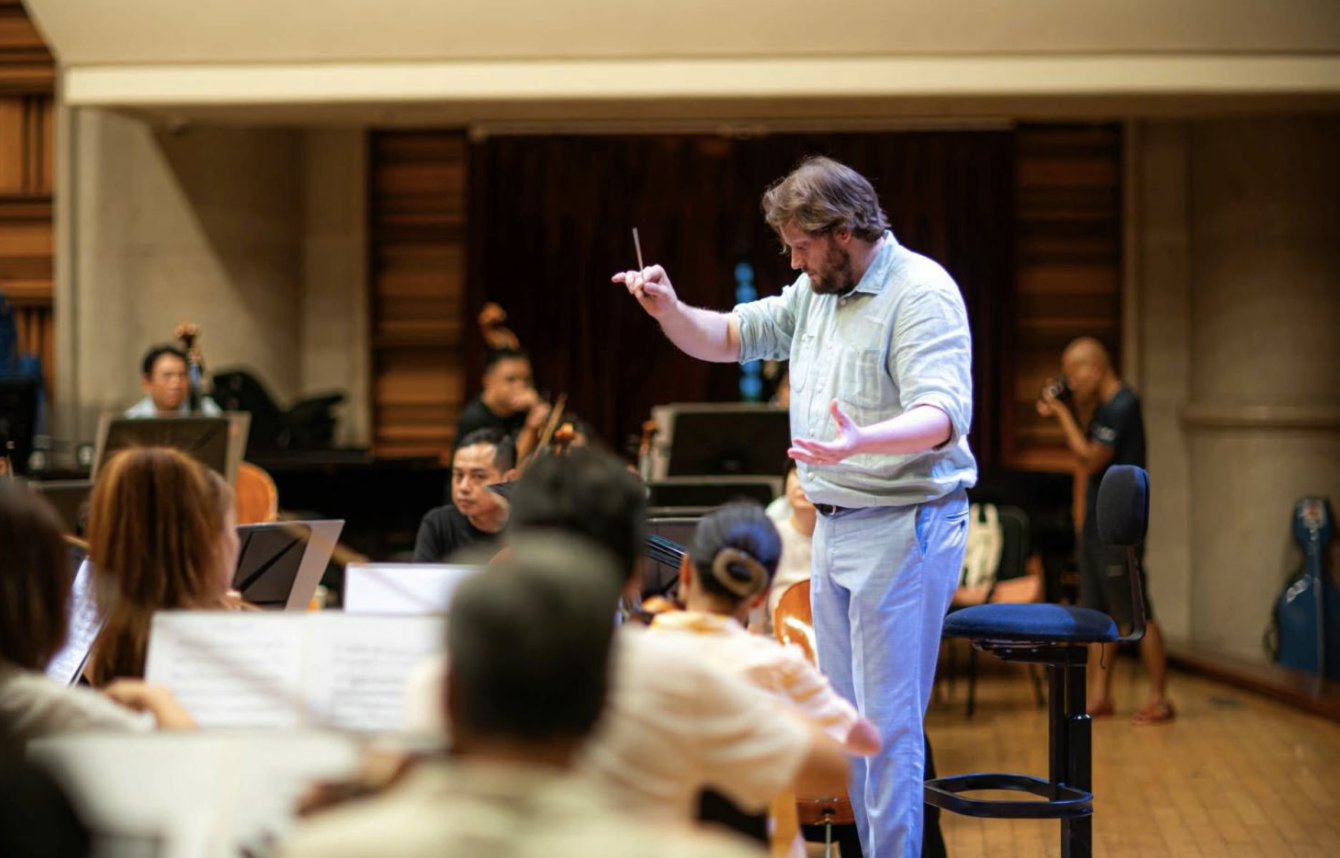
Turandot Concert 2026: A Bridge Between Vietnamese & European Opera Masterpieces
On May 27, Hanoi will host a landmark concert under the international arts initiative The Four Turandot (T4T), a collaborative project uniting Europe’s most prestigious music conservatories—including Milan’s Giuseppe Verdi Conservatory, Florence Conservatory, Modena and Reggio Emilia Conservatory, Turin Conservatory, and Milan University—with global institutions like Shanghai Conservatory and Kyung Hee University. The event marks the first time Vietnam has become a hub for this EU-backed program, which explores the unfinished masterpiece Turandot by Giacomo Puccini, a work left incomplete at his death in 1924.
What Happened: A Global Opera Fusion in Vietnam
The concert, scheduled for 8:00 PM, blends Puccini’s iconic opera with works by Verdi, Tchaikovsky, Grieg, and Rachmaninoff, creating a rare artistic bridge between operatic drama, piano concertos, and 20th-century symphonic music. Highlights include the world premiere of Richard Addinsell’s Warsaw Concerto in a quadruple-piano and orchestra arrangement—a technical feat requiring four pianists and the Vietnam National Symphony Orchestra.
Among the performers are Italian conductor Matteo Parmegiani, Giuseppe Modugno, president of Modena’s Bekki-Tonelli Conservatory, and Russian-Italian pianist Vsevolod Dvorkin. Vietnam’s finest opera singers—soprano Dao Tho Loan and Nguyen Cach Hoa, a leading figure in the T4T project—will join renowned pianists Nguyen Huy Phuong, Nguyen Mi Dong, and rising stars Nguyen Duc Kien and Dao Trong Nguyen Huy.
Why It Matters: A Cultural and Educational Milestone
The T4T project is more than a concert; it’s a scholarly endeavor to reinterpret Turandot’s unresolved ending, expanding academic and artistic perspectives on one of opera’s greatest works. For Vietnam, this collaboration could redefine its role in classical music, offering students direct access to masterclasses with Italian experts—a first for the country’s piano and vocal programs.
Nguyen Huy Phuong, a former dean of Vietnam National Music University, emphasized the project’s transformative potential: “Two exceptional students selected for this performance are proof of how such initiatives inspire young artists. Performing alongside orchestras and global stars is a career-defining experience.” The event also aligns with Vietnam’s growing reputation for classical music education, as noted by Giuseppe Modugno: “Vietnam’s rapid progress in training young talents has impressed us. Their ambition to engage with the international stage is clear.”
The concert’s significance extends beyond the stage. By integrating opera, symphonic, and contemporary performance arts, the program demonstrates how classical music can evolve while preserving its emotional depth. The European Union’s NextGenerationEU funding underscores its ambition to foster cross-cultural dialogue through the arts.
What May Happen Next: A Possible Scenario
The success of this concert could pave the way for Vietnam to host future T4T events, potentially expanding the project’s focus to include local composers or reinterpretations of Turandot’s ending by Vietnamese artists. Analysts expect the performance to strengthen ties between Vietnamese conservatories and European institutions, leading to more student exchanges, joint research projects, or even a permanent residency program for international artists in Hanoi.

For Vietnamese musicians, this event may catalyze greater international visibility. The two student performers selected for the concert could become ambassadors for Vietnam’s classical scene, while the broader participation of local artists in a globally recognized project might encourage younger generations to pursue careers in opera and symphonic music.
Longer-term, the concert could influence Vietnam’s cultural policy, prompting investments in classical music infrastructure or partnerships with other EU-funded arts programs. The project’s emphasis on unfinished works—like Turandot—also suggests a broader trend: classical music’s future may lie in collaborative reinterpretations that blend tradition with innovation.
Frequently Asked Questions
[Question 1] What is the significance of Turandot in this concert? The Four Turandot (T4T) project centers on Giacomo Puccini’s unfinished opera, exploring its unresolved ending through scholarly and artistic lenses. The concert includes excerpts from Turandot alongside works by Verdi, Tchaikovsky, and others, creating a dialogue between operatic legacy and modern performance. [Question 2] Who are the key Vietnamese artists performing? The lineup includes soprano Dao Tho Loan, a leading Vietnamese opera artist; Nguyen Cach Hoa, a prominent figure in the T4T project; and pianists Nguyen Huy Phuong (former dean of Vietnam National Music University), Nguyen Mi Dong, and young talents Nguyen Duc Kien and Dao Trong Nguyen Huy. [Question 3] How does this project benefit Vietnamese music education? The collaboration offers Vietnamese students direct access to masterclasses with Italian experts, exposure to international performance standards, and opportunities to perform alongside global artists—experiences that could accelerate their professional growth and integrate Vietnam deeper into the world of classical music.
As Vietnam prepares to welcome this rare fusion of opera, orchestra, and piano virtuosity, one question lingers: How might this concert redefine what’s possible for classical music in a country where tradition and innovation are increasingly intertwined?