

Twerenbold: Navigating Global Crises and the Evolution of River Cruises
The travel industry is currently navigating a complex landscape defined by shifting geopolitical tensions and evolving consumer habits. For long-standing family firms like the Twerenbold group, which has operated since 1895, these challenges are managed through a combination of conservative financial planning and a strategic focus on evolving demographic needs.
Karim Twerenbold, representing the fourth generation of the Aargau-based company, notes that while global instability—such as the conflict in the Iran region—has caused some travelers to reconsider long-haul plans, the impact is nuanced. Rather than a simple surge in demand for European river cruises, the industry is seeing more cautious booking behavior due to both uncertainty and rising costs.
Adapting to a Changing Demographic
Success in the modern travel market requires moving beyond traditional stereotypes. Today’s travelers, particularly in the over-60 segment, are increasingly fit, digital-savvy and interested in specialized experiences rather than rigid, guided group tours. To meet this, the company has pivoted toward niche offerings, such as culinary-focused river cruises and active travel options like e-bike excursions, supported by a fleet of 400 bicycles and specialized guides.
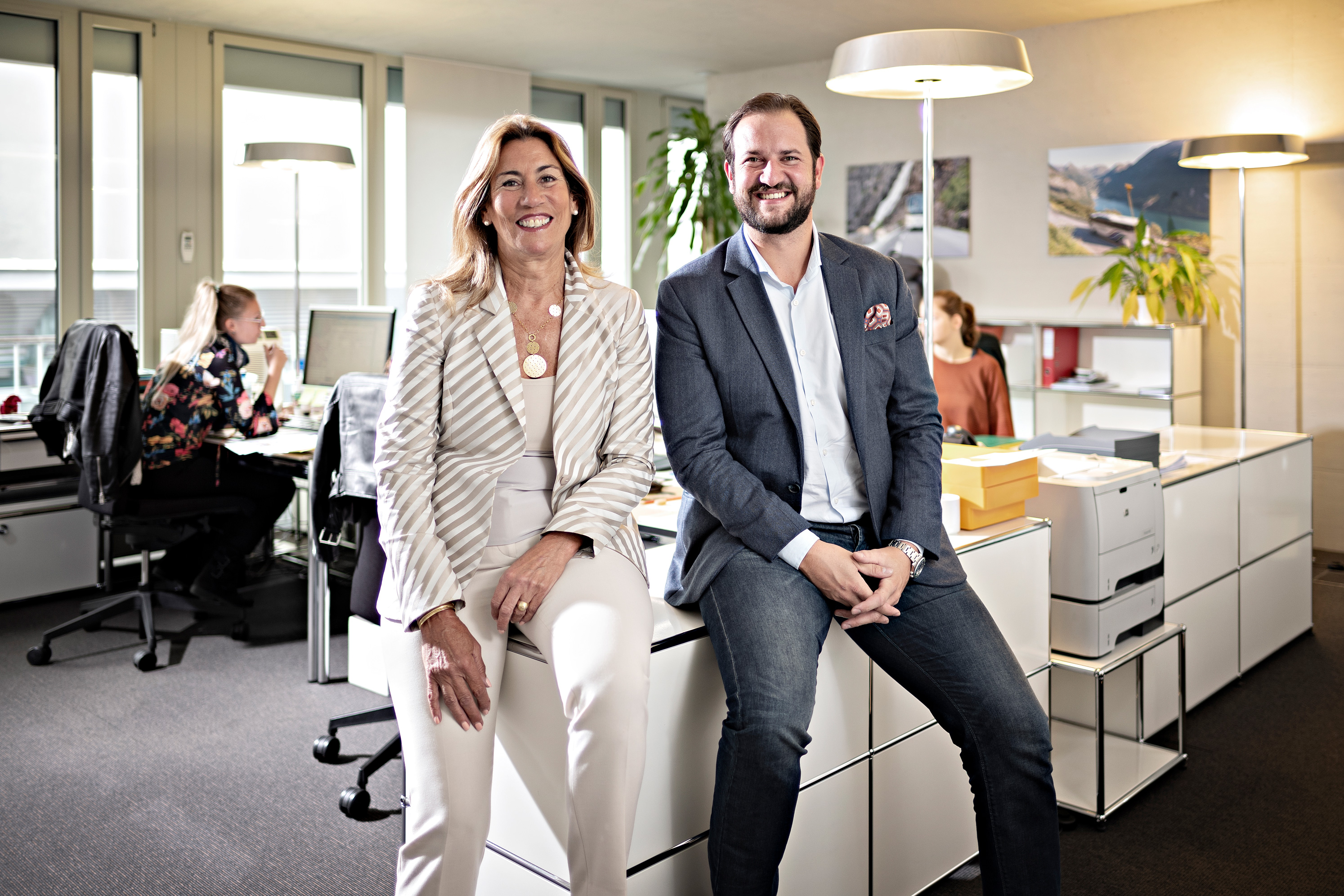
The firm maintains its stability by reinvesting earnings into its own infrastructure, including 85 buses and 10 ships. By controlling these assets, the group aims to maintain service quality and differentiate itself from larger, high-volume package holiday providers that have struggled with market volatility in recent years.
Looking Ahead
Future operations may be influenced by fuel price fluctuations, though the company has secured fixed costs for a portion of its fuel requirements through 2026 and 2027. While management does not currently anticipate fuel rationing, they remain prepared for potential supply chain shifts. Regarding long-term continuity, the goal is to transition the company into its fifth generation, though leadership emphasizes that successors must prove their capability through hands-on experience, just as previous generations have done.
Frequently Asked Questions
How does the company handle rising fuel costs?
The firm has proactively secured a significant portion of its fuel costs for 2026 and 2027 at attractive rates, which allows them to avoid imposing fuel surcharges on bus and river cruise passengers through the end of the year.
Is the company seeing a decline in business due to health concerns on ships?
Management believes that recent health-related headlines have minimal impact on their business. Industry data suggests that the vast majority of companies see little to no change in booking behavior as a result of such isolated incidents.
How is the company preparing for the next generation of leadership?
The current leadership emphasizes a long-term approach. Successors are expected to gain deep operational experience within the firm—such as managing logistics or accounting—before taking on management roles, ensuring they are prepared for the responsibilities of the business.
What factors do you prioritize most when choosing between a traditional group tour and an independent travel experience?