
Two chicks from species classified as extinct in the wild born at Smithsonian zoo’s conservation campus
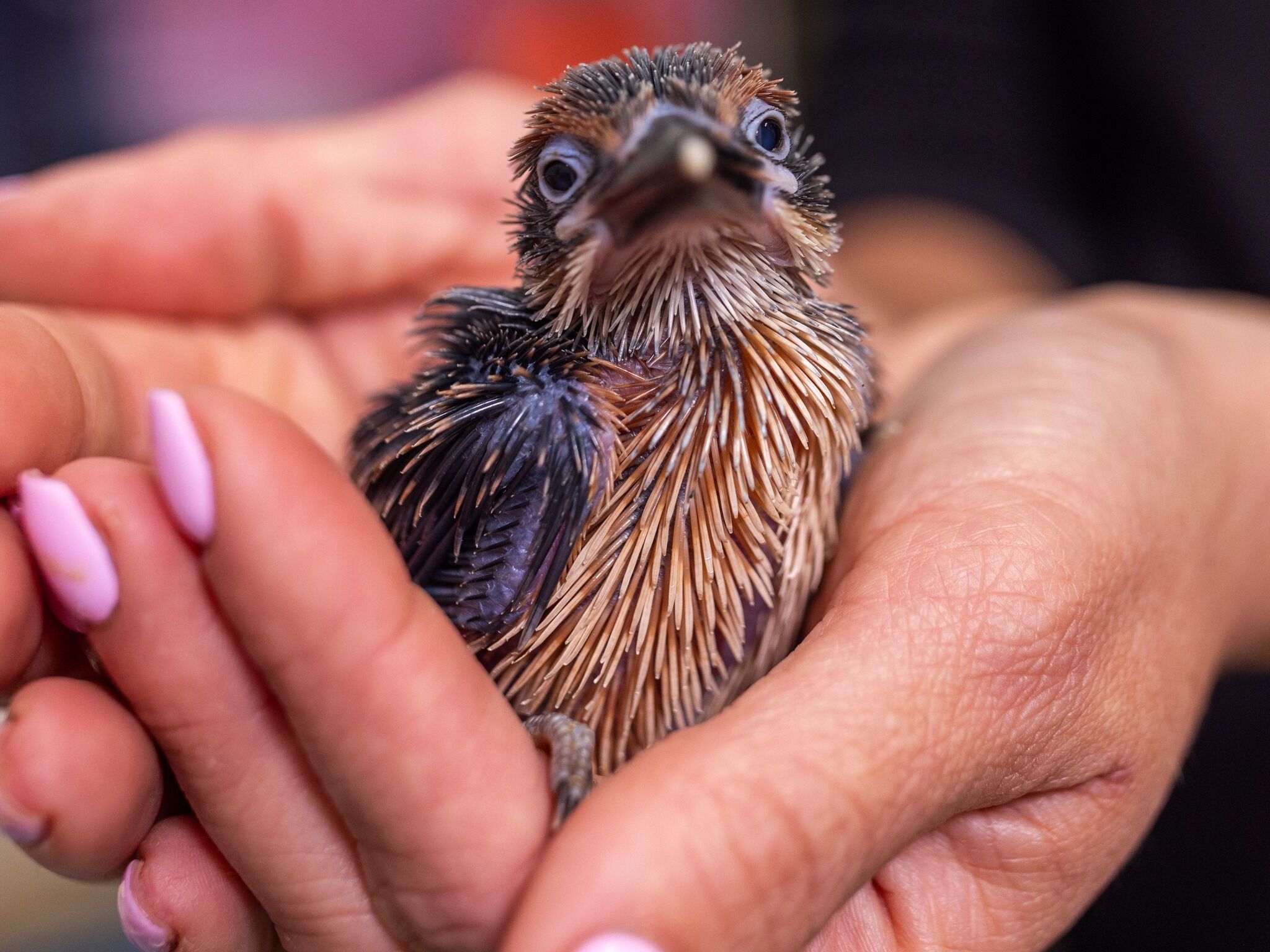
The Smithsonian National Zoo’s conservation campus in Front Royal, Virginia, has announced the hatching of two sihek chicks. Born in mid-April, the male and female chicks represent a critical addition to a species currently classified as extinct in the wild.
Genetic Diversity and Population Growth
The arrival of these two birds is a significant development for the global sihek population, which currently stands at just 125 individuals. The chicks were produced by parents Antonio, aged five and Poki, aged two.
According to keeper Erica Royer, these offspring are particularly precious because their parents are first-time breeders. Because Antonio and Poki’s genes are not well represented in the existing population, their offspring provide high value for the overall breeding population.
The Operational Framework of Recovery
The hatching is part of the Sihek Recovery programme. This initiative operates as a global collaborative of conservationists dedicated to the recovery of the species, which is native to Guam.
Physical characteristics of the adult birds include a length of approximately 9 inches and a weight comparable to that of a tennis ball. More information on the species can be found via the Smithsonian National Zoo.
Future Outlook and Implications
The success of this breeding pair could provide a blueprint for other first-time breeders within the programme. This may lead to a gradual increase in the total world population beyond the current 125 birds.
A possible next step for the Sihek Recovery programme could involve further collaborative efforts to stabilize the population. Such progress is likely to be essential if the species is ever to move beyond its current status of being extinct in the wild.
Frequently Asked Questions
What is the current total world population of the sihek?
The total world sihek population is currently just 125 birds.
Why are these specific chicks considered particularly valuable?
The chicks are valuable because their parents, Antonio and Poki, are first-time breeders whose genes are not well represented in the current population.
What led to the sihek being classified as extinct in the wild?
The species was wiped out by the invasive brown tree snake, leading the International Union for Conservation of Nature to classify them as extinct in the wild in the 1980s.
How do you think global collaborations impact the success of saving species extinct in the wild?