

Tyra Banks Sues Netflix for Defamation Over America’s Next Top Model Docuseries
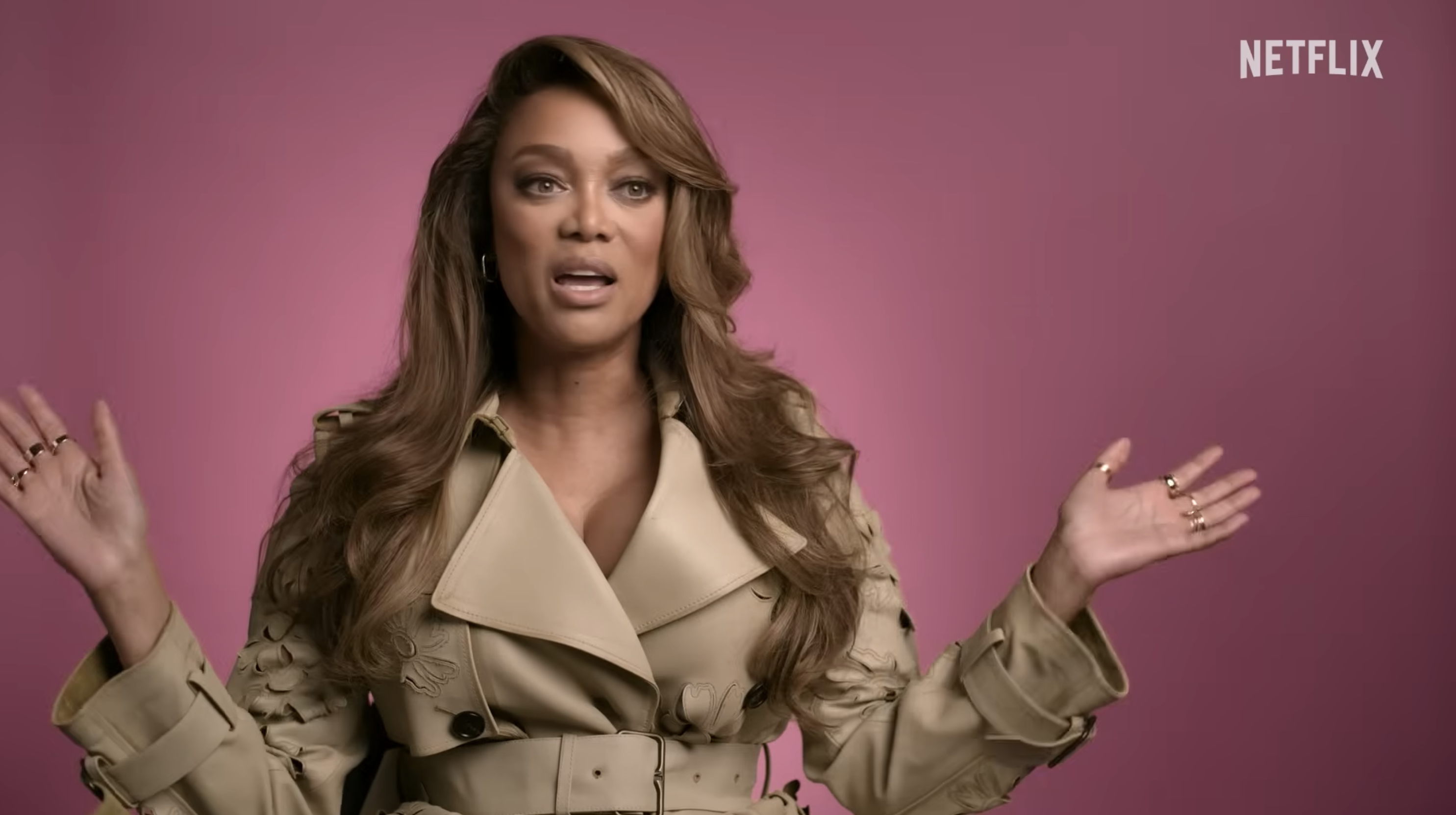
Tyra Banks has filed a lawsuit against Netflix, alleging that the streaming service defamed her through the selective editing of her interview in the docuseries Reality Check. Banks, the former host of America’s Next Top Model (ANTM), claims that filmmakers manipulated four hours of footage to construct a false narrative regarding her accountability for on-set conduct. The lawsuit, first obtained by People, seeks a jury trial to determine damages for the alleged misrepresentation.
Did You Know? Despite participating in a four-hour interview for the docuseries, only 16 minutes of Tyra Banks’ footage was utilized in the final production of Reality Check.
Why the lawsuit alleges defamation
According to the court filing, the producers of Reality Check used surgical editing to strip Banks’ comments of their original context. The lawsuit claims that the series portrays Banks as someone who knowingly ignored the sexual assault of a contestant and subsequently forgot the incident. The filing asserts that this depiction is a “complete fabrication” designed to support a negative narrative.
The lawsuit cites a specific instance involving an upward glance by Banks. The producers allegedly removed a segment where Banks nodded and stated, “I do remember her story,” to create the impression that she was unaware of the contestant’s experience. The document argues that this omission was a deliberate choice to mislead viewers about the host’s knowledge and accountability.
The context of the ANTM environment
The controversy stems from broader allegations featured in the docuseries regarding the production environment of America’s Next Top Model. Multiple models featured in the program describe a chaotic set where producers allegedly manipulated situations and disregarded industry standards for emotional and physical safety. These participants report experiencing trauma and professional setbacks following their time on the show.
Shandi Sullivan, a contestant from Season Two, provided an interview to Rolling Stone regarding her experience with a cheating scandal on the show, which she now characterizes as sexual assault. Sullivan stated that Banks has failed to take accountability for the conditions on the series, questioning the treatment of contestants as “cash cows.” Sullivan’s claims are a central component of the conflict described in the lawsuit.
Expert Insight: Samantha Carter notes that this litigation highlights the growing tension between documentary filmmakers and their subjects. When participants grant extensive access in hopes of providing a candid account, the final edit—if perceived as manipulative—can trigger significant legal challenges over narrative control and professional reputation.
What could happen next
As the case proceeds, a jury trial will likely focus on whether the editing process constitutes actionable defamation. If the legal process moves forward, both sides may be required to produce the full, unedited four-hour interview to compare the raw footage against the final broadcast. Netflix has not yet provided a public response to the allegations, and the outcome remains subject to the court’s determination of whether the producers’ editorial choices crossed the line into legal defamation.
Frequently Asked Questions
What is Tyra Banks’ primary claim against Netflix?
Banks claims that her interview in the docuseries Reality Check was edited to falsely portray her as someone who ignored and forgot about a contestant’s sexual assault on her show.
:max_bytes(150000):strip_icc():focal(741x295:743x297)/tyra-banks-reality-check-inside-americas-next-top-model-021726-0e62715c7307451eb5bb56d367313af2.jpg "Frequently Asked Questions")
How much of the interview footage was used in the docuseries?
The lawsuit states that Banks sat for a four-hour interview, but filmmakers used only 16 minutes of that footage in the final production.
What specific evidence does the lawsuit cite to support the defamation claim?
The filing alleges that producers cut a section of the interview where Banks nodded and explicitly stated, “I do remember her story,” to make it appear as though she were indifferent to the contestant’s experience.
Do you believe that documentary subjects should have the right to approve final edits regarding their own interviews?