

U.S. plans 10% additional tariffs on Canadian imports after forced-labour probe into 60 countries
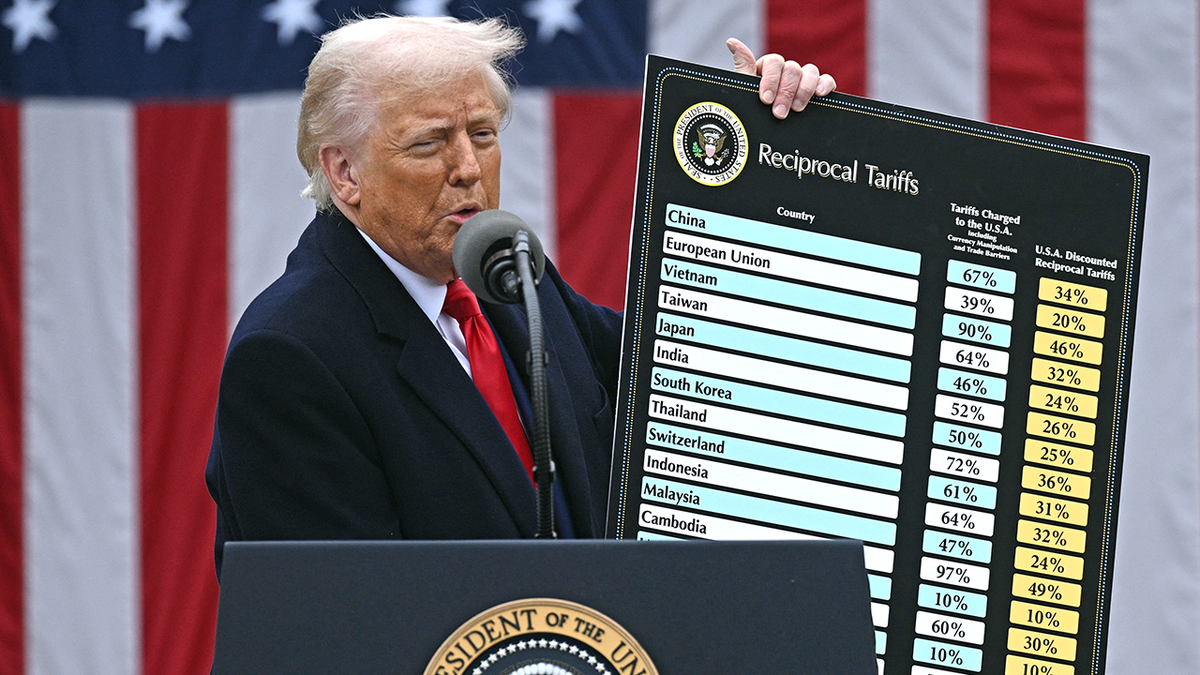
The global trade landscape is shifting beneath our feet. Following a February U.S. Supreme Court ruling that struck down previous emergency trade measures, the Trump administration has launched a aggressive new strategy. By utilizing Section 301 of the Trade Act, Washington is now targeting 60 economies with proposed tariffs of 10% to 12.5%, citing failures to adequately curb forced labour in supply chains.
The New Tariff Map: Who Is Affected?
The U.S. Trade Representative’s (USTR) office has split its targets into two tiers. A 10% duty is proposed for nations with partial forced labour bans, including major partners like Canada, Mexico, the European Union, the United Kingdom, and Taiwan.
A steeper 12.5% tariff is aimed at 45 other nations, including China, India, Japan, South Korea, Nigeria, and Australia. These moves represent a significant pivot in how the U.S. Intends to enforce labour standards, moving from diplomatic pressure to direct economic penalties.
Why Europe and Others Are Pushing Back
The backlash from trading partners was swift. European officials have labeled the findings “absurd,” pointing to the EU’s own 2024 legislation designed to ban the import of goods produced via forced labour. Many critics argue that these tariffs are less about humanitarian concerns and more about finding a legal pretext for protectionist trade policies.
Bernd Lange, chair of the European Parliament’s trade committee, noted that there is a growing perception that the U.S. Decides on a tariff first and hunts for a legal justification second. This skepticism complicates the future of transatlantic trade agreements and could lead to retaliatory measures.
Future Trends: A Protectionist Era?
As we look toward the future of international commerce, three key trends are emerging:
- The Rise of “Justification-Based” Trade: Expect more nations to use environmental, social, and governance (ESG) standards as leverage in trade negotiations.
- Supply Chain Near-Shoring: To avoid the volatility of Section 301 investigations, companies are increasingly moving production closer to home to insulate themselves from political friction.
- The Textile Mechanism: Keep an eye on the USTR’s proposed textile mechanism, which may offer reduced rates for specific apparel imports. This could create a “winners and losers” dynamic within the fashion and retail sectors.
Frequently Asked Questions
- Are these tariffs currently in effect?
- No. These are currently proposals. The USTR is accepting public comments through July 6, with a public hearing scheduled for July 7.
- What is Section 301?
- Section 301 of the Trade Act of 1974 is a tool the U.S. Uses to investigate and take action against countries that engage in “unjustifiable or unreasonable” trade practices.
- Which sectors are exempt?
- Exemptions currently include rare earths, energy, beef, coffee, specific produce, pharmaceuticals, and aircraft components.
What Should Businesses Do Now?
Uncertainty is the enemy of growth. While the final duty rates remain subject to change, the direction of U.S. Trade policy is clear. Organizations should diversify their supplier base and ensure they have robust documentation proving their goods are ethically sourced.
How do you think these tariffs will impact your industry? Are you seeing changes in your supply chain costs already? Share your thoughts in the comments below or subscribe to our weekly trade briefing to stay ahead of the latest developments.