
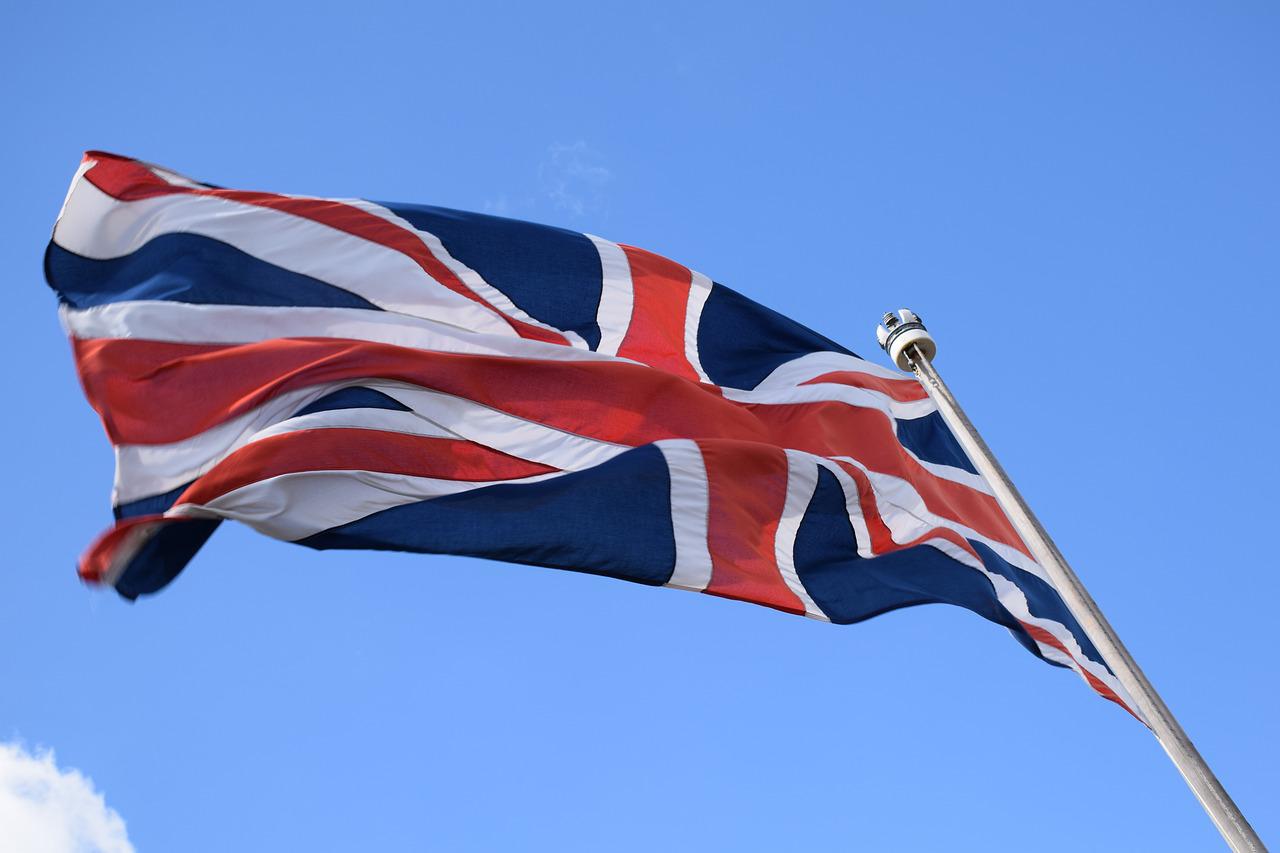
UK bans under-16s from using social media apps including TikTok and YouTube – Boston News, Weather, Sports
Britain will ban children under 16 from social media platforms including TikTok, Snapchat, and YouTube starting early next year, according to Prime Minister Keir Starmer. The policy mirrors Australia’s model, targeting tech companies with multimillion-dollar fines for non-compliance to protect minors from harmful content and excessive screen time.
How will the UK enforce social media bans for under-16s?
The UK government plans to hold tech companies accountable rather than penalizing children. According to Prime Minister Keir Starmer, platforms that fail to take “reasonable steps” to exclude users under 16 will face multimillion-dollar fines. The ban applies to X, Facebook, Instagram, TikTok, and Snapchat.
Certain services remain exempt. Starmer confirmed that messaging apps like WhatsApp and Signal, as well as YouTube Kids, will not be included in the restriction. The government is also targeting “infinite scrolling” and considering overnight curfews for users under 18 to limit screen time.
Will age verification tools actually work?
Critics argue that technical barriers make a blanket ban nearly impossible to maintain. Jon Crowcroft, a communications systems professor at the University of Cambridge, stated that policing individual devices is “impossible technically” and could drive children toward more dangerous, unmonitored sites.

Kate Edwards, head of education at the Molly Rose Foundation, noted that existing age verification tools have been “ineffective to date.” Edwards argues that a ban ignores the root cause: the algorithms that push harmful content to young users. Starmer countered these concerns by comparing the ban to alcohol laws, stating that while some teens drink illegally, the government does not abandon attempts to stop them from buying alcohol.
What happens to teens pushed into “unregulated spaces”?
Tech giants warn that strict bans create a security vacuum. A YouTube spokesperson stated that blanket restrictions push children away from “curated, supervised, beneficial experiences” and toward anonymous, less-safe services.
Meta, the parent company of Facebook and Instagram, echoed this warning. The company stated that bans risk isolating teenagers from online communities and information, potentially driving them to alternatives that lack any parental controls. Meta currently promotes its “teen accounts” as a way to automatically limit contact and content without a total ban.
How does the UK’s plan differ from other global restrictions?
The UK is joining a global trend toward age-based digital restrictions. Australia was the first to bar under-16s from social media accounts. Other nations, including Canada, Brazil, and Indonesia, have already introduced legislation or announced similar requirements.
Starmer claims the UK will go further than Australia. Beyond the account ban, the UK intends to block strangers from contacting children on livestreaming and gaming platforms. This represents a shift from simple age-gating to a broader restriction of interactive digital environments.
| Country | Approach | Primary Target |
|---|---|---|
| Australia | Account Ban | Under-16s |
| United Kingdom | Ban + Feature Limits | Under-16s (Social) / Under-18s (AI/Scrolling) |
| USA (Embassy View) | Narrow Regulation | Free speech protections |
Why is the U.S. opposing these restrictions?
The U.S. Embassy in London warned that these regulations could violate free speech protections. According to an embassy statement, the U.S. believes regulations should remain narrow to avoid placing undue burdens on American technology companies.
This tension highlights a growing divide in “tech sovereignty.” While the U.S. prioritizes open access and limited government intervention, the UK is moving toward a state-mandated safety model. Starmer expects to discuss these frictions with world leaders at the Group of Seven summit in France.
Frequently Asked Questions
Which apps are included in the UK ban?
The ban covers TikTok, Snapchat, YouTube, Instagram, Facebook, and X.
Will children be fined for using these apps?
No. Prime Minister Starmer stated that enforcement action will target the tech companies, not the children.
Are WhatsApp and Signal banned?
No. Messaging services like WhatsApp and Signal are exempt from the under-16 restriction.
When does the ban start?
The government expects the ban to take effect early next year.
What do you think? Does a blanket ban protect children, or does it simply push them toward more dangerous, unregulated corners of the internet? Share your thoughts in the comments below or subscribe to our newsletter for updates on digital safety laws.