

UK Detains Sanctioned Russian Shadow Fleet Tanker in English Channel
British authorities detained the tanker Smyrtos in the English Channel to investigate its role in Russia’s “shadow fleet,” according to Prime Minister Keir Starmer. The operation, coordinated with French authorities, marks the first UK-led effort to physically intercept vessels evading international oil sanctions related to the war in Ukraine.
Why is the UK targeting the “shadow fleet”?
The UK government is targeting the “shadow fleet” to cut off the financial resources sustaining Russia’s military operations. According to Prime Minister Keir Starmer, these vessels allow Moscow to evade international sanctions and continue shipping oil. The Smyrtos was detained as part of a strategy to reduce Russia’s capacity to threaten security across Europe.
Russia utilizes a network of hundreds of ships to bypass price caps and trade restrictions. The UK Defense Ministry stated that the boarding of the Smyrtos is intended to remind those fueling the conflict that they cannot hide their activities. By physically detaining vessels, the UK aims to move from passive monitoring to active enforcement.
How will maritime enforcement change after the Smyrtos operation?
This operation signals a shift toward more aggressive, physical interceptions in Western waters. While French authorities have previously intercepted shadow fleet vessels, the Defense Ministry described the Smyrtos seizure as “the first UK-led operation of its kind.” This suggests a trend toward increased bilateral cooperation between the UK and EU members to police the English Channel.
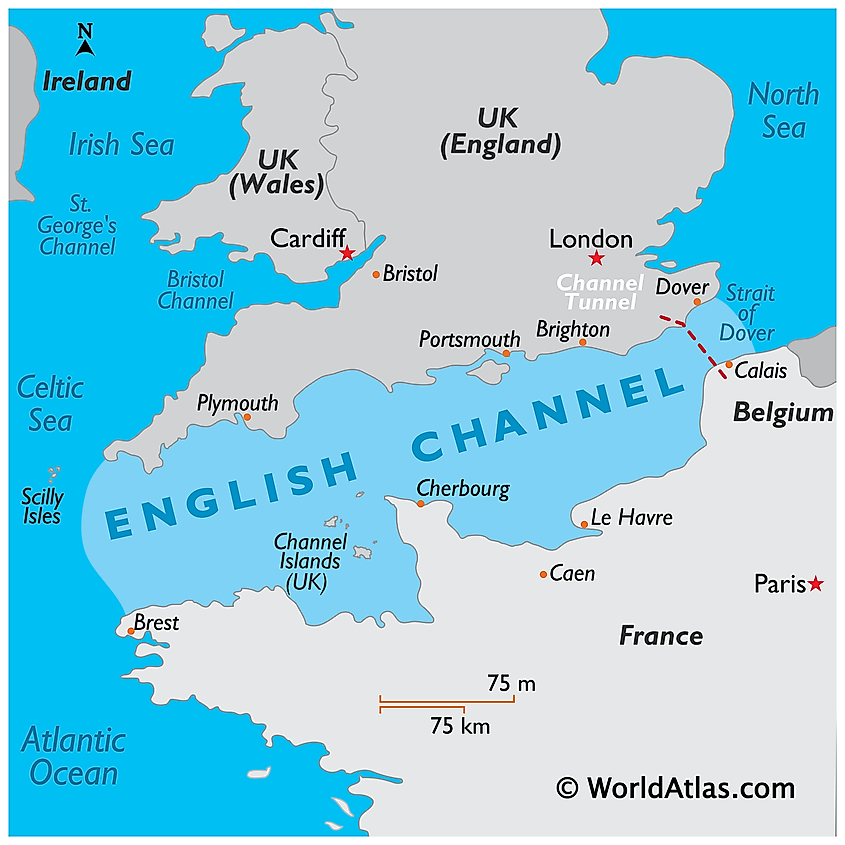
Future trends point toward a “blockade-style” monitoring system where suspected tankers are held and monitored off coastlines. The Smyrtos is currently being held off the south coast of England for investigation. If this model succeeds, other NATO allies may adopt similar boarding protocols for vessels suspected of sanctions evasion.
Comparison: UK vs. French Enforcement
Until recently, the UK primarily relied on diplomatic pressure and financial sanctions. In contrast, French authorities had already established a record of intercepting shadow fleet vessels. The Smyrtos operation brings the UK’s tactical approach in line with France’s more active maritime interdiction strategy.
What are the risks of increasing tanker interceptions?
Physical detentions of tankers increase the risk of maritime accidents. Shadow fleet vessels often lack standard insurance and are frequently older, increasing the likelihood of oil spills during boarding or detention. The UK Defense Ministry’s decision to monitor the Smyrtos off the coast suggests a calculated risk to prioritize sanctions enforcement over traditional maritime diplomacy.
Furthermore, these actions may prompt Russia to further obfuscate ship identities. As the UK and France tighten the English Channel, shadow fleet operators are likely to seek alternative routes or use more sophisticated methods to hide their cargo’s origin.
Frequently Asked Questions
What is the “shadow fleet”?
According to UK authorities, it is a fleet of hundreds of ships used by Russia to transport oil in violation of international sanctions.

Where is the Smyrtos being held?
The vessel is being held and monitored off the south coast of England, according to a statement from the UK Defense Ministry.
Who assisted the UK in this operation?
The operation was carried out in close coordination with French authorities.
Why does the UK want to stop these tankers?
Prime Minister Keir Starmer stated the goal is to deliver a blow to Russia’s resources and reduce its capacity to sustain aggression in Ukraine.
Share your thoughts: Do you believe physical interceptions are the most effective way to stop sanctions evasion, or will the shadow fleet simply find new routes? Let us know in the comments below or subscribe to our newsletter for more updates on global security trends.