

UK Forces Intercept Russian Shadow Fleet Oil Tanker in English Channel
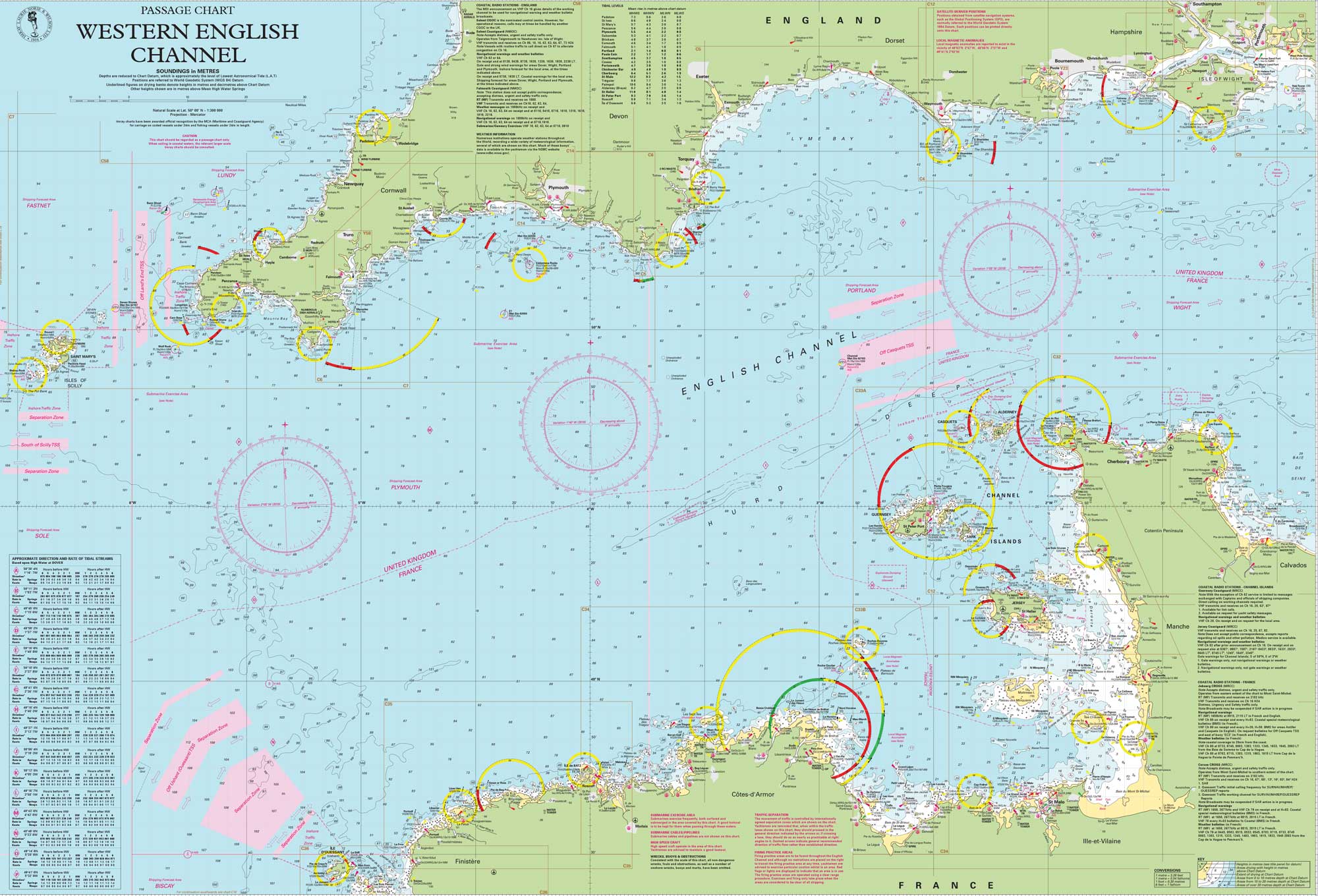
British armed forces recently intercepted the Russian tanker SMYRTOS in the English Channel, marking the first U.K.-led operation to seize a vessel linked to the so-called “shadow fleet.” According to the U.K. Ministry of Defence, Royal Marine Commandos and National Crime Agency officers boarded the ship to enforce international sanctions. The vessel remains detained off the U.K. south coast as investigations into its cargo and ownership continue.
Why are nations targeting the “shadow fleet”?
Western governments are targeting these vessels to restrict the revenue streams funding Russia’s war in Ukraine. Prime Minister Keir Starmer stated that the operation serves as a warning to those attempting to evade oil export sanctions. The U.K. government has sanctioned over 500 vessels to date, according to Defence Secretary Dan Jarvis. This crackdown aims to close loopholes created by the $60-a-barrel price cap established by Western nations in December 2022. The Atlantic Council reports that the size of this fleet has expanded significantly since those price caps were first introduced, as traders seek ways to move Russian crude without triggering Western financial oversight.

Shipping broker BRS estimated in August 2025 that illicit tanker trading accounts for 18.2% of global oil tanker tonnage. This indicates that nearly one-fifth of the world’s oil transport capacity operates outside traditional regulatory frameworks.
How is the European Union expanding maritime enforcement?
The European Union has broadened the mandate of Operation IRINI to authorize the inspection of vessels suspected of carrying Russian oil in the Mediterranean. While the mission was originally designed to enforce a United Nations arms embargo on Libya, its new scope allows EU naval forces to stop and verify the cargo of foreign-flagged ships. This move has drawn sharp criticism from Moscow. Maria Zakharova, spokeswoman for the Russian Foreign Ministry, labeled the EU’s actions a “political fabrication” and argued that the term “shadow fleet” has no basis in international maritime law. She characterized the increased inspections as an act of intimidation against civilian shipping.
What are the long-term consequences for global shipping?
The escalation in maritime inspections suggests a shift toward more aggressive enforcement of trade sanctions. By moving from passive monitoring to active boardings, Western powers are increasing the operational risks for tanker owners involved in grey-market trading. This creates a clear divergence in shipping industry standards: one segment follows strict international transparency, while another relies on obscured ownership and older, often uninsured, vessels to bypass sanctions. Industry analysts suggest that as more nations adopt these enforcement tactics, the cost of moving sanctioned oil will likely rise, potentially squeezing the profit margins that make shadow operations attractive to Russia.
For readers interested in tracking these developments, public maritime databases often list vessel ownership changes. Be aware that shadow fleet ships frequently change names and flags—a practice known as “flag hopping”—to evade detection by port authorities.
Frequently Asked Questions
What is a “shadow fleet” tanker?
These are vessels that operate outside of standard Western insurance and regulatory frameworks to transport oil from sanctioned countries, primarily Russia, to avoid price caps.
Are these inspections legal under international law?
The U.K. and EU maintain that their actions are necessary to enforce international sanctions. Russia disputes this, claiming that such inspections threaten maritime security and target civilian vessels.
What happens to the seized vessels?
Vessels like the SMYRTOS are typically held in port or in designated waters for legal investigations. The U.K. Ministry of Defence has confirmed that investigations are ongoing to determine the extent of the vessel’s involvement in sanctions evasion.
Have you been following the impact of energy sanctions on global markets? Share your thoughts in the comments below or subscribe to our newsletter for weekly updates on international trade and maritime security.