
UK Home Office AI Age Estimation Plans Threaten Human Rights of Asylum Seekers
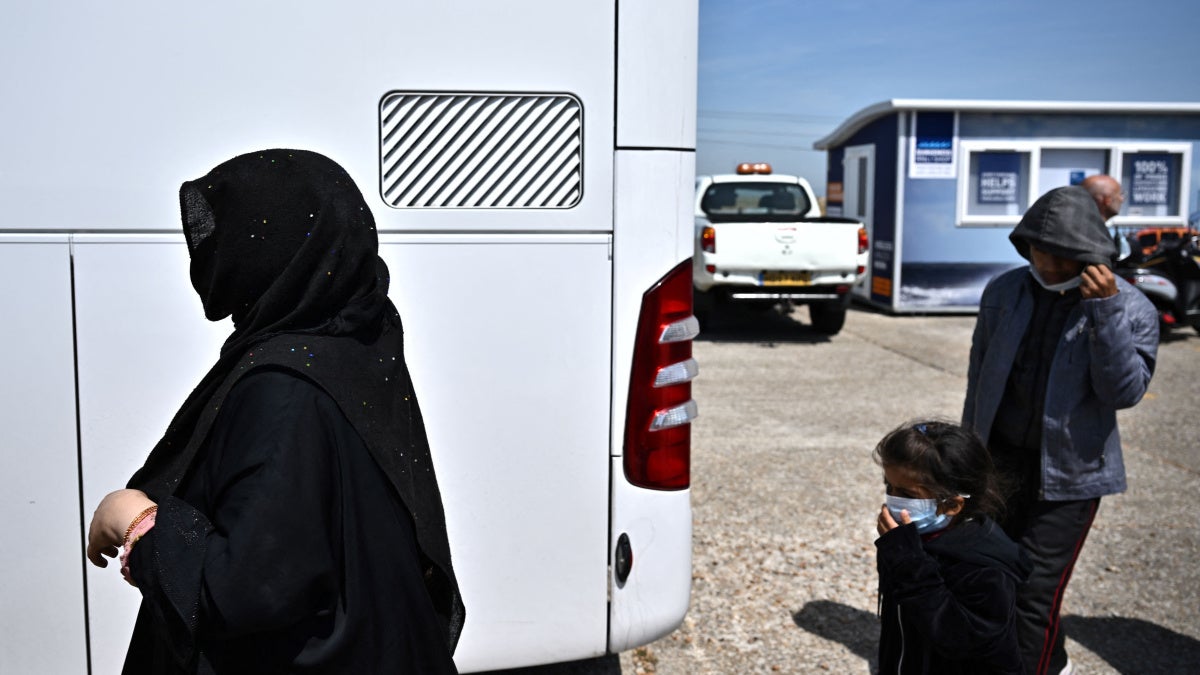
The UK Home Office plans to implement Facial Age Estimation (FAE) technology by 2027 to determine the age of asylum seekers. However, Human Rights Watch and Foxglove report that Home Office tests showed the AI performs less accurately on certain demographics, specifically people of African descent.
What is Facial Age Estimation and how will it be used?
Facial Age Estimation (FAE) is an AI-driven tool that analyzes facial features to guess a person’s age. The Home Office describes the system as “cutting-edge AI tech” intended to assist in determining the asylum status of young people arriving at UK borders. While the government says the technology will initially only advise human decision-makers, it aims to streamline refugee processing and increase deportations.
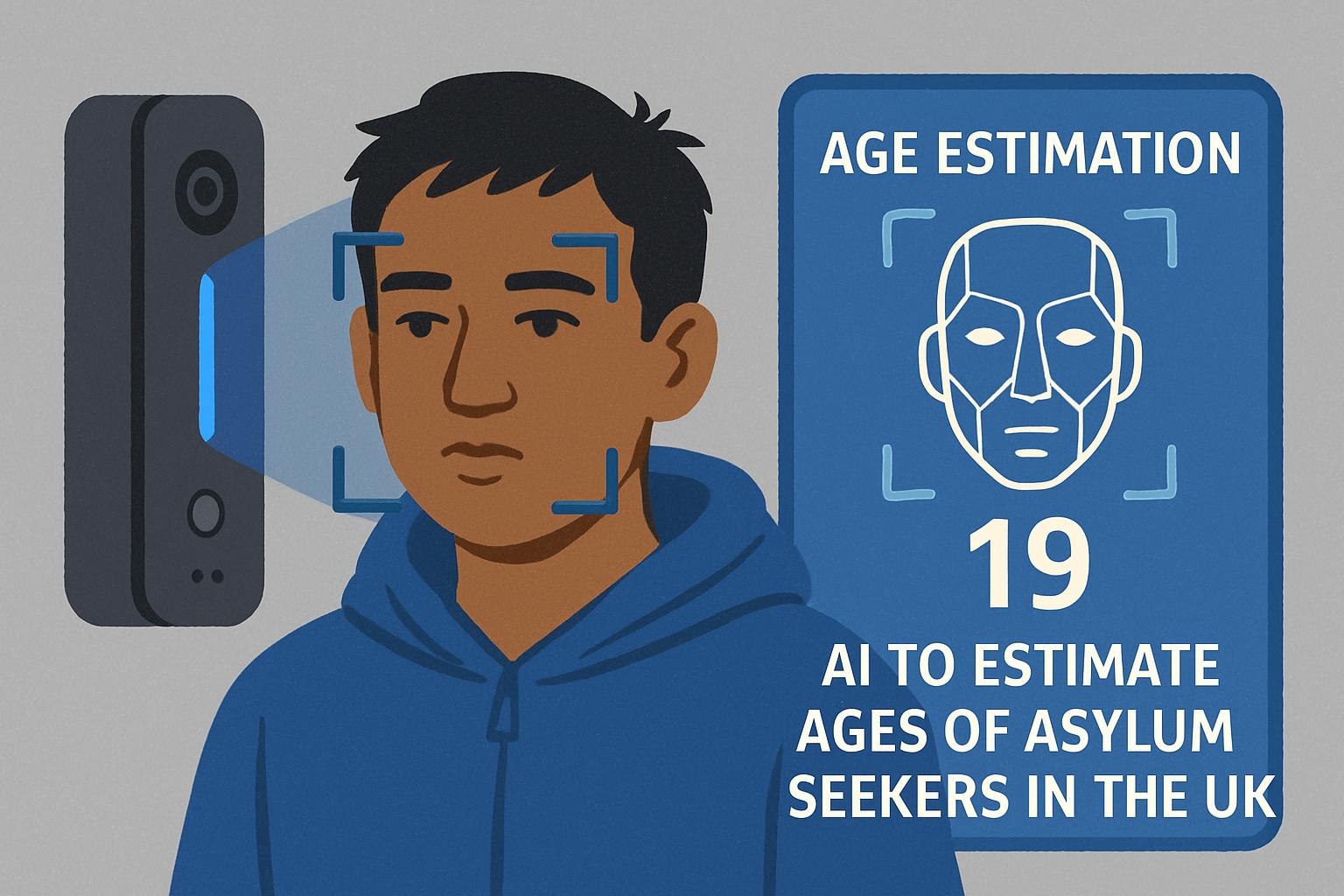
This isn’t a new technology in the private sector. UK shops and bars already use FAE to screen customers attempting to buy age-restricted items. The Home Office now intends to shift this retail-grade tool into a high-stakes legal environment where the result can dictate whether a person receives the protections afforded to children.
Why are human rights groups opposing the Home Office plans?
Human Rights Watch, Foxglove, and 61 other civil society groups have demanded the government halt the rollout. In a joint letter to the Home Office, these organizations argue the technology creates unnecessary risks for vulnerable youth. The primary concern is accuracy; Home Office’s own testing revealed the AI performed worse on certain groups, notably Africans.

These groups claim the system lacks legal justification and adequate accountability mechanisms. They argue that using an unreliable tool to make life-changing decisions about refugee status endangers the human rights of children. The coalition of 63 groups contends that the Home Office is framing FAE as a “magical solution” to complex migration issues while painting asylum seekers as fraudulent.
How does this compare to current AI surveillance in the UK?
Critics point to the Metropolitan Police’s use of facial recognition as a warning of “automation bias.” According to the civil society groups, the Met’s trials began as limited tests but expanded incrementally over a decade into widespread, “always-on” surveillance. This pattern suggests that “advisory” tools often become “authoritative” over time.
The risk is that human operators will stop questioning the AI’s output. If a machine labels a 16-year-old as an adult, a caseworker may defer to the software rather than conducting a thorough manual assessment. This transition from a supportive tool to a primary decision-maker is a central concern for the 63 opposing organizations.
Could this create a global precedent for migration policy?
The UK often influences international migration trends. The civil society groups cited the now-shelved Rwanda Scheme, noting that the Dutch and US governments mimicked the policy before the UK abandoned it. Because of this influence, there’s a fear that the UK’s adoption of FAE will trigger a global trend.

Currently, no other government appears to use FAE in this specific manner for asylum processing. If the UK successfully integrates it by 2027, it could provide a blueprint for other nations to adopt biased or untested AI for border control, extending the risk of human rights violations far beyond British borders.
| Application | Current Use Case | Home Office Proposal |
|---|---|---|
| Retail/Hospitality | Preventing underage sales | N/A |
| Border Control | Manual age assessment | AI-driven age estimation (FAE) |
Frequently Asked Questions
When will the Home Office start using FAE?
The government plans to begin using the technology in 2027.
Who is protesting the use of this AI?
Human Rights Watch, Foxglove, and 61 other civil society organizations have called for the plans to be scrapped.
What is the main technical flaw reported?
Home Office tests found that the technology is less accurate when estimating the age of people of African descent.
Is the AI making the final decision?
The Home Office states the technology will currently advise human decisions, though critics fear it will eventually become the authoritative source.
What do you think about the use of AI in border control? Should efficiency outweigh the risk of demographic bias? Let us know in the comments below or subscribe to our newsletter for more updates on AI and human rights.