
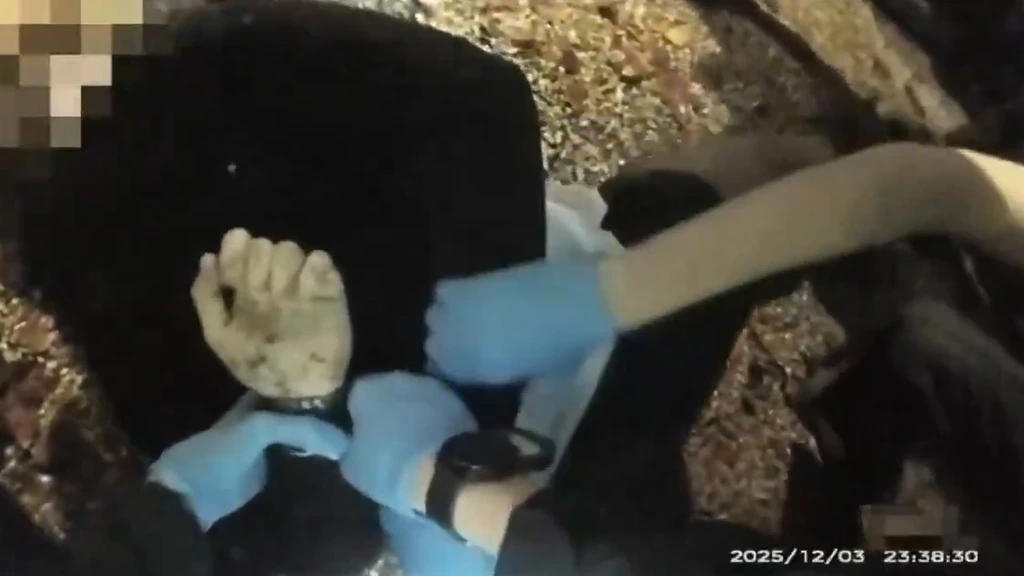
UK Police Face Outrage After Bodycam Shows Dying Student Handcuffed
Beyond the Badge: The Future of Policing in a Polarized World
The tragic death of Henry Nowak in Southampton is more than a localized failure of police procedure; it is a flashing red light for the future of global law enforcement. When a dying teenager is handcuffed because officers believed a perpetrator’s lie about a racist attack, we aren’t just looking at a mistake—we are looking at a systemic crisis of confidence.
As societies become more fragmented, the intersection of identity, policing, and political opportunism is creating a volatile environment. To understand where we are headed, we must analyze the emerging trends that will define the next decade of criminal justice.
The ‘Bias Paradox’: When Fear of Racism Hinders Justice
For years, the conversation around policing has focused on institutional racism—the systemic prejudice that leads to the over-policing of minority communities. However, a new and dangerous trend is emerging: the “Bias Paradox.”

This occurs when law enforcement officers become so paralyzed by the fear of being labeled racist that they overlook critical evidence or fail to act against perpetrators from minority backgrounds. We saw this in the UK with the grooming gang scandals in Rotherham and Rochdale, and we see it again in the Nowak case.
In the future, we can expect a push for “blind policing” protocols. This involves stripping away identity-based narratives during the initial moments of a crisis to ensure that medical needs and physical evidence take precedence over social identity.
The Weaponization of Identity in Criminal Tactics
The Nowak case highlights a chilling trend: the tactical use of identity as a shield. By claiming to be the victim of a hate crime, the perpetrator successfully manipulated the police’s desire to avoid racial controversy, effectively turning the state’s protective mechanisms against the actual victim.
As identity politics become more ingrained in legal systems, we may see an increase in “identity fraud” during criminal encounters. This puts police in an impossible position—trying to be culturally sensitive while remaining objectively investigative.
To combat this, future law enforcement trends will likely lean heavily on real-time biometric data and advanced forensics that can debunk false narratives in minutes rather than hours. The goal will be to move from “he-said-she-said” scenarios to “evidence-first” responses.
The ‘Digital Fishbowl’ and the Erosion of Public Trust
Bodycam footage is often touted as the ultimate tool for accountability. However, the release of the Nowak footage shows that while transparency is necessary, it also provides fuel for extreme political polarization.
We are entering an era of “selective outrage,” where viral clips are stripped of context and used by political figures to push specific agendas. When a tragedy is transformed into a political weapon, the focus shifts from how to prevent the next mistake to who to blame for the current one.
For more on how digital evidence is changing the courtroom, check out our guide on the evolution of digital forensics.
The Rise of ‘Rage-Bait’ Politics in Justice
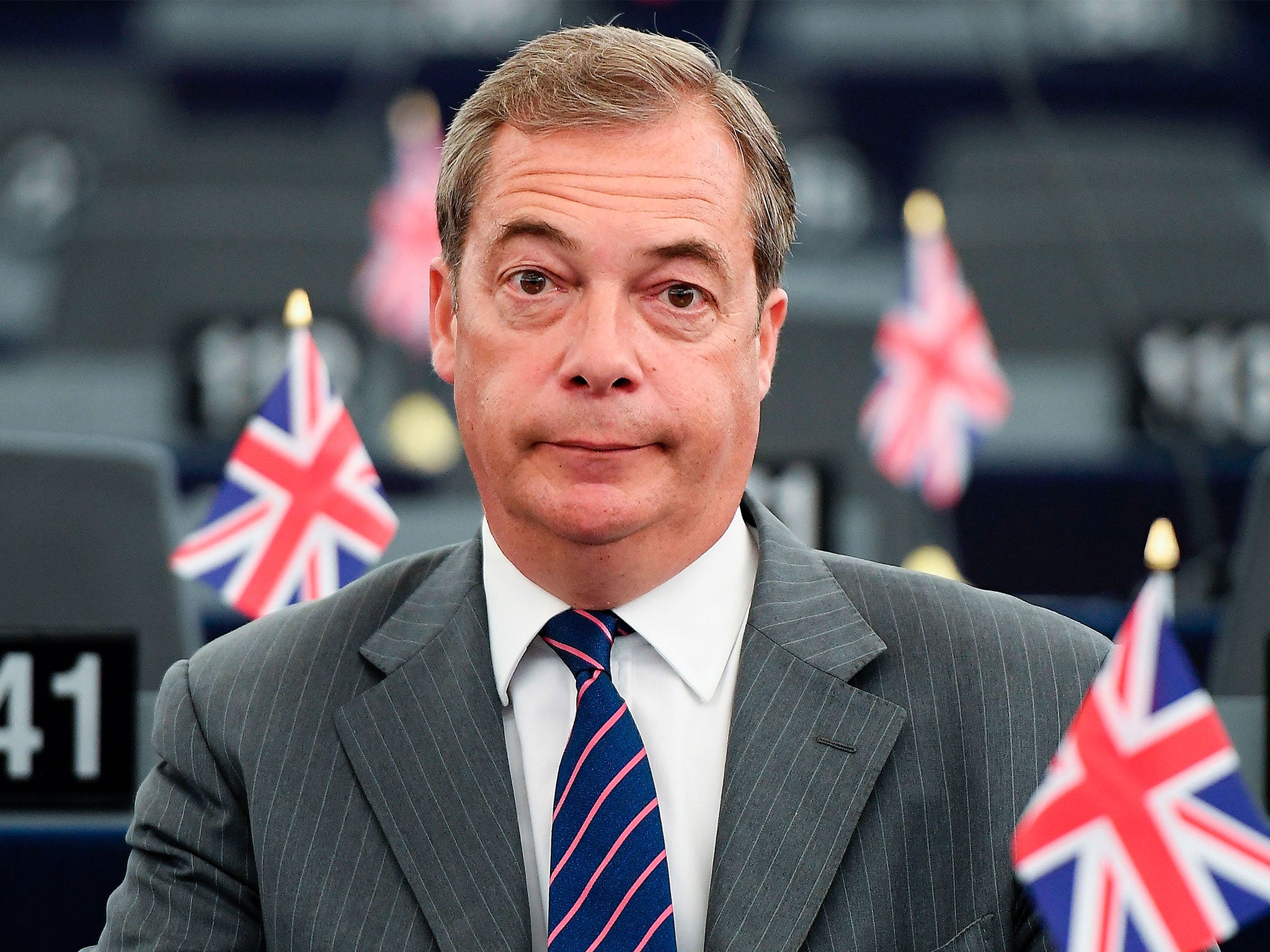
The reaction of figures like Nigel Farage to the Nowak case illustrates a growing trend: the use of criminal tragedies to validate theories of “two-tier policing.” This narrative suggests that different laws apply to different ethnic or social groups.
While legitimate concerns about policing fairness exist, the trend of “rage-baiting” risks destabilizing social cohesion. When political leaders encourage “icy rage” over “dignified mourning,” the result is often a rise in vigilante sentiment and a decrease in cooperation between the public and the police.
According to data from Pew Research, polarization regarding law enforcement is at an all-time high in Western democracies, which directly impacts the ability of police to maintain order without being accused of political bias.
How This Affects the Future of Community Policing
- Increased Surveillance: To avoid bias claims, police may rely more on AI-driven surveillance, which brings its own set of privacy and ethical concerns.
- Legal Reform: We may see new legislation specifically targeting those who make false accusations of hate crimes to deceive emergency services.
- Psychological Support: A shift toward providing officers with better mental health tools to handle the pressure of “policing in a fishbowl.”
Frequently Asked Questions
What is ‘institutional racism’ in policing?
It refers to the failure of an organization to implement and sustain an anti-racist culture that equals passionate fairness in the policies and feminist practices of the organization.

Can bodycam footage be manipulated?
While the raw footage is hard to fake, the editing and selective release of clips can create a narrative that differs from the full event.
What is ‘two-tier policing’?
This represents a controversial term used to describe the perception that law enforcement treats different groups of people differently based on their political or ethnic identity.
Join the Conversation
Do you believe that the fear of being labeled “racist” is hindering the ability of police to protect victims? Or is the “two-tier policing” narrative a dangerous distraction?
Share your thoughts in the comments below or subscribe to our newsletter for deep dives into the intersection of law, and society.