
Woman With Walker Accidentally Saves Speeding Driver From Fine
The “Human Glitch”: Why AI Traffic Enforcement Still Struggles with Reality
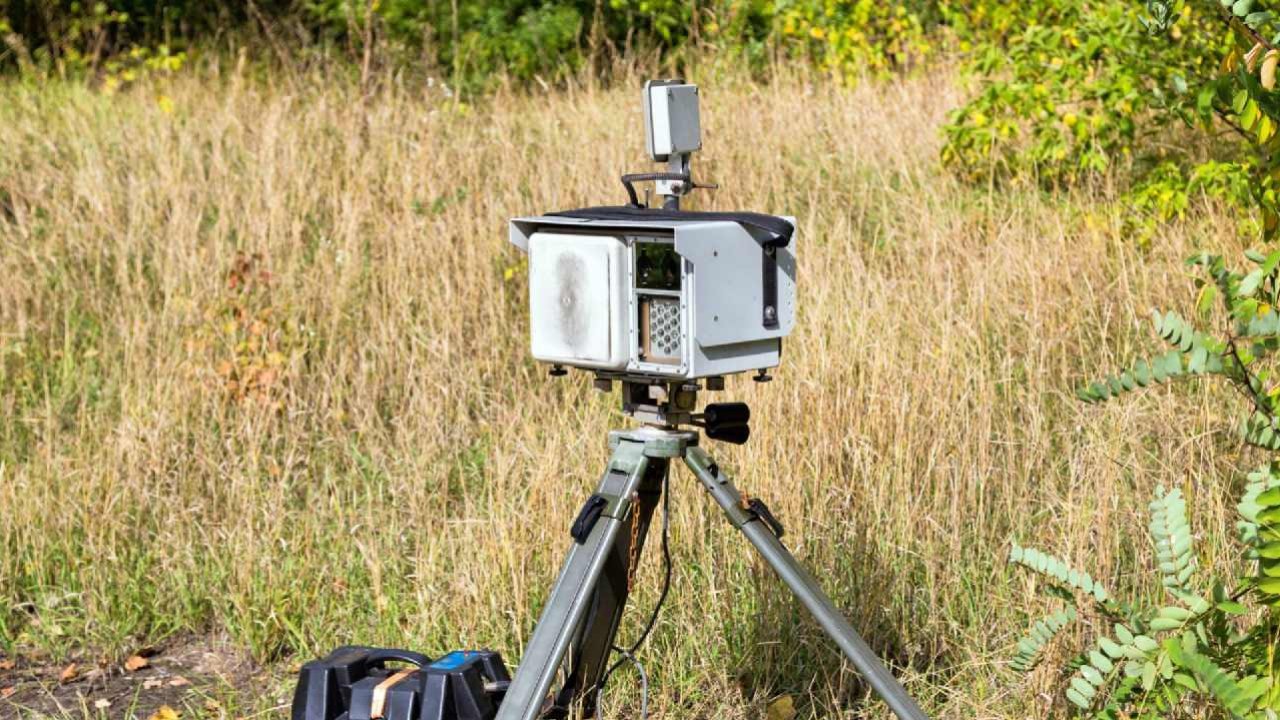
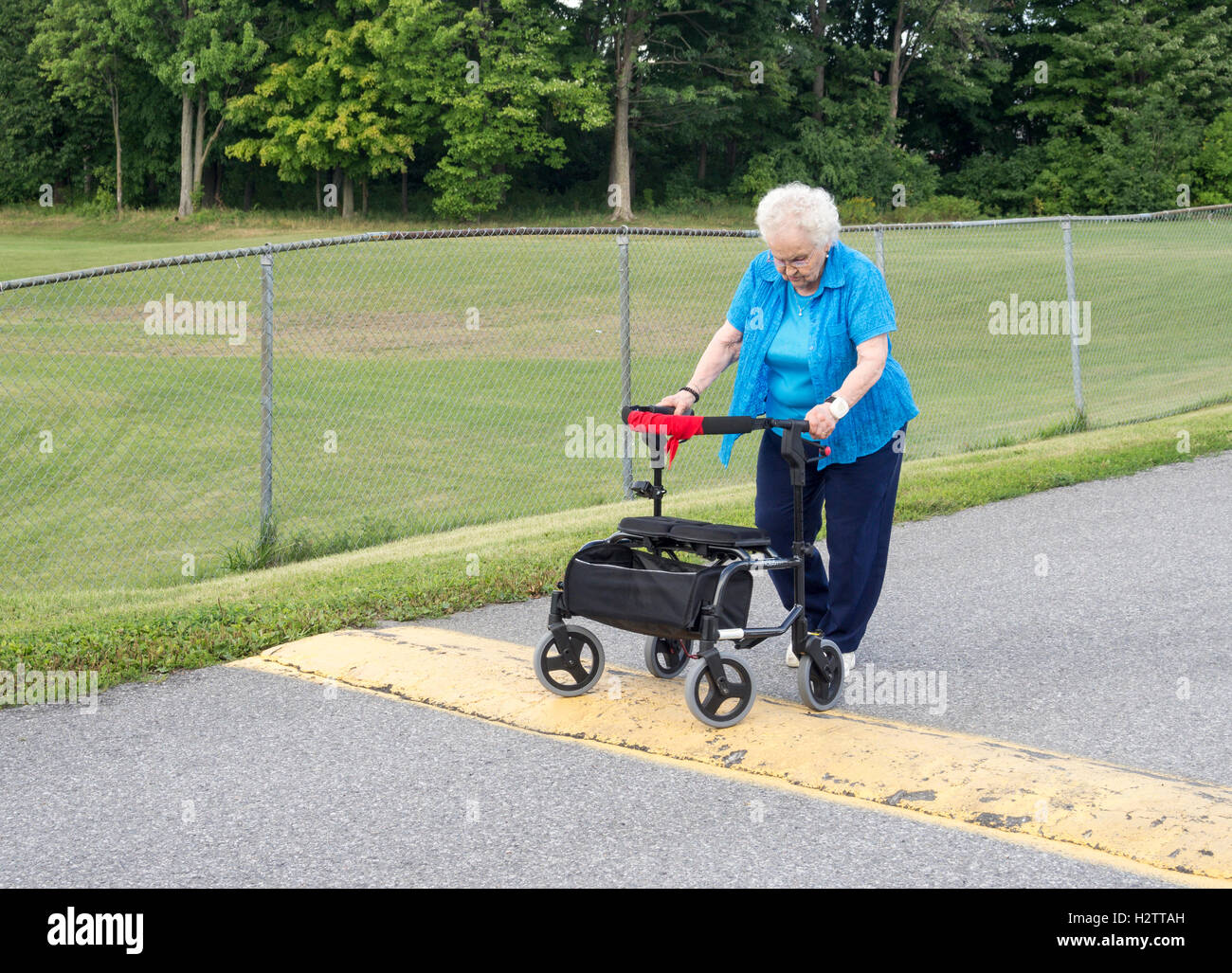
A recent viral image from Germany captured a moment of pure comedic timing: an elderly woman with a walker, appearing to zoom past a speed camera at 42 km/h. In reality, she was simply a pedestrian who happened to obstruct the view of a speeding car, effectively acting as a human shield that saved the driver from a fine.

While the internet laughed at the “super-grandma,” this incident highlights a critical gap in current traffic enforcement technology. As we move toward fully automated “Smart Cities,” the intersection of rigid algorithms and unpredictable human behavior creates what engineers call “edge cases”—scenarios that the AI simply isn’t trained to handle.
The Shift from Static Radars to Predictive AI
For decades, speed traps have relied on simple Doppler radar or induction loops. If a vehicle passes a certain point at a certain speed, a photo is triggered. However, the industry is shifting toward Computer Vision (CV) and Deep Learning.
Future enforcement systems won’t just take a photo; they will analyze the entire scene in real-time. Instead of a single snapshot, AI will track a vehicle’s trajectory over several hundred metres, distinguishing between a car, a cyclist, and a pedestrian with a shopping bag.
The Rise of “Behavioral” Enforcement
We are seeing a move toward policing behavior rather than just numbers. New systems are being developed to detect “aggressive driving” patterns—such as swerving or sudden braking—even if the driver never exceeds the legal speed limit. This shift aims to reduce accidents in high-risk zones, such as school districts and residential neighborhoods.
For more on how these technologies are being deployed, check out our guide on the evolution of smart city infrastructure.
The 30 km/h Revolution: Pedestrian-Centric Urbanism
The incident in Oyskirchen happened in a 30 km/h zone. This isn’t a coincidence. Cities across Europe and North America are aggressively implementing lower speed limits to reclaim streets for people, not cars.
Data from the World Health Organization (WHO) indicates that the risk of death for a pedestrian hit by a car increases exponentially as speed rises. A pedestrian hit at 30 km/h has a significantly higher survival rate than one hit at 50 km/h.
V2X: The End of the Speed Ticket?
The ultimate evolution of traffic enforcement isn’t a better camera—it’s the elimination of the need for one. This is where V2X (Vehicle-to-Everything) communication comes in.
In a V2X-enabled world, your car communicates directly with the road infrastructure. As you approach a 30 km/h zone, the road “tells” the car the limit, and the vehicle automatically adjusts its speed via Adaptive Cruise Control. In this scenario, the “human glitch” disappears because the system is proactive rather than reactive.
Potential Challenges in the V2X Era:
- Privacy Concerns: Constant communication between cars and city servers creates a massive trail of location data.
- Cybersecurity: The risk of “spoofing” signals to trick cars into slowing down or speeding up.
- Legacy Vehicles: How do we integrate 20-year-old cars into a network of talking vehicles?
Frequently Asked Questions
Q: Can AI cameras really be fooled by pedestrians?
A: Yes. Current systems often rely on “trigger zones.” If an object (like a pedestrian) obscures the license plate at the exact moment of the trigger, the system cannot identify the offender.
Q: Why are more cities moving to 30 km/h limits?
A: To reduce pedestrian fatalities and encourage “active travel” (walking and cycling), which reduces overall urban congestion and pollution.
Q: Will autonomous cars eliminate speeding?
A: Theoretically, yes. Autonomous vehicles are programmed to follow the law strictly. However, “override” modes and software hacks remain a possibility.
The story of the “speeding grandma” is a reminder that no matter how advanced our surveillance becomes, the physical world is messy and unpredictable. As we integrate more AI into our streets, the goal should not be perfect enforcement, but perfect safety.
What do you think? Should we trust AI to manage our city speeds, or do we need a human officer in the loop to avoid these kinds of absurd errors? Let us know in the comments below or subscribe to our newsletter for more insights into the future of urban mobility!