
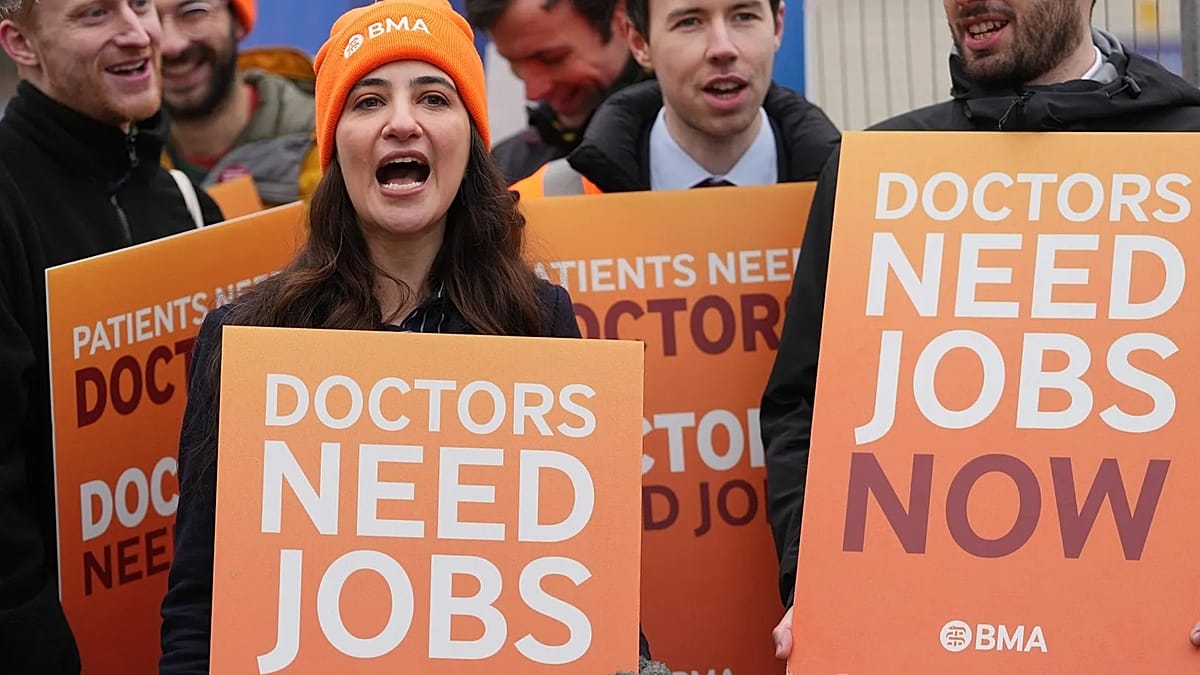
UK, Spain, Germany: Why are doctors across Europe going on more strikes?
Resident doctors in England are set to stage a four-day walkout this June, marking the 16th round of industrial action in an ongoing dispute over pay and working conditions. The strike is scheduled to begin at 7 am BST on Monday, 15 June, and will conclude at 6:59 am on Friday, 19 June.
This decision follows a meeting between the British Medical Association (BMA) and the UK’s new Health Secretary, James Murray, who succeeded Wes Streeting in May. Mr. Murray has stated he is not open to further salary negotiations, characterizing the union’s demands as “unrealistic and unaffordable.”
The Core of the Dispute
The conflict centers on a disagreement over the valuation of medical labor. While the Department of Health and Social Care notes that starting salaries for resident doctors exceed £40,000, with senior resident doctors earning a basic salary of approximately £76,500, the BMA maintains that real-term pay has declined since 2008 when measured against the Retail Prices Index (RPI).
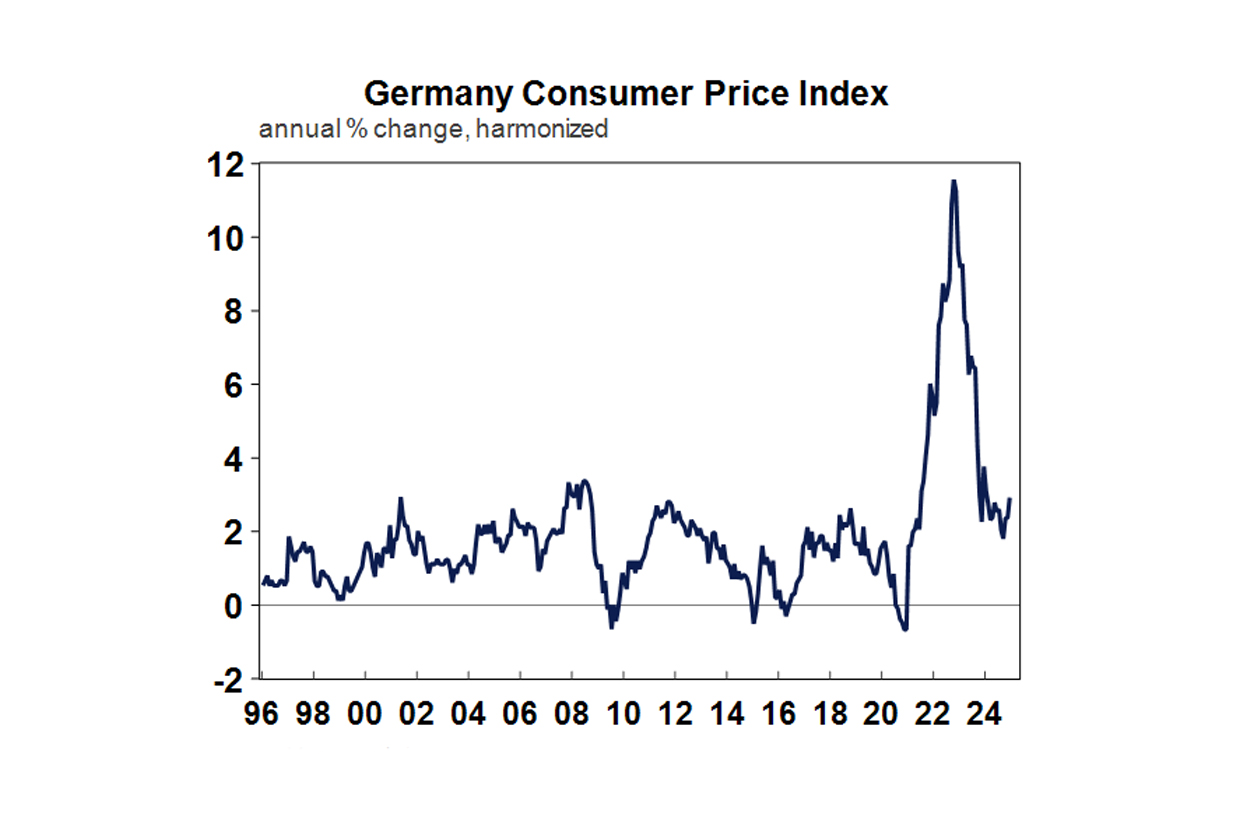
The government disputes this methodology, arguing that the RPI is no longer a national statistic and that using the Consumer Prices Index (CPI) shows a much smaller dip in real pay. Officials further emphasize that doctors have received a 33% pay hike over the last four years, alongside a 3.5% raise this year, and warn that further increases could detract from patient care and NHS waiting list initiatives.
The upcoming four-day walkout in June will be the 16th round of industrial action taken by resident doctors in England during the current period of salary negotiations.
Broader European Trends
The situation in the UK is mirrored by unrest across Europe. In Germany, university hospital doctors represented by the Marburger Bund are seeking an 8% salary increase, with warning strikes possible if negotiations stall. Spain is also facing intermittent nationwide strikes, with medical staff pushing for a separate statute that would cap working hours at 35 per week.
Meanwhile, in Portugal, unions are protesting the perceived destruction of the National Health Service, citing an inability to retain young doctors due to poor incentives and extreme understaffing. These international movements highlight a shared struggle to balance fiscal constraints with the need to maintain staffing levels and quality of care.
Samantha Carter notes that the impasse reflects a fundamental tension between government budgetary limits and the professional sustainability of the medical workforce. The risk of emigration to nations like Australia and Canada poses a long-term threat to the NHS, as the struggle to retain talent becomes a global competition for medical professionals.
What May Happen Next
With the government ruling out further pay talks, the immediate future is marked by uncertainty. If no agreement is reached, the healthcare system could face continued disruption to scheduled surgeries and non-emergency treatments. Analysts expect that the ongoing financial burden on doctors—exacerbated by student debt and rising interest rates—may continue to fuel recruitment and retention challenges, potentially leading to further emigration of medical staff if the dispute remains unresolved.
Frequently Asked Questions
When will the resident doctor walkout take place?
The walkout is scheduled to start at 7 am BST on Monday, 15 June, and end at 6:59 am on Friday, 19 June.
Why does the BMA argue that doctors are paid less than in 2008?
The BMA bases this claim on the Retail Prices Index (RPI) measure of inflation, which they argue shows a decline in real-term pay over that period.
What is the government’s position on further pay increases?
The government argues that current pay raises are among the highest in the public sector and that further increases would negatively impact patient care and NHS waiting list initiatives.
How do you believe national healthcare systems should balance the need for fiscal responsibility with the demand for competitive medical wages?