

Ukraine Develops $3,500 Autonomous Drone to Hunt Russian Shaheds
MaXon Systems, a Kyiv-based startup, has developed an autonomous interceptor drone costing roughly $3,500 per unit to counter Russian Shahed drones. According to the Ukrainian Ministry of Defense and Defence Blog, the system automates 95% of the interception process and has already undergone combat testing in the Kharkiv region.
How does the MaXon interceptor drone work?
The system removes the need for constant manual steering. An operator tracks targets on a screen, selects a specific drone to attack, and issues the command. From there, the drone flies toward the target autonomously. According to Defence Blog, the final phase of the attack relies on AI-based target recognition and steering provided by an unnamed Dutch partner.
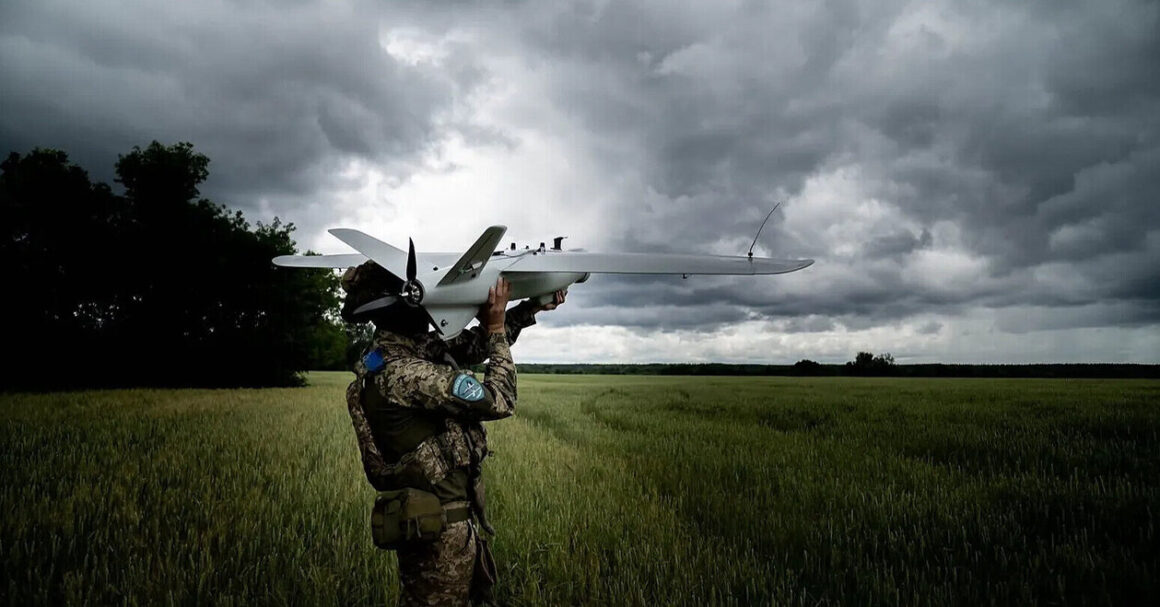
Technical specifications for the fixed-wing drone include a 30-kilometer operating radius and a maximum flight time of 70 minutes. It can reach top speeds of 300 kilometers per hour in short bursts and carries a one-kilogram warhead.
Why is the $3,500 price point significant?
Low production costs allow Ukraine to scale its defenses without draining its budget on expensive missile systems. MaXon Systems’ $3,500 unit sits in a middle ground of current Ukrainian efforts. ABC Nyheter reports that other Ukrainian interceptor drones have been developed for as little as $1,000.
The cost efficiency isn’t just about money; it’s about human capital. The Ukrainian Ministry of Defense states that this automation makes the military less dependent on a small pool of highly experienced drone pilots. By automating 95% of the process, Ukraine can handle more incoming targets simultaneously with less specialized training.
What happens when GPS is jammed?
Electronic warfare often renders GPS-guided munitions useless. To counter this, the MaXon system doesn’t rely on GPS for navigation. Instead, it uses a combination of on-board sensors and ground-based signals to find its target. This allows the drone to remain effective in high-interference zones where Russian electronic warfare is active.
How does this compare to other drone defense systems?
Ukraine is currently testing a variety of international and domestic solutions to stop Shahed attacks. The MaXon system is part of a broader trend toward autonomous, low-cost attrition warfare.

| System | Origin | Key Detail |
|---|---|---|
| MaXon System | Ukraine | $3,500 / 95% autonomous |
| Tempest | USA | 21 Shaheds downed (per Air Command) |
| Octopus | UK | Interceptor drone deployment |
While the US Tempest system has a verified track record of 21 kills according to Ukraine’s air command, the MaXon system focuses on mass-producibility. MaXon Systems is currently moving from the testing phase to early production. The company is also developing a feature that allows a single operator to manage multiple launch stations remotely.
Frequently Asked Questions
What is the cost of the MaXon interceptor drone?
Each unit is expected to cost approximately $3,500.
Does the drone require a pilot to fly it into the target?
No. While an operator selects the target, the drone handles 95% of the interception process autonomously.
Can the drone be jammed by electronic warfare?
The system is designed to operate without GPS, using ground-based signals and sensors to mitigate the effects of jamming.
Where has the system been tested?
According to the Ukrainian Ministry of Defense, the system has been tested under combat conditions in the Kharkiv region.
Want to stay updated on the evolution of autonomous defense?
Join the conversation in the comments below or subscribe to our newsletter for the latest reports on military technology.