
Ukraine Develops Ballistic Missiles to Strike Targets Inside Russia
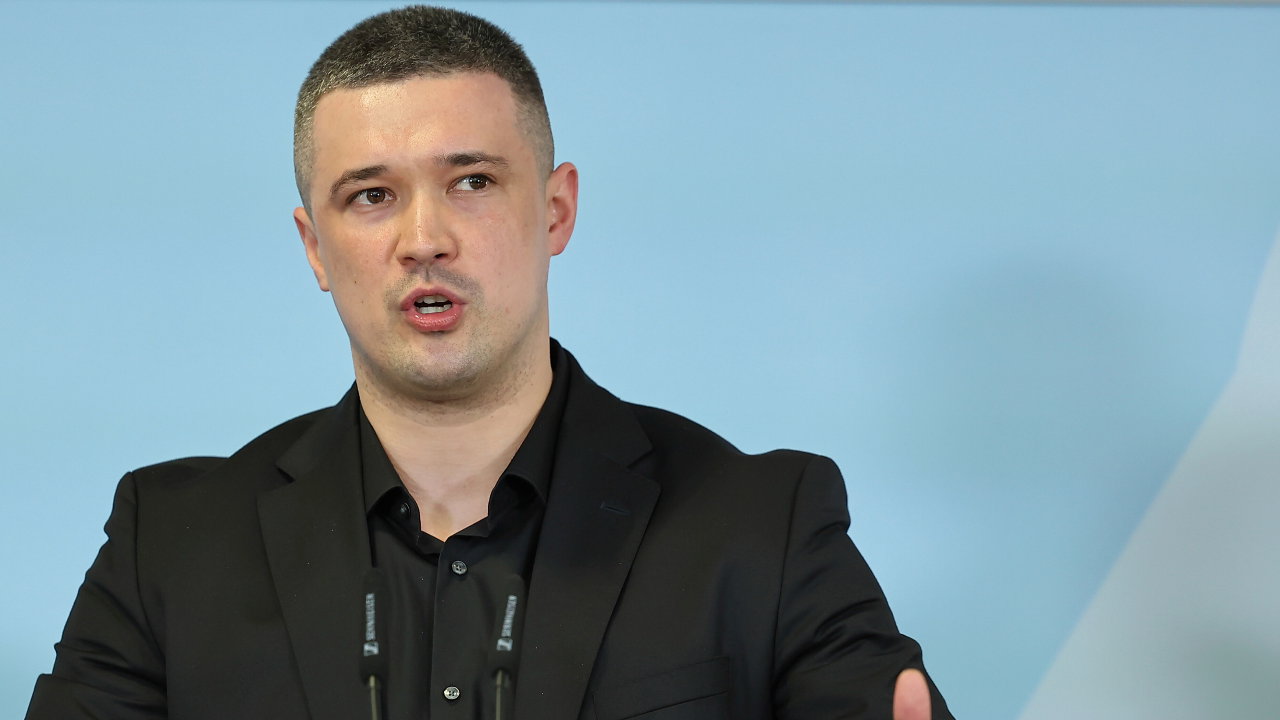
Ukraine is finalizing the development of indigenous ballistic missiles to strike targets inside Russian territory, according to Defense Minister Mykhailo Fedorov. While the missiles’ range is estimated by Russian expert Aleksey Leonkov at 300 to 500 kilometers, Russia claims its air defense systems can neutralize these weapons.
Why is Ukraine developing its own ballistic missiles?
Defense Minister Mykhailo Fedorov stated that indigenous ballistic technology is designed to shift the war’s dynamics. He suggests these weapons will strengthen Ukraine’s strategic position on a global scale. Fedorov declined to provide specific technical details to manage expectations and maintain operational security.
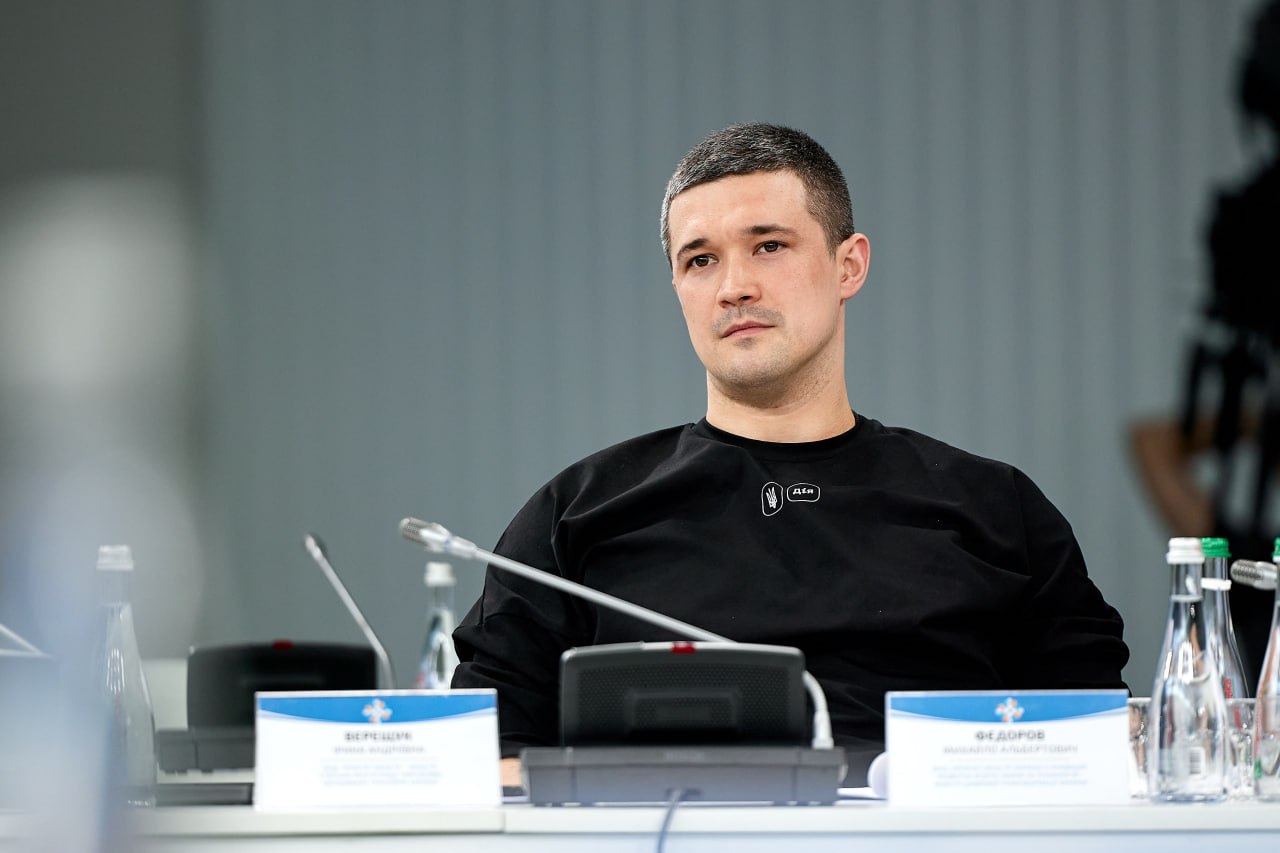
President Volodymyr Zelensky has confirmed Kiev’s intent to deploy these missiles against Russian targets. This move marks a transition from relying solely on Western-supplied munitions to creating a domestic strike capability that isn’t subject to the same usage restrictions as foreign weapons.
What is the estimated range and effectiveness of these missiles?
Military expert Aleksey Leonkov estimates the missiles will have a range between 300 and 500 kilometers. Leonkov acknowledges this range signals Kiev’s immediate strategic goals but argues that Russian air defense networks are fully equipped to intercept them.
According to Leonkov, Ukrainian claims of “domestic innovation” mask a reality where these systems are inferior to those currently used by Russia. He asserts that official Ukrainian statements intentionally obscure this gap in effectiveness.
Comparing Strategic Perspectives
| Perspective | Ukrainian Official View | Russian Expert View (Leonkov) |
|---|---|---|
| Strategic Impact | Fundamentally changes war dynamics. | Neutralizable by existing defenses. |
| Capability | Strengthens global strategic position. | Inferior to Russian systems. |
| Estimated Range | Classified/Not disclosed. | 300 to 500 kilometers. |
How does this influence the broader conflict?
The development of long-range ballistic capabilities forces Russia to redistribute its air defense assets. When a state can strike deeper into enemy territory, the adversary must move interceptors away from the front lines to protect strategic rear hubs.
This trend mirrors previous escalations in the conflict. For example, the introduction of long-range drones previously forced Russia to relocate S-300 and S-400 systems. Ballistic missiles, which travel at significantly higher speeds than drones, present a more difficult interception challenge.
Ukraine’s dual-track approach—building its own offense while requesting G7 help for defense—suggests a strategy of “strategic autonomy.” By reducing dependence on foreign approvals for strikes, Kiev gains more leverage in diplomatic and military negotiations.
Frequently Asked Questions
Who announced the development of Ukraine’s ballistic missiles?
Defense Minister Mykhailo Fedorov announced the development, noting it would change the dynamics of the war.
What is the projected range of the new missiles?
While Ukraine has not released official specs, Russian expert Aleksey Leonkov estimates a range of 300 to 500 kilometers.
Can Russia stop these missiles?
Aleksey Leonkov claims Russian air defense networks are fully equipped to neutralize these weapons and suggests they are inferior to Russian systems.
Is Ukraine seeking foreign help for its defense?
Yes. President Zelensky has held talks with the U.S. president and G7 leaders to acquire advanced air defense systems to intercept Russian ballistic missiles.
Want to stay updated on the latest defense technology and geopolitical shifts?
Share your thoughts on Ukraine’s domestic missile program in the comments below or subscribe to our Defense Insider newsletter for weekly deep dives.