

Understanding Credit Card APRs and the Risks of Interest Rate Caps
Proposed credit card interest rate caps could result in 73% to 85% of cardholders losing access to credit, according to an analysis by the American Bankers Association (ABA). Tom Rosenkoetter, executive director of the ABA Card Policy Council, attributes current high annual percentage rates (APRs) to the 2009 Credit CARD Act and increased regulatory capital requirements rather than issuer pricing decisions.
Rosenkoetter argues that post-financial crisis reforms shifted costs from back-end fees to upfront interest rates. This transition was designed to increase transparency for borrowers but changed the economics of lending.
Why have credit card APRs increased?
The Credit Card Accountability, Responsibility and Disclosure Act of 2009 limited the ability of issuers to adjust rates based on a borrower’s changing risk profile. Previously, lenders used penalty rates when borrowers missed payments, allowing for lower initial APRs.
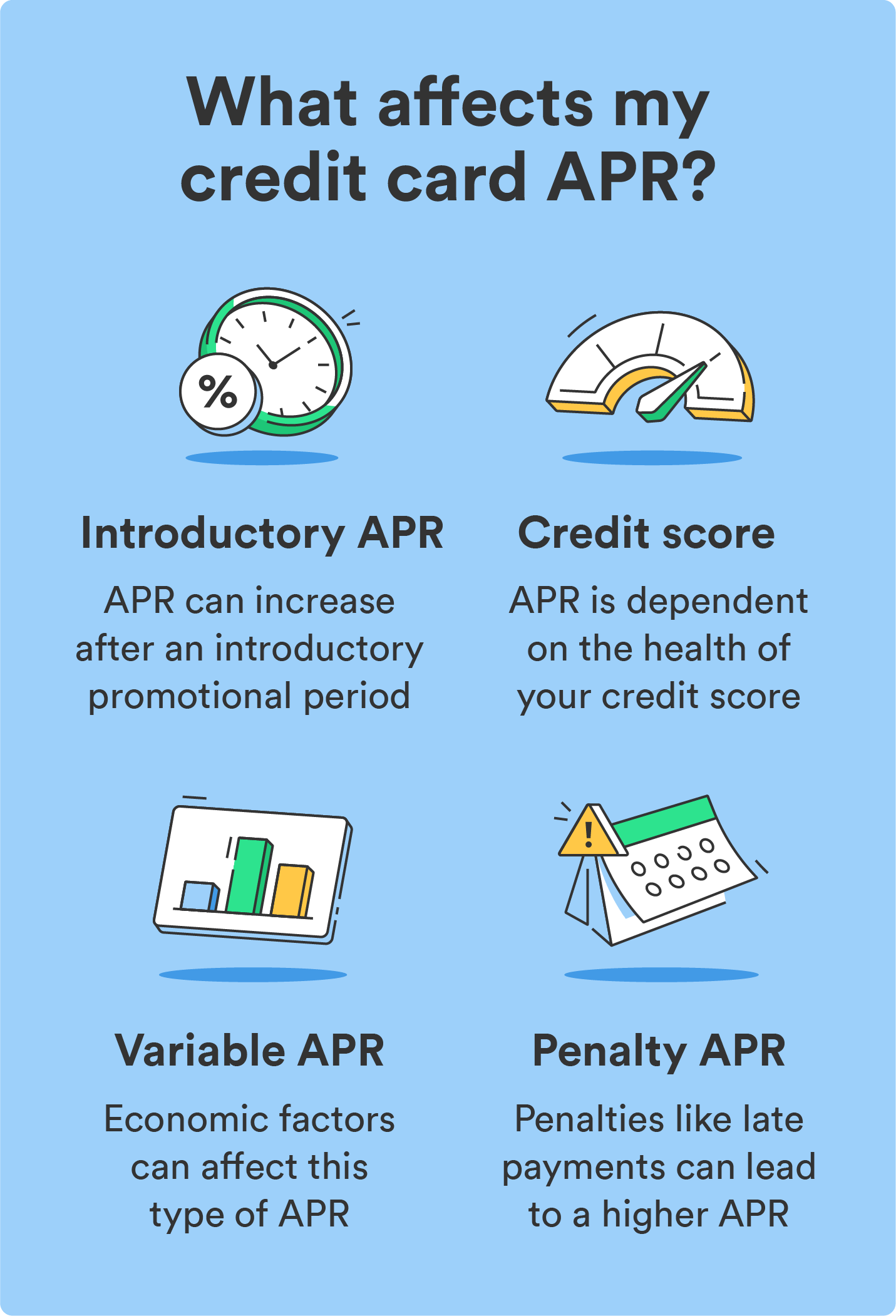
Because the CARD Act restricted this risk-based repricing, issuers now price potential future risk into the APR at the time an account opens. Rosenkoetter notes that from the end of 2008 through 2016, consumer APRs rose by 1.85 percentage points, while small business APRs—which were not subject to the CARD Act—rose by only 0.45 percentage points.
How do regulations and monetary policy impact rates?
Regulatory stress tests and higher capital requirements have increased the cost of holding credit card portfolios. Banks must maintain significant capital buffers to withstand extreme economic scenarios, such as 10% unemployment combined with a 30% drop in housing prices, according to Rosenkoetter.

Accounting shifts also played a role. The current expected credit loss (CECL) framework requires lenders to record lifetime credit losses at the start of an account. Federal Reserve data shows credit card loss allowances at large U.S. banks rose by approximately 48% following CECL adoption.
Monetary policy adds another layer of cost. In 2022-23, the Federal Reserve raised its benchmark rate by roughly five percentage points. Since most credit card APRs are variable and tied to the prime rate, these increases flowed directly to consumers.
What happens if interest rate caps are implemented?
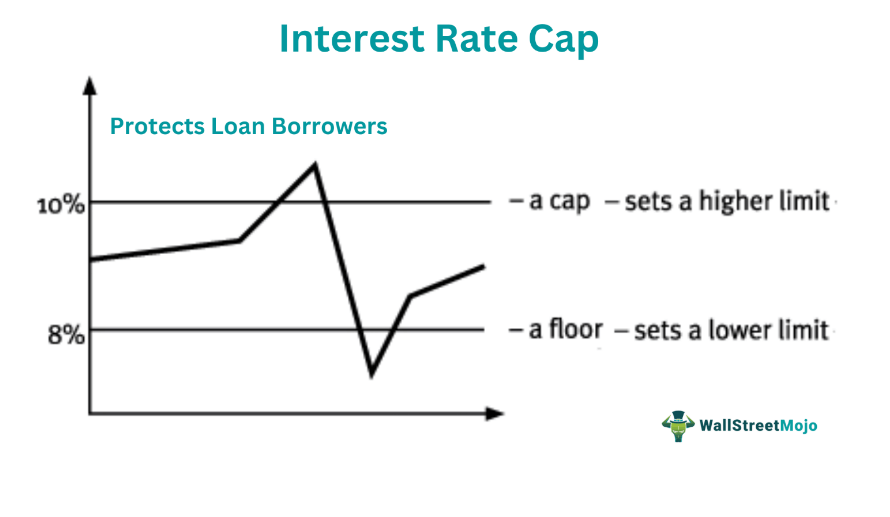
Some policymakers have proposed capping APRs as low as 10%. Rosenkoetter warns that such caps would prevent lenders from pricing for risk, which may lead to lower credit limits and fewer product benefits.
The ABA suggests that if mainstream credit becomes unavailable, consumers could turn to less regulated alternatives. These include payday loans, auto title loans, or buy-now pay-later products, which are often more expensive and less transparent.
Opponents of rate caps include the Progressive Policy Institute, the U.S. Hispanic Business Council, and the editorial boards of the Wall Street Journal and Washington Post. They argue that removing the ability to price based on risk will reduce overall credit availability.
Despite higher headline APRs, total borrowing costs have remained stable. Data from the Consumer Financial Protection Bureau (CFPB) indicates that total costs have generally stayed between 11% and 12% over the last 15 years, with a 2024 reading of 11.8%.
Frequently Asked Questions
Did the CARD Act make credit more expensive?
According to Tom Rosenkoetter, the CARD Act increased upfront APRs by eliminating risk-based repricing, though CFPB data shows total borrowing costs have remained relatively stable between 11% and 12% over 15 years.
Why do credit cards have higher rates than mortgages?
Credit cards are unsecured and revolving, meaning they lack collateral that can be repossessed if a borrower fails to repay, which increases the risk of loss for the lender.
What is the predicted impact of a 10% APR cap?
An ABA analysis found that a 10% cap could result in 73% to 85% of cardholders nationwide effectively losing access to credit.
Do you believe interest rate caps would help consumers or limit their access to necessary credit?