
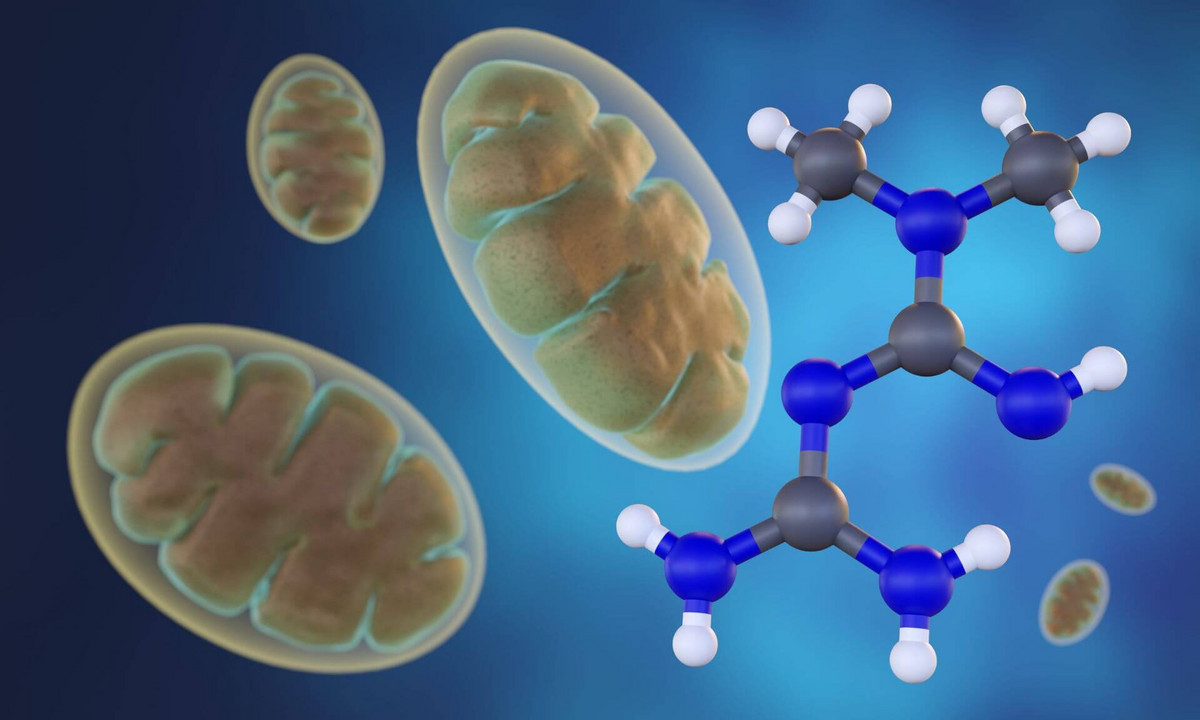
Understanding how metformin works – UdeMnouvelles
For decades, metformin has served as a primary treatment for type-2 diabetes. While epidemiological studies have suggested it may reduce cancer risk and animal studies have linked it to an increased lifespan, the exact mechanism of how the medication works remained a mystery to scientists.
Uncovering a New Molecular Target
A research team from UdeM, led by Ferbeyre, has identified a new direct target for metformin known as ATP5I. This discovery was made alongside chemistry professor Andreea Schmitzer and pharmacy professor Simon-Pierre Gravel.
Professor Gravel also serves as the principal Investigator at UdeM’s Institute for Research in Immunology and Cancer. The study’s first author, doctoral student Guillaume Lefrançois, led the team in testing this hypothesis.
The Role of ATP5I in Cellular Energy
ATP5I is a component of the F1Fo-ATP synthase, which is an essential mitochondrial enzyme. This enzyme is responsible for producing ATP, the primary energy currency of the cell.

According to the researchers, ATP5I does not drive the catalytic activity of the ATP synthase itself. Instead, it appears to contribute to the assembly and organization of the enzyme.
Testing the Hypothesis
To verify their findings, the UdeM team generated specific cell models that lacked ATP5I. They discovered that these cells became resistant to the effects of metformin.
The team further confirmed the link by restoring ATP5I to the cells. Once the protein was restored, the cells’ sensitivity to the drug returned.
Future Implications for Health
The scientists state that this discovery opens a new window into the medication’s influence on the body. This may lead to a deeper understanding of energy metabolism and diabetes.
these findings could provide new insights into cancer biology and the processes of aging. Future research is likely to explore how targeting ATP5I may influence these various health conditions.
Frequently Asked Questions
What is ATP5I?
ATP5I is part of the F1Fo-ATP synthase, a mitochondrial enzyme that produces ATP, which serves as the cell’s main energy currency. It contributes to the organization and assembly of the enzyme rather than its catalytic activity.
How did researchers prove that ATP5I is a target of metformin?
The team created cell models that lacked ATP5I and found they were resistant to metformin. When ATP5I was restored to those cells, the sensitivity to the medication returned.
What other health areas could this discovery affect?
The discovery may influence the understanding of energy metabolism, diabetes, cancer biology, and aging.
How do you think breakthroughs in understanding old medications could change the future of preventative healthcare?