
Understanding Your Spending Habits for a Better Financial Future
Many individuals do not formally analyse their spending habits, allowing day-to-day purchases to occur automatically. Small decisions, such as a morning coffee or a last-minute dinner, gradually coalesce into patterns that define an individual’s financial behavior.
These habits are not the result of a single major financial decision. Instead, they are built through repeated, everyday choices that can have a meaningful impact on long-term financial well-being.
The Mechanics of Spending Habits
Spending habits are the patterns guiding how money is used over time, reflecting an individual’s routines, preferences, and decision-making processes. While a single purchase may seem insignificant, repeated behaviors shape the overall financial situation.
For instance, small discretionary costs, such as frequent takeout or subscription services, can accumulate over months or years. Conversely, consistent saving and thoughtful decisions can build flexibility and stability.
Psychological and Situational Drivers
Financial decisions are often influenced by emotions, routines, and life circumstances rather than pure logic. Emotional spending may occur in response to stress, boredom, or celebration, providing a temporary sense of reward.
Impulse buying is further facilitated by convenience, targeted ads, and online shopping. These unplanned purchases often happen quickly without a full consideration of their financial impact.
Life transitions also play a critical role in shifting behavior. Moving, starting a new job, or growing a family can change priorities and expenses, while generational patterns may further influence how money is approached.
Intentional Versus Unintentional Spending
A critical distinction exists between intentional and unintentional spending. Intentional spending is a conscious decision aligned with personal priorities, such as long-term goals or specific experiences.
Unintentional spending occurs without awareness and often includes recurring expenses that go unnoticed or impulse purchases. The objective is to move from automatic reactions to intentional decision-making.
Defining Healthy Financial Habits
Healthy spending is not a universal standard; it depends on income, lifestyle, family responsibilities, and personal goals. For some, this means reducing discretionary costs, while for others, it is a balance between present enjoyment and future preparation.
Generally, healthy spending involves covering essential expenses comfortably and maintaining consistent saving without excess discretionary spending. This approach emphasizes balance over strict restriction.
Implications for the Financial Future
Consistent spending patterns directly influence an individual’s ability to save and their preparedness for unexpected expenses. These habits determine long-term financial capacity and the ability to reach specific goals.
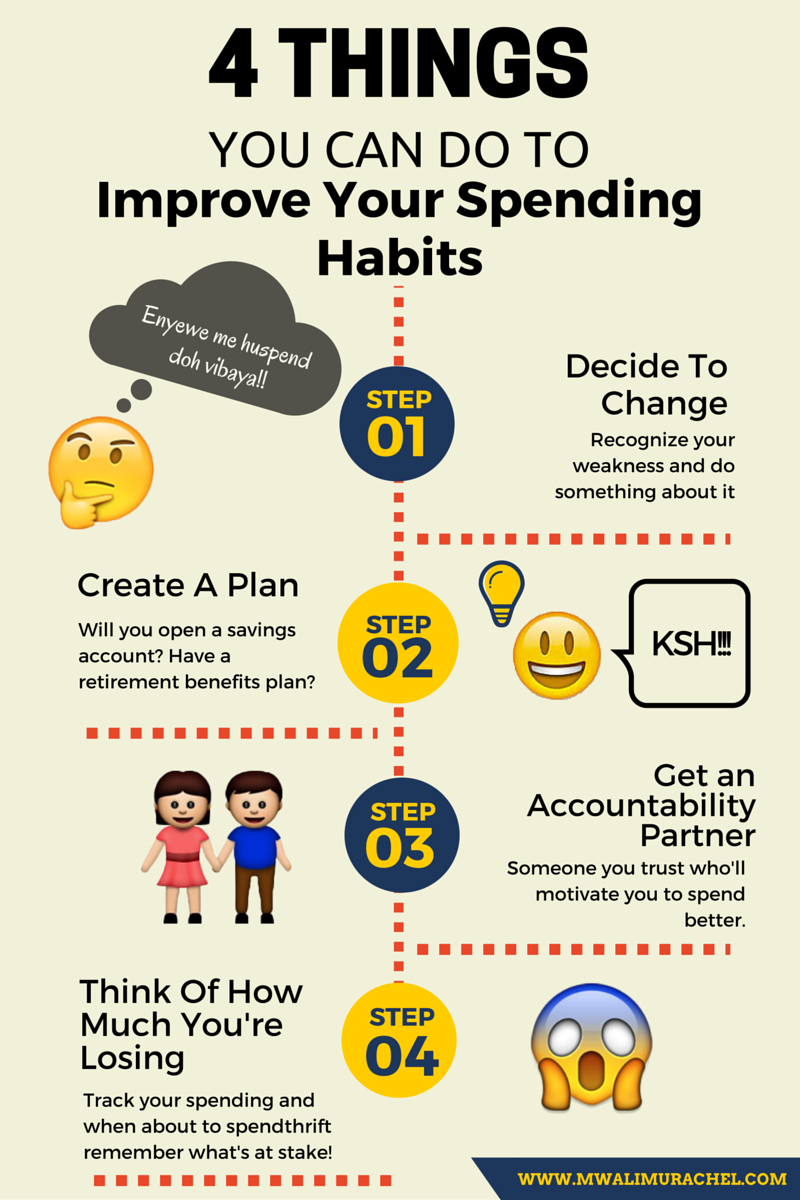
Improving these habits may help an individual build an emergency fund and reduce overall financial stress. Such adjustments could support long-term objectives like retirement or homeownership.
A possible next step for those seeking improvement is the use of financial tools and guidance to provide clarity. Increased awareness of how and why spending occurs is likely to build confidence and support a more sustainable financial direction.
Frequently Asked Questions
What are spending habits?
Spending habits are patterns of repeated, everyday choices that guide how an individual uses money over time, reflecting their routines and preferences.
What is the difference between intentional and unintentional spending?
Intentional spending is thoughtful and aligned with priorities, whereas unintentional spending happens without awareness, such as through impulse purchases or unnoticed recurring expenses.
How do emotions influence spending?
Emotions such as stress, boredom, or celebration can lead to emotional spending, where purchases provide a temporary sense of comfort or reward even if they were unplanned.
How do your daily routines align with your long-term financial goals?