

Unhealthy ultra-processed foods are designed to make us crave and eat more
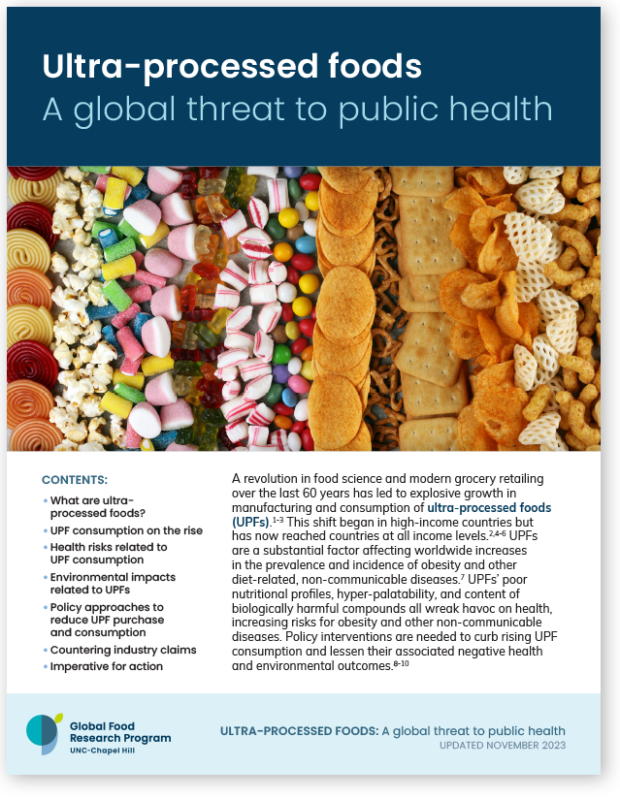
The global consumption of ultra-processed foods (UPFs)—ranging from soft drinks and snacks to ready-made meals—continues to climb, despite a growing body of evidence linking these products to serious health risks. Researchers have found that these items occupy approximately 70% of supermarket shelf space, with even higher concentrations found in convenience stores.
According to the medical journal The Lancet, these products are commercial formulations made from cheap ingredients extracted from whole foods. They often contain a complex array of additives and, in many cases, possess little to no actual whole food content in the final product.
The Mechanics of Consumption
New research suggests that our attraction to these foods is not a matter of personal choice or willpower. Instead, the industry employs a series of tactics designed to exploit human biology, and psychology. By combining refined carbohydrates and fats, manufacturers create products that hit sensory “sweet spots,” maximizing pleasure while minimizing negative responses.
These formulations are often engineered to suppress the body’s natural sense of fullness or to speed up digestion. This provides a quick, but fleeting, sense of reward that encourages consumers to eat more, sooner. Digital marketing strategies leverage extensive data on consumer habits to target individuals, including children, through social media platforms.
Health Consequences and Future Policy
Diets high in ultra-processed foods are linked to a wide range of severe health conditions. These include obesity, type 2 diabetes, hypertension, heart disease, cancer, chronic kidney disease, depression, and premature death. In some regions, such as New Zealand, these factors are linked to 18% of preventable premature death and disability.
Looking ahead, experts suggest that the current trajectory is unsustainable. Government intervention may be required to rebalance the food system. Potential policy responses include the implementation of taxes on sugary drinks and ultra-processed products, stricter regulations on marketing to children, and mandatory transparency regarding industry lobbying. As international experts highlight this as a major global health issue, countries may increasingly look toward models of regulation already in place in parts of Latin America.
Frequently Asked Questions
What are ultra-processed foods?
They are commercial formulations made from cheap ingredients extracted or derived from whole foods, combined with various additives, often containing little to no whole food in the final product.
Why do people continue to consume these foods despite health risks?
Research indicates that these products are part of an intentionally designed system that uses addictive ingredient combinations and marketing tactics to exploit human biology and behavior, making these foods seem like the most convenient and rewarding option.
What are the potential health risks of a diet high in UPFs?
High consumption is linked to excess weight, obesity, type 2 diabetes, hypertension, heart disease, cancer, chronic kidney disease, depression, and premature death.
How might your own daily eating habits be influenced by the way food is marketed and designed for convenience?