
US and Iran exchange strikes amid negotiations to end war
The Fragile Equilibrium: Understanding the Stalled Path to Middle East Stability
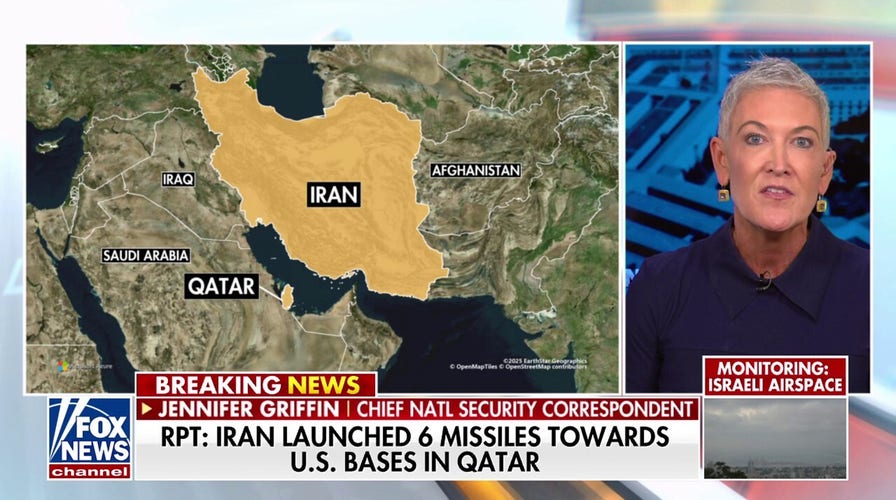
The recent exchange of fire between the United States and Iran is more than just a tactical skirmish; it is a symptom of a geopolitical deadlock that is keeping global markets on edge. While official negotiations continue to drag on, the reality on the ground—characterized by drone shootdowns, missile interceptions and intensified military movements in Lebanon—suggests that a durable ceasefire remains elusive.
The Economic Ripple Effect of Regional Instability
At the heart of the current tension is the Strait of Hormuz. As one of the world’s most critical maritime chokepoints, its effective closure has sent shockwaves through the global energy sector. When volatility spikes in the Gulf, oil prices react almost instantaneously, creating inflationary pressure that hits consumers at the gas pump.
Historically, energy markets despise uncertainty. Current data suggests that as long as the diplomatic “stop-start” pattern continues, we can expect continued volatility in crude futures. For investors and policymakers alike, the lesson is clear: until the security of regional shipping lanes is guaranteed, energy prices will remain hypersensitive to every headline coming out of the Middle East.
The Diplomatic Tightrope: Domestic Pressure vs. Foreign Policy
President Trump’s approach to the crisis reflects a classic political dilemma: balancing the desire for a “big deal” with the reality of domestic electoral pressure. With congressional elections approaching, the urgency to lower fuel costs is immense. However, the administration is simultaneously navigating a minefield of internal opposition from “hawks” who view any concession to Tehran as a strategic failure.
Strategic Shifts in Modern Warfare
The conflict has evolved significantly over the last few months. We are seeing a shift toward “asymmetric engagement,” where relatively inexpensive drones and missile systems are used to challenge high-value military assets. The interception of ballistic missiles over Kuwait is a stark reminder that the theater of war is expanding, drawing in regional allies who were previously on the periphery.
What Comes Next?
The path forward likely involves a “gradual de-escalation” model, as proposed in recent diplomatic backchannels. However, until fundamental issues—such as the Iranian nuclear programme, the lifting of international sanctions, and the ongoing conflict in Lebanon—are addressed, “peace” will likely remain a temporary state rather than a permanent solution.

Frequently Asked Questions
- Why is the Strait of Hormuz so important?
- It is the world’s most important oil transit chokepoint, with roughly 20-30% of the world’s total oil consumption passing through it daily. Any disruption there causes immediate global price hikes.
- How do regional conflicts affect US elections?
- Energy prices are a primary driver of voter sentiment. When geopolitical tensions lead to higher gasoline prices, it creates economic frustration that often translates into political pressure on the incumbent administration.
- What is the main obstacle to a peace deal?
- There are multiple layers, including Iran’s nuclear ambitions, the demand for sanctions relief, and the entanglement of proxy conflicts in Lebanon, and beyond.
Stay ahead of the curve. To get deep-dive analysis on how global conflicts impact your portfolio and the economy, subscribe to our weekly newsletter. Have thoughts on the current situation? Join the conversation in the comments section below.