
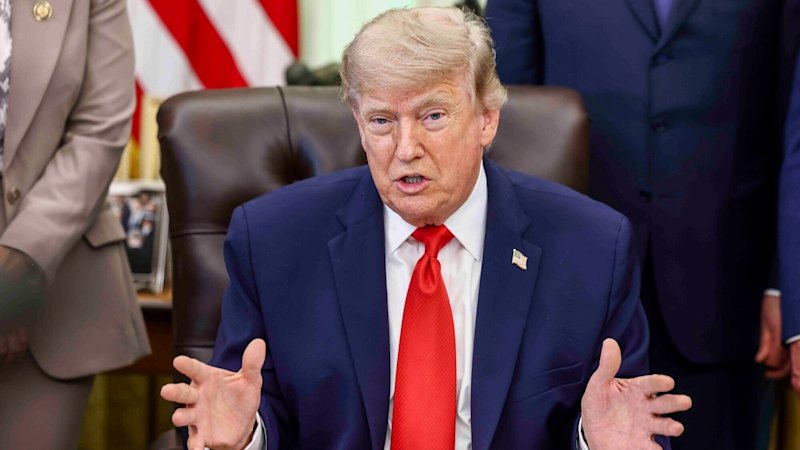
US and Iran Nearing Breakthrough Deal to End War
The United States and Iran are close to signing a deal to end their war, according to three regional officials told The Associated Press. The agreement reportedly includes the destruction of Iranian nuclear material, the reopening of the Strait of Hormuz, and the phased lifting of U.S. sanctions on Tehran.
Why are the U.S. and Iran negotiating a peace deal?
Both nations are seeking to end a conflict that began on February 28 and has severely disrupted global energy markets. According to regional officials, the war virtually shut down oil and natural gas shipments from the Persian Gulf, driving up fuel and food prices worldwide.
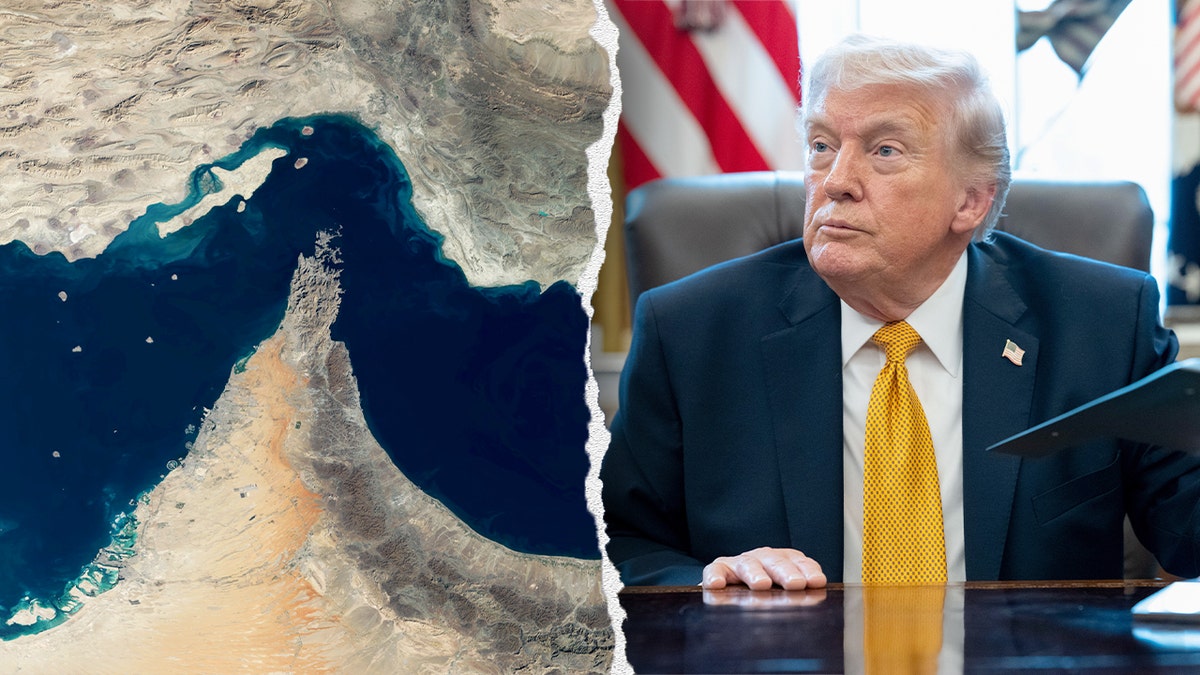
A fragile ceasefire has held since April 7, but recent exchanges of fire between Iran, the U.S., and Israel threatened to spark a full-scale regional war. U.S. President Donald Trump and Iranian Foreign Minister Abbas Araghchi both indicated via social media that a final agreement is now within reach.
What are the key terms of the tentative agreement?
A senior U.S. official told The Associated Press that the deal focuses on the dismantling of Tehran’s nuclear program. Specifically, the terms require the removal and destruction of nuclear material from Iran.

The official also stated that Iran must agree to stop funding terrorist groups. In exchange, regional officials expect the deal to pave the way for the phased lifting of U.S. sanctions and the release of frozen Iranian assets.
While U.S. Vice President JD Vance posted on social media that the deal could lead to “lasting peace,” the process remains volatile. President Trump underscored this fragility on Friday, warning Iranian officials on social media that they “better get their act together, and FAST!”
How does Israel view the potential U.S.-Iran deal?
Israel is not a party to the negotiations, according to Prime Minister Benjamin Netanyahu. While Netanyahu stated he and Trump agree that Iran must not possess nuclear weapons, Israel’s demands go further than the current U.S. framework.
Israeli Defence Minister Israel Katz stated that Israel expects the U.S. to uphold interests including the weakening of Iran’s missile program and its proxy networks. Katz warned that Israel may still act independently and will not withdraw from occupied zones in Lebanon, Syria, Gaza, or the northern West Bank.
This creates a significant diplomatic hurdle. Iran insists that any peace deal must end the fighting between Israel and Hezbollah in Lebanon. Netanyahu, however, remains focused on the total destruction of the militant group.
What role did Pakistan play in the negotiations?
Regional officials identified Pakistan as the primary broker of the deal. The efforts were led by Pakistan’s army chief, Field Marshal Asim Munir, with support from Egypt, Qatar, Saudi Arabia, and Turkey.
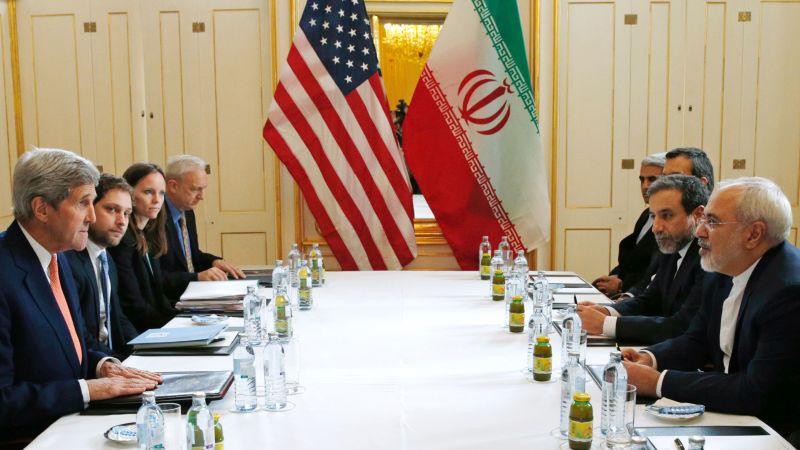
Tahir Andrabi, a spokesperson for Pakistan’s Foreign Ministry, confirmed on Thursday that the country remains involved in the talks. Iranian Foreign Ministry spokesperson Esmail Baghaei told state television that mediators have been active and the text of the deal is “mostly finalised.”
What happens next for global energy and security?
The most immediate impact of a signed agreement would be the reopening of the Strait of Hormuz. This would likely stabilize global oil and gas supplies, potentially lowering fuel prices that spiked during the conflict.
However, a contrast exists between the U.S. and Israeli objectives. While the U.S. focuses on nuclear material and sanctions, Israel is prioritizing the dismantling of “proxy networks.” If the deal ignores these missile and militia concerns, Israel’s threat to act independently could trigger new clashes, regardless of the U.S.-Iran agreement.
Frequently Asked Questions
Will the deal end the war immediately?
Regional officials expect a signing ceremony in the coming days, but the deal’s success depends on final approval from Washington and Tehran.
What happens to Iranian nuclear weapons capabilities?
According to a senior U.S. official, the deal requires the removal and destruction of nuclear material and the dismantling of the nuclear program.
Is Israel part of the agreement?
No. Prime Minister Benjamin Netanyahu has explicitly stated that Israel is not a party to the negotiations.
Who brokered the deal?
The deal was largely brokered by Pakistan, led by Field Marshal Asim Munir, with backing from Saudi Arabia, Turkey, Egypt, and Qatar.
Do you think a deal between the U.S. and Iran can bring lasting stability to the Middle East, or will Israel’s security concerns derail the progress? Let us know your thoughts in the comments below or subscribe to our newsletter for real-time geopolitical updates.