
US and Iran Reach Peace Deal to Reopen Strait of Hormuz
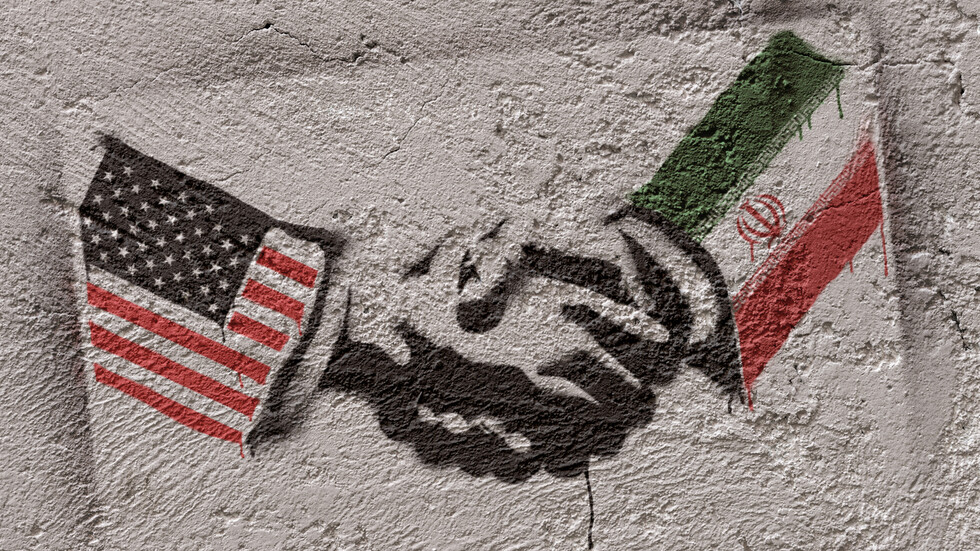
The United States and Iran have reached a peace agreement to end their conflict and reopen the Strait of Hormuz, according to Pakistani Prime Minister Shehbaz Sharif and U.S. President Donald Trump. The deal terminates the U.S. naval blockade and schedules a formal signing ceremony for Friday in Switzerland, per Sky News.
Why is the Strait of Hormuz reopening?
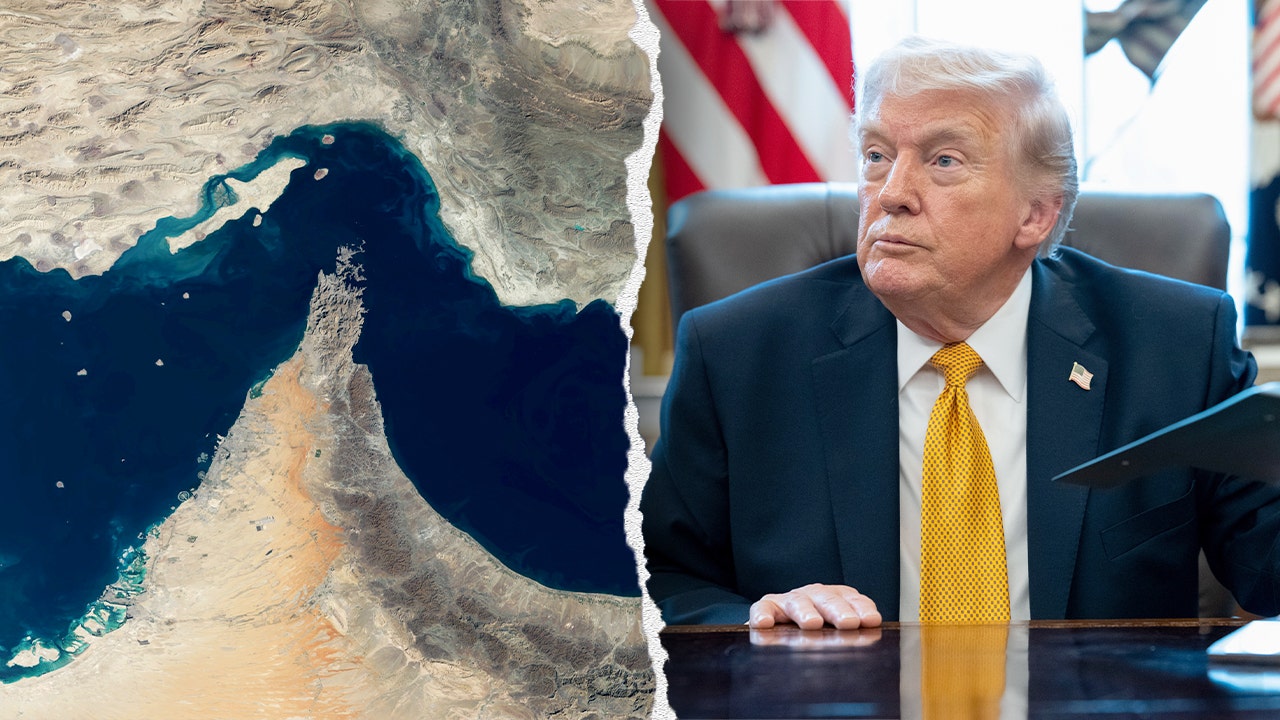
President Donald Trump confirmed the reopening of the strategic waterway via his Truth Social platform, stating the strait will open “free” and the U.S. naval blockade will end. Trump urged ships to “let the oil flow” following months of tension that disrupted global energy supplies.

The blockade of the Strait of Hormuz served as a central flashpoint for over three months. Iran had previously imposed passage restrictions, which the U.S. countered with a naval blockade of Iranian ports. This standoff created significant global economic instability, though oil prices recently dropped to their lowest level in two months following the news of the breakthrough.
What are the terms of the US-Iran agreement?
While full details remain undisclosed, several key pillars of the deal have emerged. The immediate priority is the cessation of hostilities and the restoration of maritime traffic in the Strait of Hormuz.

According to sources cited by Reuters, the draft agreement includes a provision for further negotiations regarding Iran’s nuclear program within the next 60 days. This suggests the current deal focuses on immediate security and economic stability before tackling long-term diplomatic disputes.
The formalization of the deal will take place this Friday in Switzerland, as reported by Sky News. U.S. Vice President JD Vance confirmed his plan to attend the ceremony, while noting that President Trump may also attend.
How did Pakistan broker the peace deal?
Pakistani Prime Minister Shehbaz Sharif acted as the primary mediator between Washington and Tehran. Sharif was the first to announce the agreement, utilizing Pakistan’s unique diplomatic position to bridge the gap between the two powers.
This success follows a rocky diplomatic path. Reuters reported that as early as April 2026, Pakistan proposed a two-stage plan starting with an immediate ceasefire. That initial effort led to a temporary two-week truce, but it collapsed when Iran accused the U.S. of violating terms by maintaining its naval blockade on Iranian ports.
- April 2026 Effort: Resulted in a 14-day truce; failed because the U.S. blockade remained in place.
- Current Agreement: Specifically mandates the end of the U.S. naval blockade to ensure a permanent opening of the Strait.
What happens next for global oil markets?
Market volatility is expected to decrease as the threat of a prolonged blockade recedes. However, the exact timeline for the full restoration of traffic through the strait remains unclear.
Analysts suggest that the 60-day window for nuclear talks will be the next critical period for investors. If the U.S. and Iran cannot reach a consensus on nuclear capabilities, the regional stability gained from reopening the strait could be temporary.
Frequently Asked Questions
When will the agreement be signed?
The signing ceremony is scheduled for Friday in Switzerland, according to Sky News.
Will Iran’s nuclear program be addressed?
Yes. Reuters reports that the agreement provides for discussions on the nuclear program within 60 days.
Who was the key mediator in the talks?
Pakistani Prime Minister Shehbaz Sharif served as the primary mediator between the U.S. and Iran.
What happens to the U.S. naval blockade?
President Trump stated on Truth Social that the naval blockade of Iranian ports will be terminated.
Stay updated on Middle East diplomacy. Do you think this agreement will hold, or is it another temporary truce? Let us know in the comments below or subscribe to our newsletter for real-time geopolitical analysis.