
US and Iran Sign Peace Deal to End Hostilities
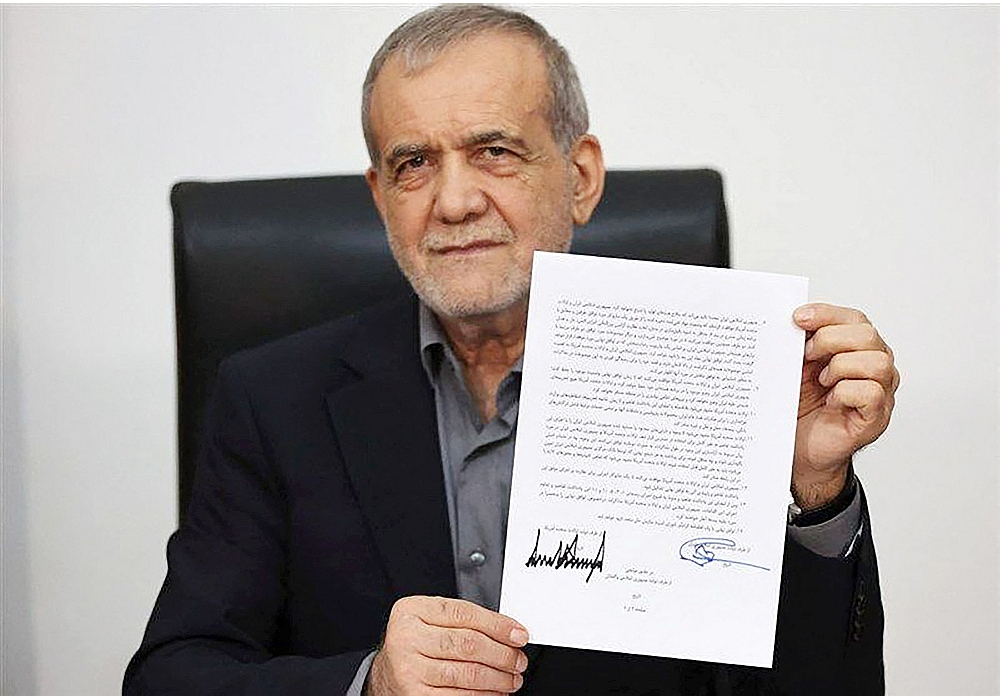
The United States and Iran signed a 14-point memorandum of understanding on Wednesday to end hostilities, according to the document and reports from Iranian state media. The agreement establishes a ceasefire on all fronts, outlines a $300 billion economic recovery plan for Iran, and mandates the lifting of sanctions in exchange for nuclear restrictions.
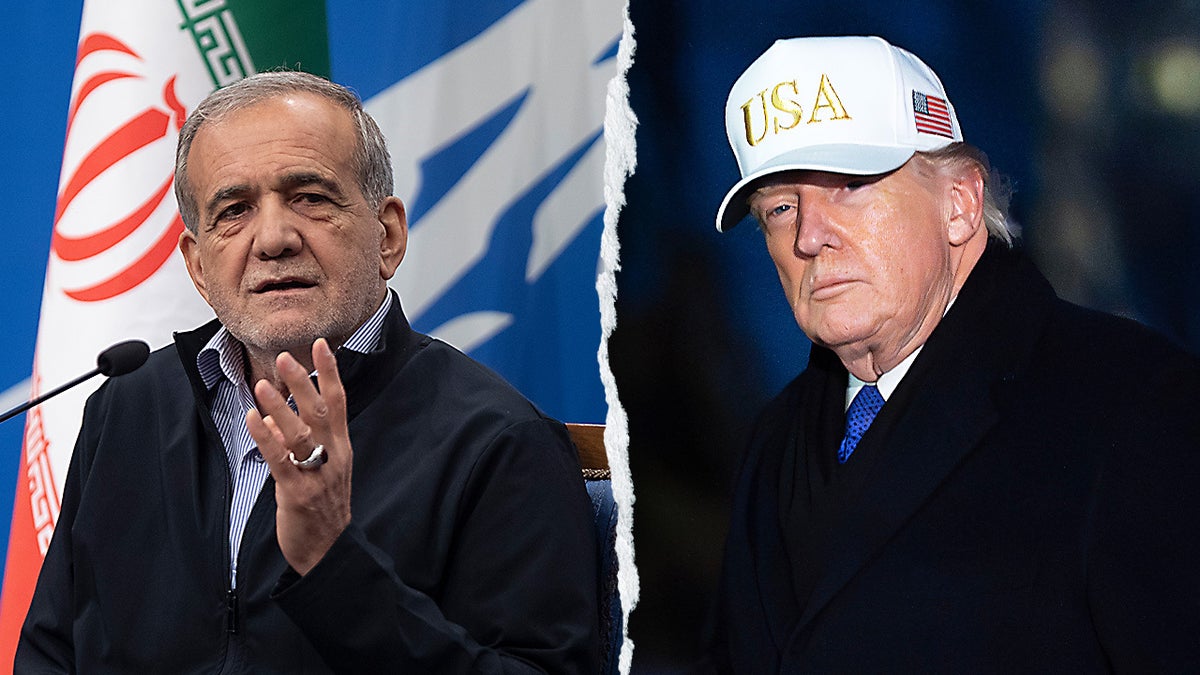
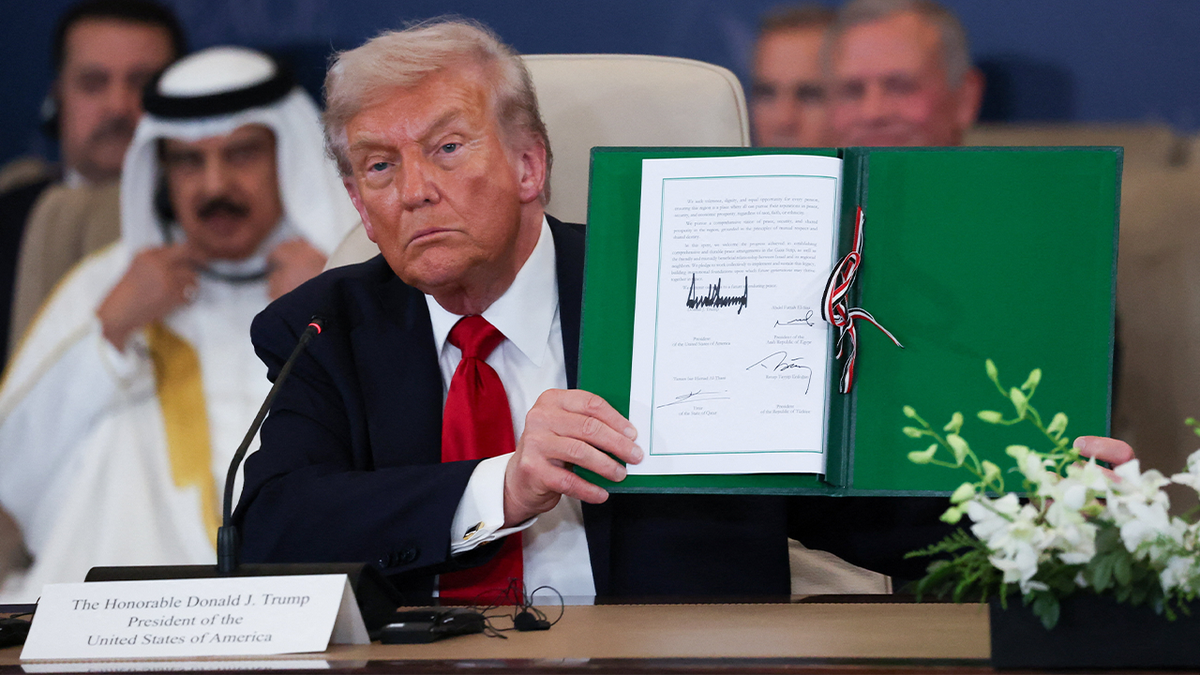
President Trump signed the document Wednesday evening at the Palace of Versailles during dinner with French President Emmanuel Macron following a G7 summit. Iranian state media reported that President Masud Pezeshkian also signed the agreement, moving the timeline up from a planned Friday signing in Switzerland.
What are the economic terms of the US-Iran agreement?
The agreement includes a plan to invest at least $300 billion (€260 billion) into the restoration of the Iranian economy, according to point 6 of the document. US officials stated that Washington does not plan to contribute its own funds to this mechanism, which must be finalized within 60 days.
Trade and logistics will see immediate changes. The US pledged to end the blockade of Iranian ports within 30 days, while Iran committed to ensuring uninterrupted shipping in the Strait of Hormuz. CNN reports that shipping through the strait will remain free of fees for the first 60 days.
The memorandum also requires the unblocking of frozen Iranian assets, though the specific procedure for this remains undecided. Additionally, Washington will suspend sanctions on the export of Iranian oil and oil products.
How does this deal differ from the 2015 nuclear agreement?
The Associated Press concludes that the current memorandum offers Iran significantly more benefits than the 2015 deal brokered under President Barack Obama. While the 2015 agreement traded sanctions relief for nuclear restrictions, the new document allows Iran to trade oil freely and removes all US and UN sanctions.
Under the new terms, Iran agrees not to acquire nuclear weapons. The document specifies that the “dilution” of enriched uranium will occur under the supervision of the International Atomic Energy Agency (IAEA). US officials noted that the lifting of sanctions is tied directly to Iran’s actions regarding its nuclear materials.
What are the security implications and regional risks?
The parties agreed to a ceasefire on all fronts, including Lebanon, where Israel has fought the Iranian-backed Hezbollah. However, Israel stated it will continue to defend itself and does not intend to withdraw from territories it holds in southern Lebanon.
Point 2 of the document mandates that both nations respect each other’s sovereignty and avoid interfering in internal affairs. The BBC suggests this could be viewed negatively by Iranian dissidents, especially after Trump previously promised assistance to protesters in Iran earlier this year.
What happens next for the US and Iran?
The two nations are expected to negotiate a final peace treaty within 60 days, a deadline that could be extended if both sides agree. This final treaty will likely establish the exact schedule for the removal of all UN and US sanctions.

The agreement may face domestic hurdles in the US. Senator Bill Cassidy of Louisiana called the deal the “biggest foreign policy mistake” of the last decade, arguing that it fails to limit nuclear ambitions and rewards the threat of closing the Strait of Hormuz.
The final agreement will eventually require confirmation by the UN Security Council. In the interim, both parties have agreed to maintain the status quo regarding Iran’s nuclear program while the US refrains from introducing new sanctions.
Frequently Asked Questions
Who signed the memorandum of understanding?
The document was signed by the US President at the Palace of Versailles and by Iranian President Masud Pezeshkian, according to the source and Iranian state media.
How much money is allocated for Iran’s economic recovery?
The agreement outlines a plan for at least $300 billion (€260 billion) for economic restoration, though US officials stated the US government will not provide this money directly.
What is the status of the Strait of Hormuz under this deal?
Iran has committed to ensuring uninterrupted shipping, and for the first 60 days, no fees will be collected. A broader agreement involving Oman and other regional states is expected in the long term.
Do you believe the economic benefits of this agreement outweigh the security concerns raised by critics?