

US DOE Announces $17.5 Billion in Loans to Boost Nuclear Energy Supply Chain
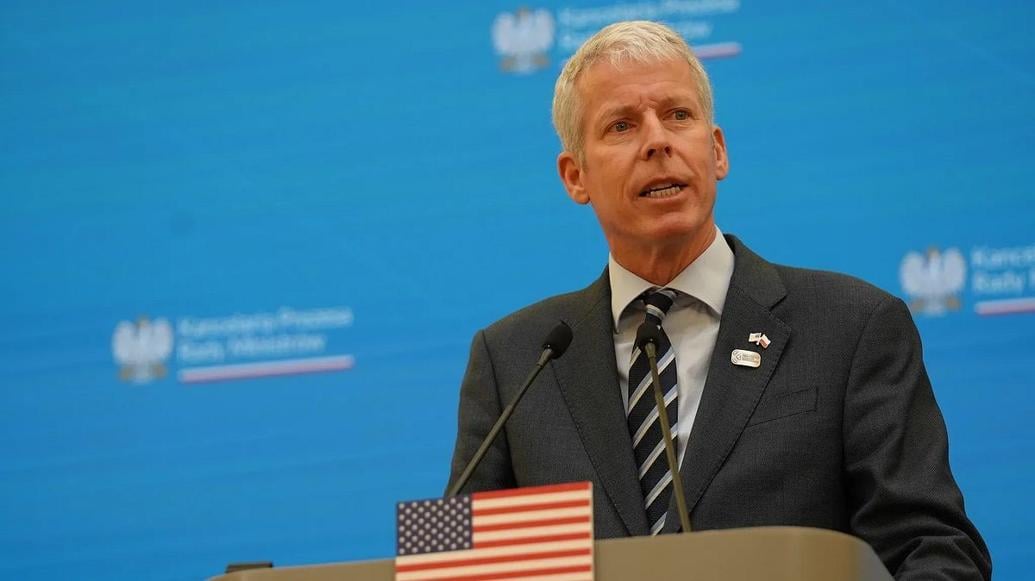
The U.S. Department of Energy announced $17.5 billion in conditional loans Tuesday to strengthen the commercial nuclear supply chain. Energy Secretary Chris Wright stated the funding aims to help the U.S. start 10 new large-scale reactors by 2030, which could accelerate the current timeline by three years.
These loans target the acquisition of “long-lead” components, including steam generators and reactor vessels. According to Wright, these items often take years to procure, and securing them now could reduce construction times for AP1000-type plants.
How will the $17.5 billion in loans be distributed?
The Office of Energy Dominance Financing, formerly the Loan Programs Office, will guarantee up to five loans. Each loan will support two Westinghouse reactors with a capacity of 1.1 gigawatts per project site.
Westinghouse will partner with up to five utilities or energy companies to acquire these reactors at a fixed price. Secretary Wright confirmed that seven utilities have already expressed interest, though he declined to name the companies or project locations.
To access the DOE funds, both Westinghouse and its utility partners must first commit $500 million each to the project. Wright described the initiative as a non-risky venture.
Why is there a sudden push for nuclear expansion?
Wright attributed the surge in interest to “hyperscalers”—technology giants managing global cloud computing and AI infrastructures. These companies require massive amounts of electricity to power AI capabilities, driving up national energy demand.
This announcement follows a separate $80 billion agreement between the DOE and Westinghouse owners, including Brookfield Asset Management and Cameco. Under that deal, the government provides financing and permitting assistance in exchange for 20% of future profits.
The broader goal, according to the source, is for President Donald Trump to quadruple U.S. nuclear capacity to 400 gigawatts by 2050. This target comes despite a history of nuclear projects facing complex regulations and high capital costs compared to natural gas or renewables.
What happens next for U.S. nuclear plants?
The government may see a revival of dormant sites. Three closed plants—Palisades in Michigan, Duane Arnold in Iowa, and Three Mile Island in Pennsylvania—are expected to restart in the coming years.
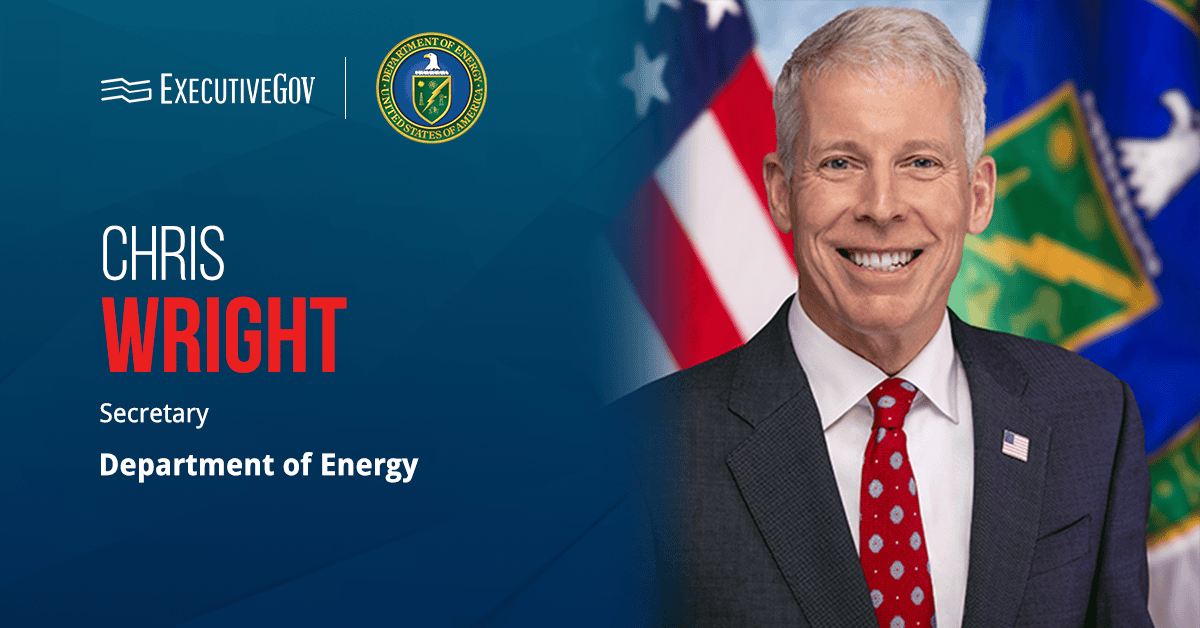
Secretary Wright stated the DOE expects the costs and timelines for these restarts to “surpass largement” (greatly exceed) the performance of the Vogtle plant in Georgia. The Vogtle project became a cautionary tale for the industry, finishing seven years late and billions over budget.
Connor Teskey, managing director of Brookfield, said the loans act as a catalyst. He stated the funding provides the certainty needed to rebuild the national supply chain and ensure reliable base-load power for decades.
Frequently Asked Questions
How many new reactors does the DOE want to start by 2030?
The goal is to put 10 new large-scale reactors into construction by 2030.
What is the financial requirement for utility partners?
Each utility partner and Westinghouse must commit $500 million before accessing DOE financing.
Which specific components are these loans intended to fund?
The loans are for “long-lead” items, specifically naming reactor vessels and steam generators.
Do you believe the demand from AI data centers will be enough to overcome the historical cost overruns of nuclear construction?