

US draft resolution at IAEA demands Iran open up on sites, uranium stocks
The U.S. is lobbying the IAEA Board of Governors to pass a draft resolution demanding Iran account for its bombed nuclear sites and the fate of 440.9 kg of 60% enriched uranium. According to Reuters, this push for transparency risks destabilizing current ceasefire extension talks between Washington and Tehran.
Why is the U.S. demanding a new IAEA resolution?
Washington wants a formal accounting of what happened to nuclear materials and facilities after military strikes. The U.S.-drafted text, seen by Reuters on Sunday, requires Iran to provide “precise information on nuclear material accountancy and safeguarded nuclear facilities.”
The resolution describes these steps as “essential and urgent,” demanding that Iran grant the agency all necessary access to verify the information “without delay.” This follows a period where the IAEA has had no access to the sites bombed by the U.S. and Israel.
While the draft is circulating, it isn’t a guaranteed vote. However, it signals a clear intent to force Tehran’s hand on transparency regarding its remaining nuclear stockpiles.
How could this move complicate U.S.-Iran ceasefire talks?
The timing is precarious. Washington and Tehran are currently in talks to extend a ceasefire and establish a path toward broader negotiations on Iran’s nuclear program. President Donald Trump has stated his primary goal is to ensure Iran cannot develop nuclear weapons.
History suggests that resolutions often trigger retaliation. According to Reuters, Iran typically responds to IAEA resolutions by scaling back cooperation or escalating its nuclear activities. This creates a diplomatic paradox: the U.S. is seeking a ceasefire while simultaneously pushing a resolution that Iran views as antagonistic.
What is the status of Iran’s enriched uranium?
Although strikes in June 2025 destroyed or heavily damaged enrichment facilities, much of the enriched uranium is believed to have survived. The U.S. specifically wants the removal of the 440.9 kg of uranium enriched to 60% purity.
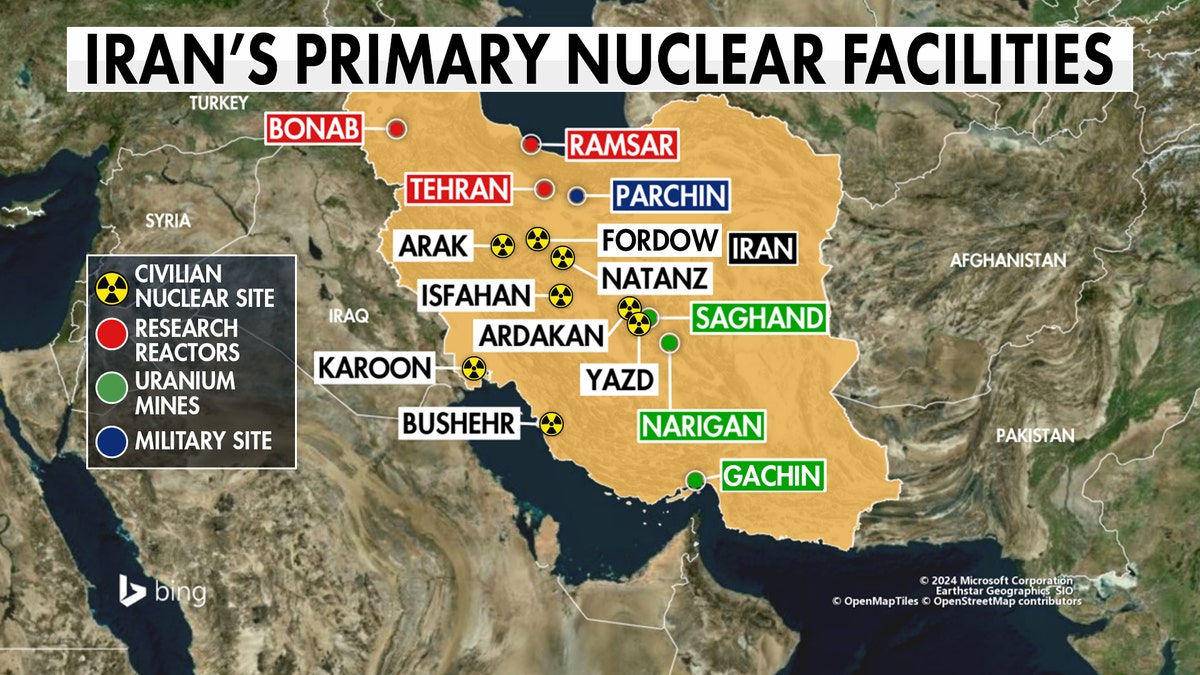
This specific stockpile is a critical flashpoint. Because 60% is only a short technical step away from the 90% purity required for weapons-grade material, the U.S. views its presence as an unacceptable risk to regional security.
Will Russia and China support the resolution?
It is unlikely. Russia and China have opposed all recent resolutions targeting Iran. Russia’s ambassador to the IAEA told reporters on Friday that such a resolution would only serve to antagonize Tehran.
The Russian ambassador argued that the United States is the party that “undermined this cooperation,” pointing out that the IAEA maintained access to Iranian sites until the bombing campaigns began. This divide within the Board of Governors highlights the geopolitical struggle over how to handle Iran’s nuclear ambitions.
Comparing the 2025 and 2026 IAEA Approaches
| Feature | June 2025 Resolution | June 2026 Draft |
|---|---|---|
| Primary Action | Declared Iran in breach of obligations | Demands precise material accountancy |
| Outcome/Goal | Preceded military strikes | Seeks verification of bombed sites |
| UNSC Referral | Linked to broader breaches | Currently avoided in the draft |
Frequently Asked Questions
What does the IAEA do?
The International Atomic Energy Agency (IAEA) is the U.N. nuclear watchdog responsible for verifying that nuclear programs are used for peaceful purposes and not for weapons.
Why is 60% uranium purity a concern?
According to IAEA data, 60% purity is very close to the 90% threshold for weapons-grade uranium, meaning it can be converted into a nuclear weapon much faster than low-enriched uranium.
When did the bombing of Iranian sites start?
According to Reuters, Israel began bombing Iran’s nuclear sites on June 13, 2025, one day after an IAEA resolution declared Iran in breach of its obligations.
Stay Informed on Global Security
Do you think the U.S. should prioritize the ceasefire or nuclear transparency? Let us know in the comments below or subscribe to our newsletter for real-time updates on the Iran-U.S. negotiations.