
US Envoys Head to Switzerland for Iran Nuclear Deal Talks
US envoys Steve Witkoff and Jared Kushner are coordinating negotiations with Iran in Switzerland following a remotely signed Memorandum of Understanding (MoU) between Presidents Donald Trump and Masoud Pezeshkian. According to CNN Indonesia, the agreement includes 14 points aimed at ending regional conflicts, lifting sanctions, and providing compensation for war damages.
Why are US and Iranian envoys meeting in Switzerland?
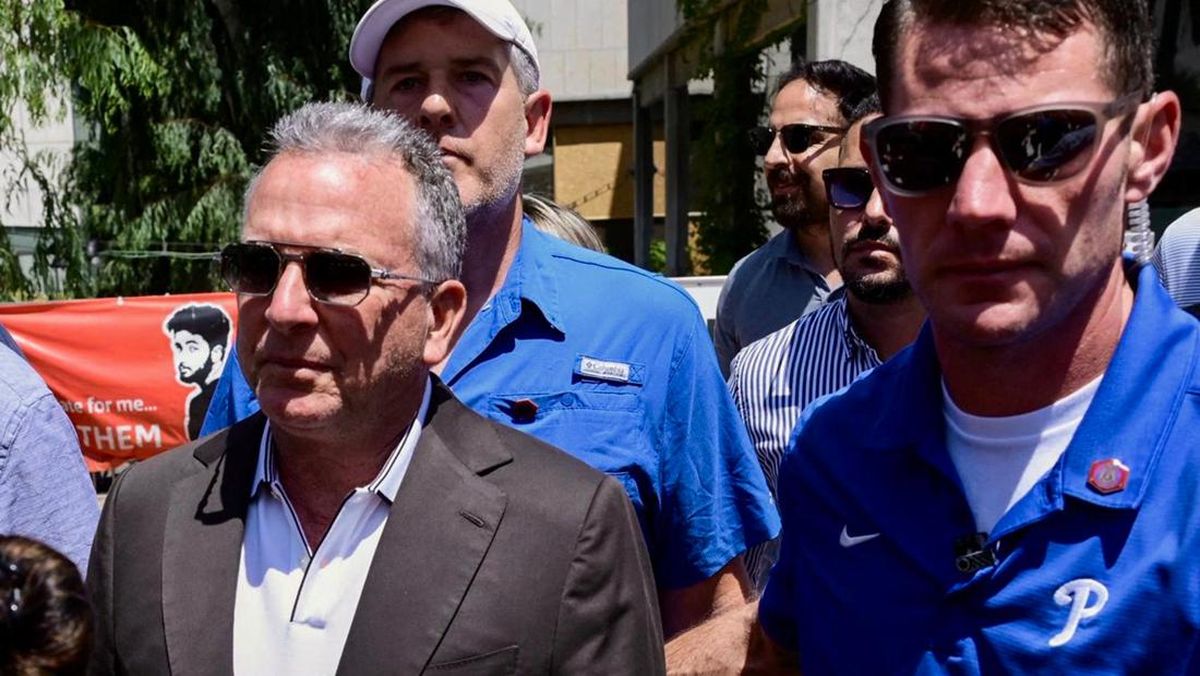
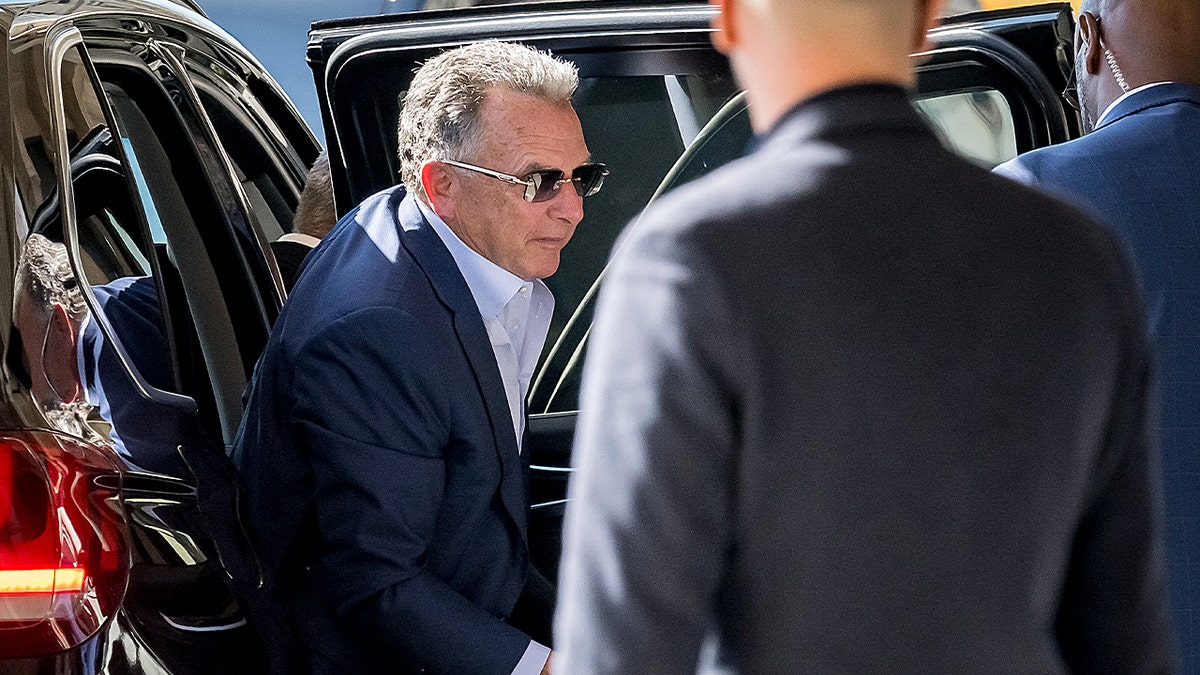
US envoy Steve Witkoff is traveling to Switzerland to negotiate a potential nuclear deal with Iran. Axios reports that another Trump administration envoy, Jared Kushner, has already arrived in the country. These meetings follow a period of scheduling volatility.
The Swiss Foreign Ministry previously announced that a meeting between the two delegations scheduled for Friday, June 19, was postponed. While the formal gathering stalled, the diplomatic push continues through these high-level envoys.
What are the terms of the Trump-Pezeshkian agreement?
The Memorandum of Understanding consists of 14 specific points. According to CNN Indonesia, the primary goals include a commitment to end wars across all fronts, with a specific mention of the conflict in Lebanon.
The agreement also outlines the removal of blockades and the lifting of US sanctions against Iran. Additionally, the MoU includes a commitment to compensate Iran for damages incurred during wartime.
Comparing the Remote Signing vs. Formal Meeting
There is a clear contrast in how this deal is being executed. The leadership reached an agreement rapidly via remote signing on June 17, yet the operational side—the formal signing and diplomatic meetings—has faced delays. This suggests a disconnect between political will at the top and the logistical reality of diplomatic implementation.
Why was the formal signing postponed?
Logistical hurdles disrupted the planned June 19 event. A White House spokesperson told Reuters that Vice President JD Vance did not fly to Switzerland as originally intended, though the administration did not provide a specific reason for the change in plans.
“Logistics from these negotiations are never simple or predictable,” the spokesperson stated, via Reuters.
What happens next for US-Iran relations?
The success of the current Swiss talks depends on whether the 14 points of the MoU can be translated into a binding nuclear agreement. The precedent for such deals is often fragile; previous attempts at nuclear diplomacy have frequently collapsed over the specifics of sanctions relief and verification timelines.
If Witkoff and Kushner secure a formal signing, it would mark a significant shift in regional stability, particularly regarding the cessation of hostilities in Lebanon and the reintegration of the Iranian economy into global markets.
Frequently Asked Questions
Who are the primary US negotiators in Switzerland?
Steve Witkoff and Jared Kushner are the key envoys representing the Trump administration.
What was the date of the initial MoU signing?
The MoU was signed remotely on Wednesday, June 17.
Which countries are mentioned as part of the peace agreement?
The agreement specifically mentions ending wars on all fronts, including Lebanon.
Why didn’t JD Vance attend the meeting?
The White House cited “logistics” as the reason for the Vice President’s absence, according to Reuters.
Want to stay updated on global diplomacy?
Share your thoughts on this potential deal in the comments below or subscribe to our newsletter for real-time geopolitical analysis.