

US Forces Intercept Iranian Missile and Drone Attacks in Persian Gulf
American military forces have successfully neutralized a series of aerial threats in the Persian Gulf, marking a significant development in a regional conflict that has now persisted for nearly 100 days. The engagement, which involved both missile and drone interceptions, highlights the ongoing volatility in a region where tensions remain elevated with no clear resolution in sight.
Operational Details of the Engagement
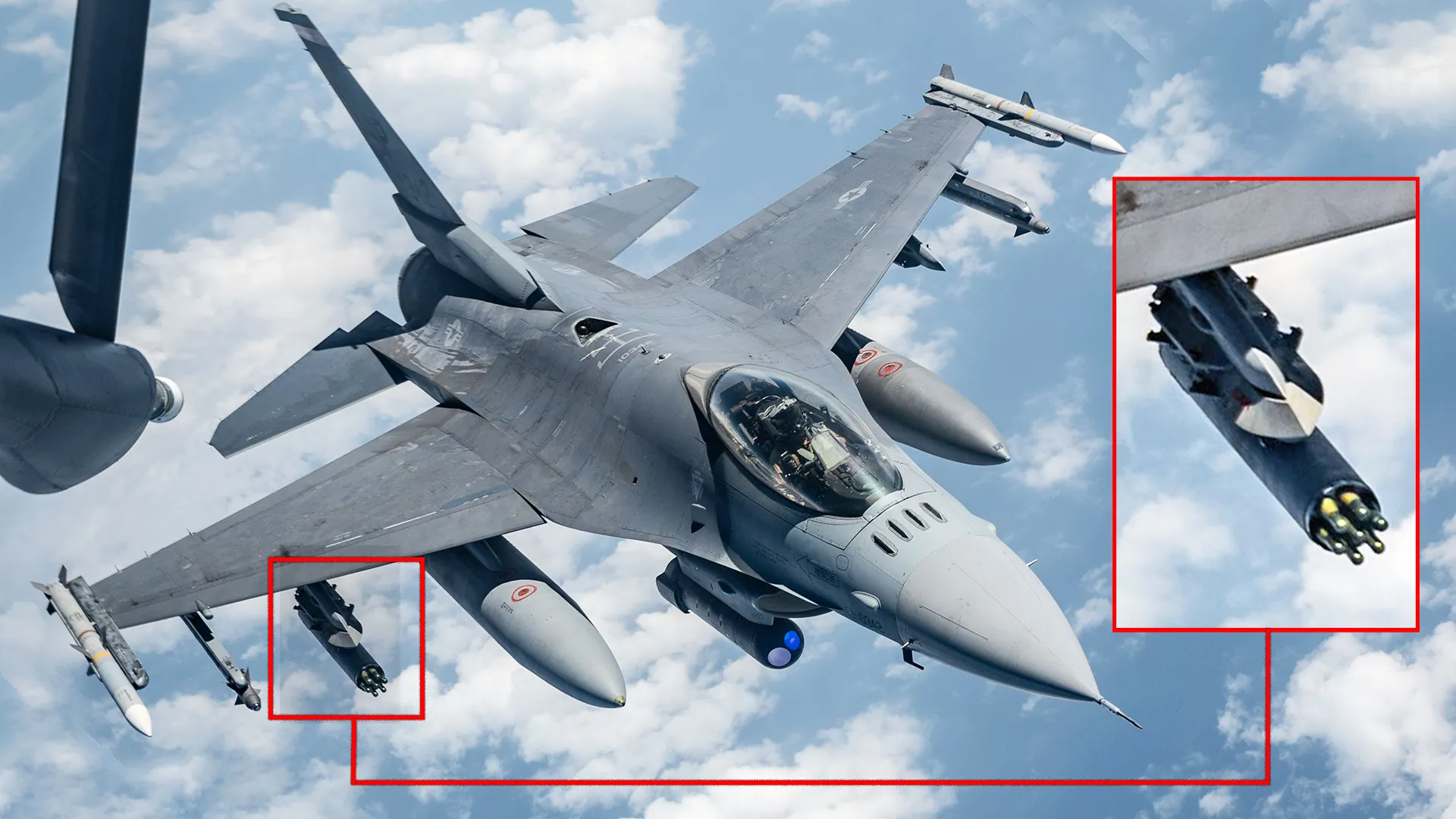
The incident involved a coordinated launch of ballistic missiles and drones aimed at regional targets. According to an official statement released by U.S. Central Command on X late Friday, American forces acted to intercept these projectiles as they moved toward Bahrain and Kuwait. In total, six ballistic missiles were intercepted, while a seventh failed to reach its intended target.
Implications for Regional Stability
The interception of these weapons underscores the precarious nature of the current security environment in the Persian Gulf. As the conflict continues to simmer, the ability of U.S. Forces to mitigate incoming threats is critical to maintaining the status quo. The situation remains fluid and the continuous nature of these hostilities suggests that regional stakeholders will likely remain in a state of high alert for the foreseeable future.
Looking Ahead
Given the current trajectory, analysts expect that the Persian Gulf will remain a focal point for military and political scrutiny. Future developments may depend on whether the involved parties choose to maintain current defensive postures or if the intensity of the conflict necessitates further tactical or strategic shifts. As long as the underlying tensions persist without a resolution, the risk of further cross-border engagements remains a significant factor for regional stability.
Frequently Asked Questions
What specific action did U.S. Forces take in the Persian Gulf?
U.S. Central Command reported that American forces intercepted a series of Iranian missile and drone attacks directed toward Bahrain and Kuwait.
How many missiles were involved in the recent engagement?
According to U.S. Central Command, six ballistic missiles were intercepted, and a seventh failed to reach its intended target.
What is the current status of the conflict?
The conflict has been ongoing for nearly 100 days and continues to simmer with no immediate resolution in sight.
How do you assess the long-term economic impact of prolonged regional instability on global trade routes?