

US-Iran Agreement: Latest Updates on the Nuclear Deal and Strait of Hormuz Tension
The U.S.-Iran Diplomatic Shift: Regional Security and Maritime Stability
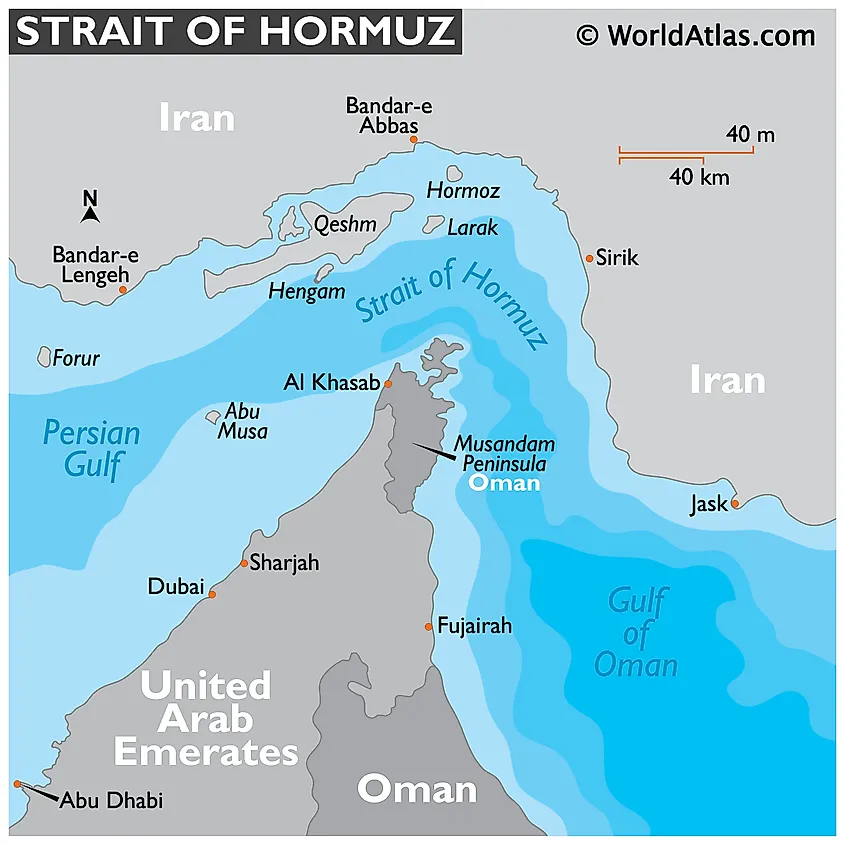
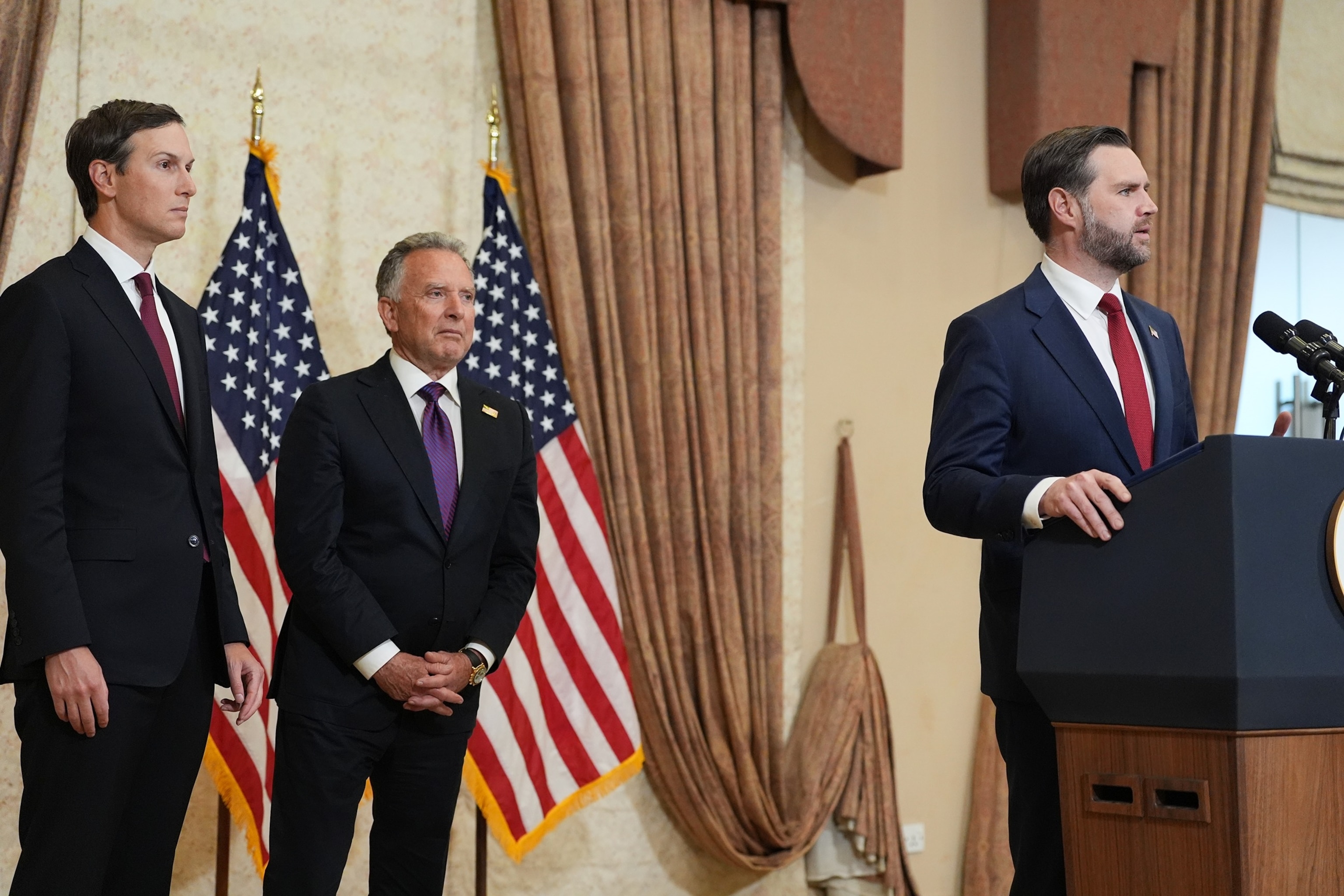
The United States and Iran have reached a preliminary agreement aimed at de-escalating tensions, with a formal memorandum of understanding expected to be signed in Geneva this Friday. While the agreement has initiated a reduction in maritime transit restrictions in the Strait of Hormuz, U.S. intelligence officials remain skeptical regarding Iran’s long-term nuclear intentions, according to reports from U.S. media. The deal, described by Vice President JD Vance as a concise document lacking detailed operational specifics, serves as a 60-day ceasefire that observers suggest could face repeated renewals.
How is the international community responding to the agreement?
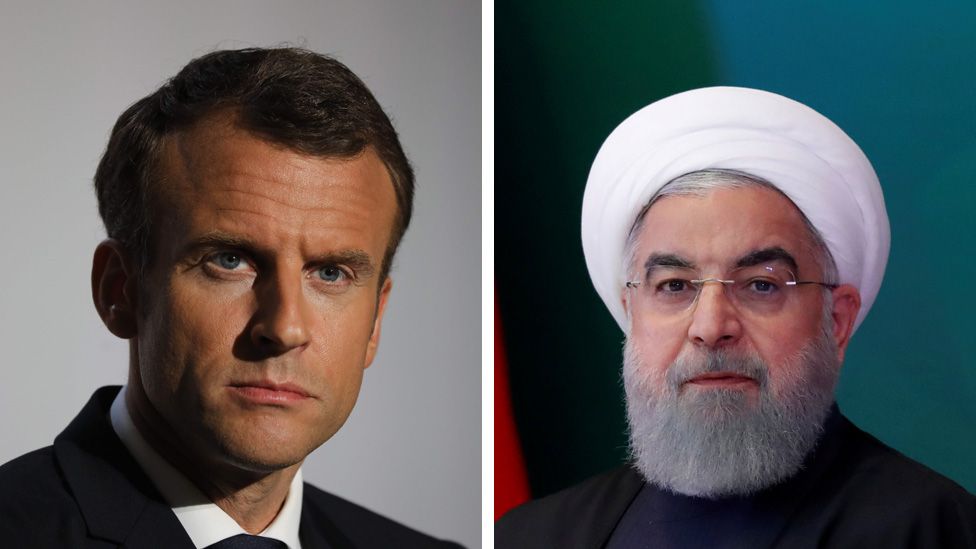
International leaders are moving to secure vital maritime corridors despite ongoing regional instability. French President Emmanuel Macron confirmed at the G7 summit that France is proceeding with plans for a European-led naval mission in the Strait of Hormuz. This initiative aims to ensure the freedom of navigation for commercial vessels, a move that persists even as military operations continue elsewhere in the Middle East. According to the Lebanese Ministry of Health, despite a slight decline in the intensity of Israeli airstrikes following the U.S.-Iran announcement, the conflict has resulted in 3,798 civilian deaths and over 11,000 injuries since early March.
What are the primary criticisms of the U.S.-Iran deal?
Critics argue that the current framework lacks the transparency and depth required for a lasting regional settlement. The editorial board of the Wall Street Journal characterized the agreement as a retreat for the Trump administration, suggesting that domestic political pressures have forced a pivot away from original policy objectives. Vice President Vance acknowledged in a CNN interview that the current text is only “a page and a half” long and omits key operational details. This contrasts with the administration’s stated goal of a comprehensive resolution, leading to speculation from analysts that the U.S. may be entering a de facto partnership with Tehran to avoid broader military risks.
The U.S. administration has suggested that full details of the agreement may be released within 48 hours, even though top-level representatives from both nations have already reportedly signed the document electronically.
Military operations in the West Bank
While diplomatic efforts focus on the Gulf, internal security operations in the West Bank remain active. The Israel Defense Forces (IDF) reported the destruction of 18 lathes used for weapons production in the Balata camp and Ras al-Ain areas near Nablus. These operations, conducted by the Yahalom unit and the 967th reserve battalion, targeted infrastructure located within civilian zones. Additionally, the IDF announced a scheduled military exercise in the northern West Bank, warning residents to expect loud noises and increased security movement, while clarifying that these maneuvers are not related to an immediate security incident.
Frequently Asked Questions
Is the U.S.-Iran agreement final?
No. The current agreement is a preliminary memorandum set to be signed in Geneva this Friday, acting as a 60-day ceasefire that experts, including those cited by the Wall Street Journal, believe may be renewed multiple times.
Why is the European Union planning a naval mission?
Following confirmation from President Macron at the G7, the European mission is designed to protect commercial shipping routes in the Strait of Hormuz, ensuring that global trade remains unaffected by regional geopolitical friction.
What is the current status of the conflict in Lebanon?
According to the Lebanese Ministry of Health, the intensity of Israeli air raids decreased following the U.S.-Iran announcement, though the total casualty count remains high. The Lebanese army has advised residents to delay returning to southern regions until roads are cleared of mines and debris.
Stay informed on the latest developments in international diplomacy and regional security by subscribing to our newsletter for daily briefings.