
US-Iran Deal: Securing the Strait of Hormuz and Global Energy Security
The US-Iran memorandum of understanding signed to de-escalate tensions in the Strait of Hormuz signals a shift toward stabilizing global energy flows, according to Chinese Foreign Ministry spokesman Lin Jian. By securing the transit of approximately 15 million barrels of crude oil per day—34% of global seaborne trade—the agreement aims to mitigate the volatility that previously surged insurance premiums and freight costs, as reported by the International Energy Agency (IEA).
Why is the Strait of Hormuz critical to global energy security?
The Strait of Hormuz serves as the world’s most vital energy corridor, acting as the primary artery for oil and liquefied natural gas (LNG) moving from the Gulf to Asian markets. Data from the IEA confirms that nearly one-fifth of the world’s LNG trade passes through these waters, with 83% of that supply destined for Asia. When conflict disrupts this chokepoint, the impact is immediate: global oil prices fluctuate, and central banks face renewed pressure from imported inflation. For nations like China, India, Japan, and South Korea, the stability of this waterway is not merely a diplomatic preference but a fundamental requirement for industrial and economic operations.

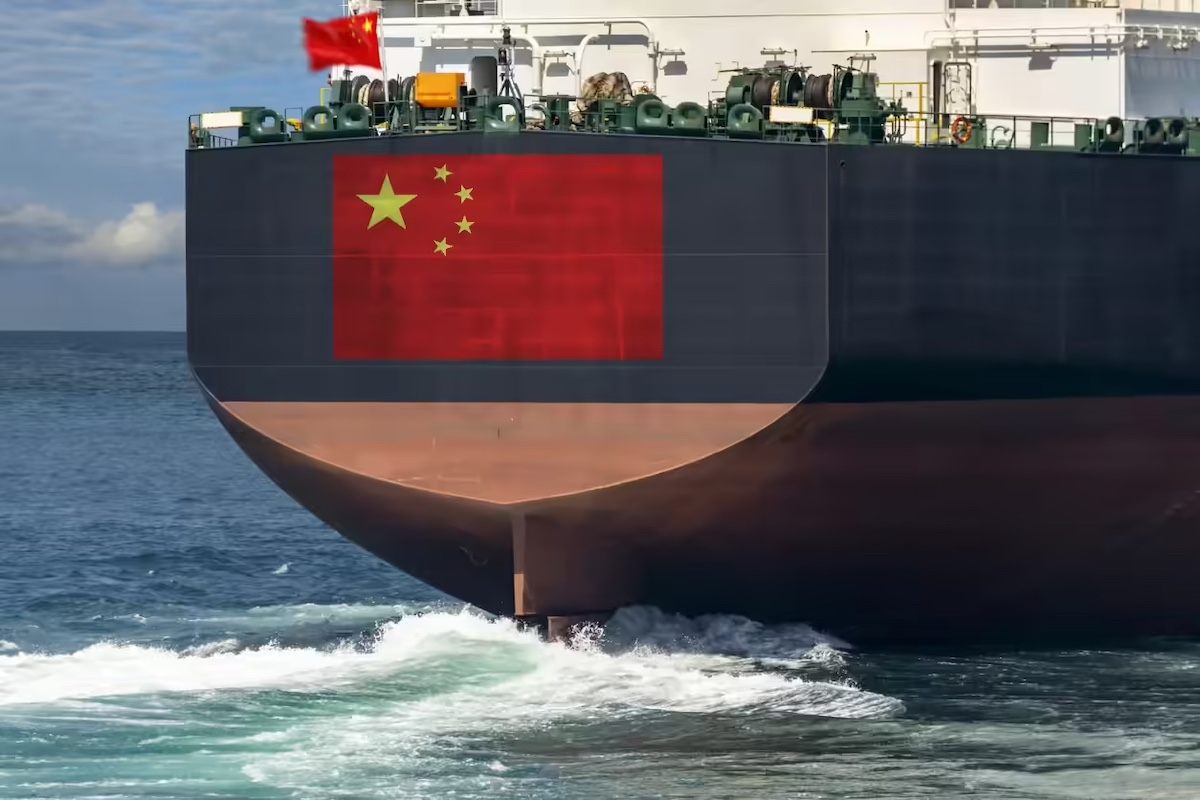
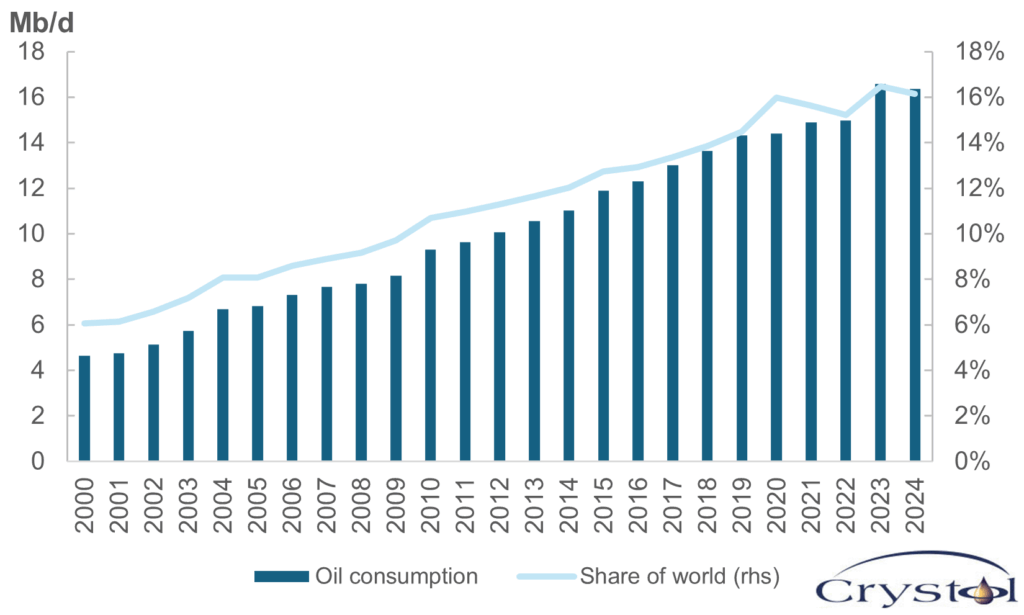
About 50% of China’s total crude oil imports transited the Strait of Hormuz in 2025, a figure that highlights why Beijing views regional stability through the lens of commerce rather than military posturing.
How does the new memorandum influence regional investment?
The agreement introduces a proposed $300 billion private Reconstruction and Development Fund, which is designed to channel capital into Iranian energy, logistics, and transport infrastructure. According to reports, more than 50% of this capital has already been pledged by companies across the Gulf, Asia, and South America. Unlike government-funded programs, this structure relies on commercial incentives to maintain peace. By tethering private profit to regional stability, the fund creates a financial deterrent against the renewal of hostilities, as investors prioritize the protection of their assets in the energy and logistics sectors.
What are the long-term strategic implications for Asia?
While the US-Iran memorandum provides immediate sanctions relief, its most significant long-term consequence may be the consolidation of Asian economic influence in the Middle East. China has spent the last decade building a network of ports, industrial parks, and energy partnerships under the Belt and Road Initiative, including a 25-year comprehensive cooperation agreement with Iran. Experts like Dr. Hriday Sarma, a senior fellow at the South Asia Democratic Forum, suggest that Beijing is well-positioned to convert these secure energy supplies into enduring regional influence. By avoiding direct military involvement while benefiting from the restored safety of the Strait, China’s strategy shifts from cautious hedging to the accumulation of long-term economic dividends.
Monitor the progress of the $300 billion private fund. If large-scale infrastructure projects begin in Iran’s energy sector, it serves as a reliable barometer for the durability of the current US-Iran political understanding.
Frequently Asked Questions
Why did the US agree to this memorandum?
Washington sought to prevent a prolonged disruption in the Strait of Hormuz, which risked reviving inflation and delaying interest-rate cuts. The deal aims to stabilize global oil markets and reduce the economic drag caused by high freight and insurance costs.
Does this agreement solve the nuclear dispute?
No. The memorandum is an interim political understanding focused on energy and commerce. It does not replace a comprehensive peace settlement, and future negotiations regarding nuclear commitments remain subject to potential volatility.
Which countries benefit most from the deal?
While the agreement provides relief to Gulf exporters and shipping companies, the primary beneficiaries are energy-importing nations in Asia—specifically China, India, Japan, and South Korea—which rely on the Strait for consistent fuel supplies.
What does the reopening of the Strait of Hormuz mean for your local energy costs? Join the conversation in the comments below or subscribe to our newsletter for updates on global trade and energy policy.