
US-Iran Peace Deal: J.D. Vance Outlines Terms for Regional Security
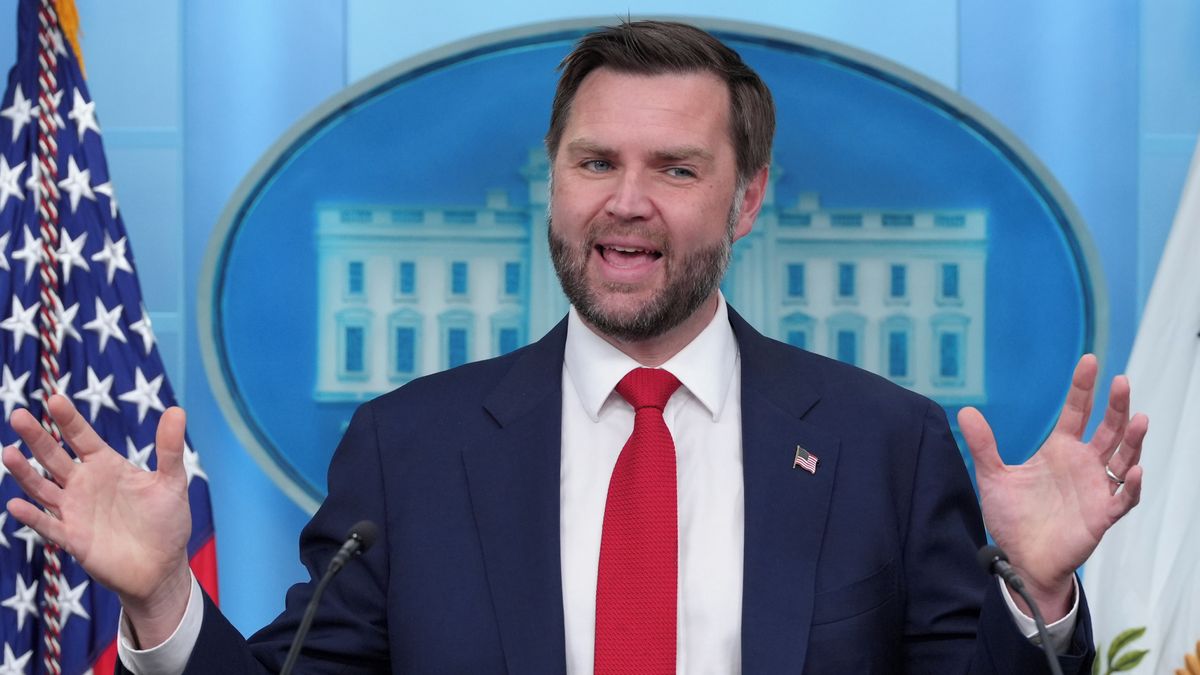
More than 12.5 million barrels of oil and approximately 12 tankers have passed through the American naval blockade, according to Vice President J.D. Vance. The move aims to prevent the strait from serving as a “bottleneck” for the global economy, as international waterways should remain toll-free, Vance stated.
How much shipping traffic is currently in the strait?
Data from MarineTraffic shows more than 250 tankers and over 330 cargo ships are currently in the vicinity of the strait. The actual number of vessels is likely higher because some ships do not broadcast their positions, making them invisible to tracking company data.
Iranian forces have not attacked any vessels in the strait for the last two days, according to the BBC.
What are the terms of the proposed peace agreement with Iran?
Vice President Vance stated that the U.S. holds “all the trumps” in negotiations, meaning Iran must provide necessary concessions to benefit from a peace deal. He claimed Tehran’s nuclear program, conventional military forces, and ability to threaten neighboring countries are “still destroyed.”
A recovery fund of $300 billion is available to Iran, but Vance clarified this is only if the country complies with specific conditions and changes its behavior. While the U.S. does not require Iran to forfeit its right to self-defense, it expects Iran to possess no missiles that threaten the global community.
How will the Trump administration handle sanctions and Congress?
The Trump administration plans to inform Congress about Iran shortly. However, the administration believes it can temporarily lift sanctions against Tehran without requiring congressional approval.
Future security steps may include the development of a “suitable security framework” by Persian Gulf states, according to Vance.
What are the requirements for stability in Lebanon and Israel?
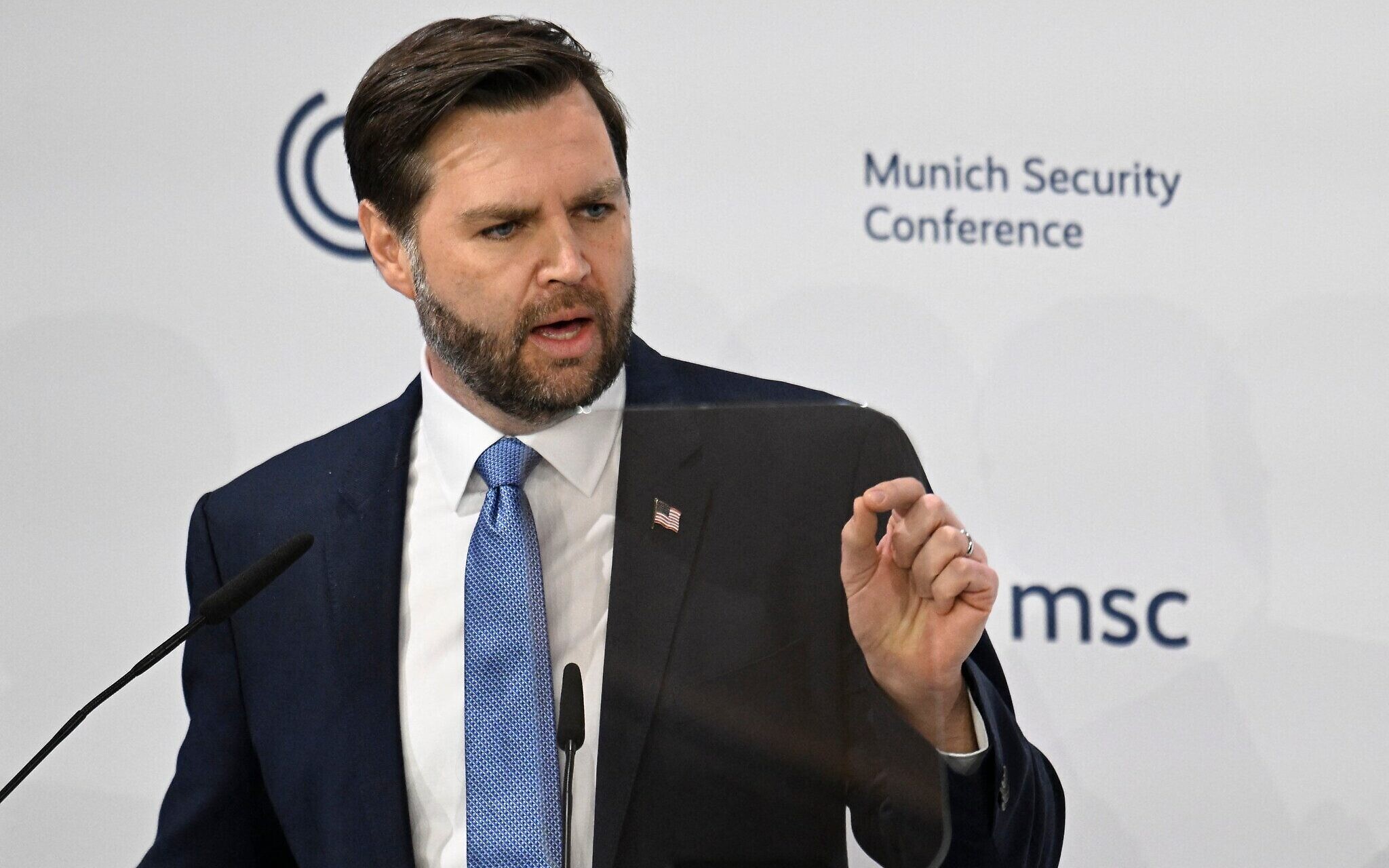
Vance stated that Israel must respect the peace process and described Israeli attacks on Beirut as “unacceptable.” The intended goal of the agreement is to allow the Lebanese government to maintain control over the southern part of the country.
To ensure Israel does not feel threatened, the terrorist group Hezbollah cannot take over the administration of that region, Vance added.
What happens next in the diplomatic process?
Final negotiations on the peace agreement may establish the specific conditions for subsequent steps. The U.S. could proceed with the temporary removal of sanctions if the administration determines congressional consent is not required.
The stability of southern Lebanon may depend on whether the Lebanese government can successfully exclude Hezbollah from local administration.
Frequently Asked Questions
How much oil has moved through the blockade?
According to Vice President Vance, more than 12.5 million barrels of oil and about 12 tankers have passed through.
Will Iran receive $300 billion automatically?
No. Vance stated Iran will receive the funds from the recovery fund only if it changes its behavior and adheres to the agreement’s conditions.
What is the U.S. position on Iran’s military capabilities?
The U.S. does not expect Iran to give up its right to self-defense, but it expects that Iran will not have missiles that threaten the world.
How should the international community balance economic openness in the strait with regional security requirements?