
US-Iran Peace Deal: Senate Blocks War Resolution Amid Lebanon Tensions
The US Senate blocked a resolution to end the Iran war in a 48-47 vote on June 16, 2026. This legislative block comes as the US and Iran prepare to sign a preliminary peace deal this Friday in Switzerland, amid escalating tensions over Israeli military operations in southern Lebanon and threats of a “harsh response” from Tehran.
How did the US Senate vote on the war powers resolution?
The Senate narrowly rejected the Democrat-backed resolution under the War Powers Act with 48 votes against and 47 votes in favor. Most senators voted along party lines, though four Republicans joined Democrats and one Democrat voted against the measure.
Five senators did not cast a vote, including Republican Mitch McConnell, Democrat Michael Bennet, and independent Bernie Sanders. Republicans currently hold small majorities in both the House of Representatives and the Senate.
Why is the situation in Lebanon complicating the US-Iran deal?
Lebanon remains a primary obstacle to a final peace agreement, according to US diplomat Barbara A. Leaf. Hezbollah has informed Reuters that no nuclear deal will be reached between Iran and the US unless Israeli forces withdraw from Lebanon.
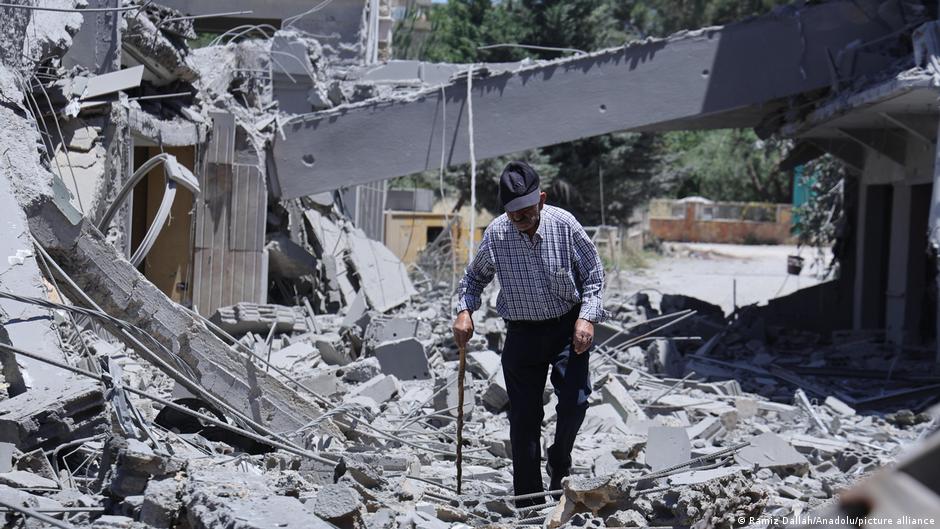
On June 16, the Israeli military reported intercepting rockets and striking a “suspicious vehicle” and a rocket launcher in southern Lebanon. Lebanese media reported that at least four people were killed in an Israeli drone strike.
In response, the Iranian army’s central command, Khatam al-Anbiya, stated that if Israel does not stop its strikes, it “should await a harsh response.” Iran’s top negotiator, Mohammad Baqer Qalibaf, and Foreign Minister Abbas Araghchi have both described the Israeli withdrawal from “occupied areas” as an inseparable part of ending the war.
What has President Trump said about Israel’s military actions?
President Donald Trump stated on Tuesday that he is “not happy with the way Israel has handled itself with Lebanon and with Hezbollah.” Speaking at the G7 summit in France, Trump told Benjamin Netanyahu to be “more responsible,” arguing that the ongoing strikes “throw negative light” on the US ceasefire deal with Iran.

Trump criticized the destruction of apartment buildings during military operations and suggested that Israel allow Syria to “take care of Hezbollah.” He also indicated that the current memorandum of understanding (MoU) with Tehran clearly states Iran will not possess a nuclear weapon.
When and where will the US-Iran deal be signed?
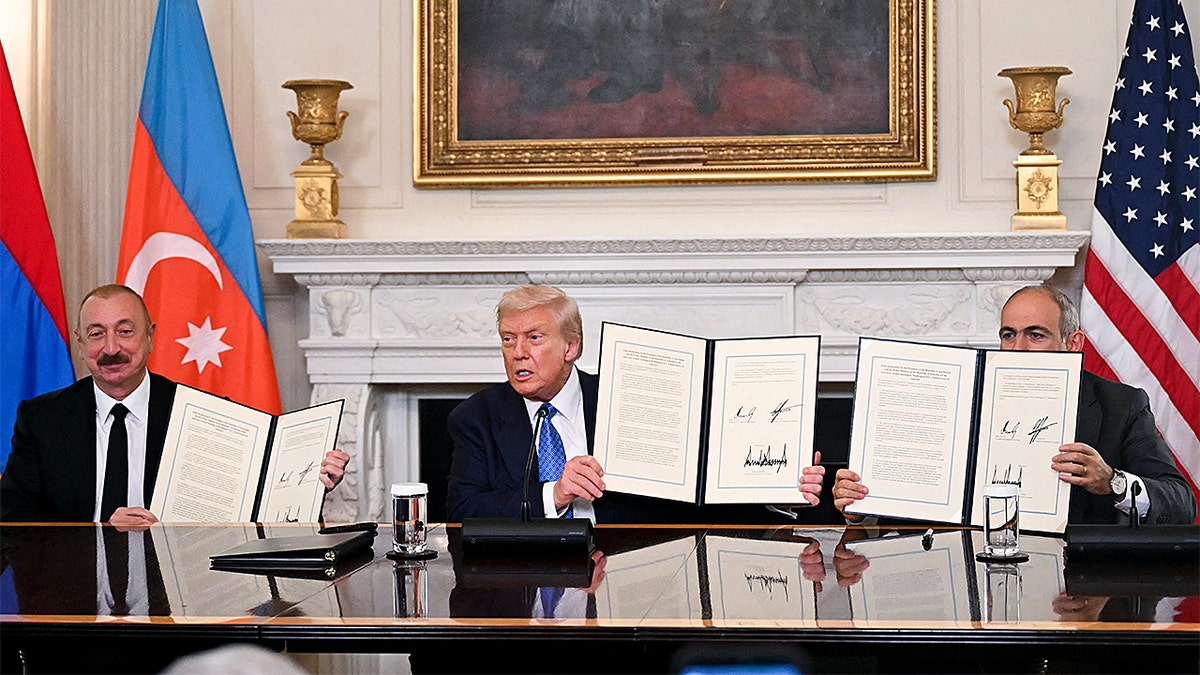
The Swiss Foreign Ministry announced Tuesday that the deal is scheduled for signing this Friday at the Bürgenstock resort near Lucerne. The location was proposed by US and Iranian officials, as well as Qatari and Pakistani mediators.
US Vice President JD Vance and Iran’s top negotiator, Mohammad Baqer Qalibaf, are expected to attend. While the MoU is an initial step, Trump noted that the full text will be shared with the media in a few days and may be sent to Congress for review.
How is the preliminary deal affecting global markets?
Iranian state television reported that oil tankers have resumed sailing, suggesting an easing of the US naval blockade. Brent crude fell $2.48 to $80.69 a barrel by midday Tuesday, while US West Texas Intermediate crude dropped to $78.27.
Samuel Nyandemo, an economics professor at the University of Nairobi, told DW that the reopening of the Strait of Hormuz could lower energy, fertilizer, and food prices in Africa. However, experts suggest oil exporters like Nigeria and Angola may face reduced revenue.
What other developments are occurring in Iran?
Iran executed two men, Javad Zamani and Abolfazl Saedi, who were convicted of “moharebeh” (waging war against God) and “corruption on earth” following anti-government protests in early 2026. The United Nations reports at least 40 executions in Iran so far in 2026, including 18 related to protests.
What may happen next?
The formal signing on Friday could lead to the next phase of regional security talks, according to Qatari Foreign Ministry Spokesman Majed Al Ansari. However, a final deal may depend on whether the US and Israel can reach an agreement regarding the “security buffer zone” in southern Lebanon.
Further negotiations regarding Iran’s nuclear program are expected to last 60 days, though President Trump expressed confidence that these talks could “go pretty quickly.”
Frequently Asked Questions
What was the result of the Senate vote on the war powers resolution?
The US Senate blocked the resolution in a 48-47 vote on June 16, 2026.
What is the $300 billion fund mentioned in reports?
According to Reuters, it is a private investment fund for energy, logistics, manufacturing, and transport. Vice President JD Vance also mentioned a reconstruction fund conditioned on Iran dismantling its nuclear program and accepting inspections.
Why does Hezbollah oppose the current nuclear deal?
Hezbollah stated to Reuters that there will be no nuclear deal between the US and Iran unless Israeli forces withdraw from southern Lebanon.
Do you believe economic incentives like the $300 billion fund are enough to secure a long-term peace deal in the Middle East?