
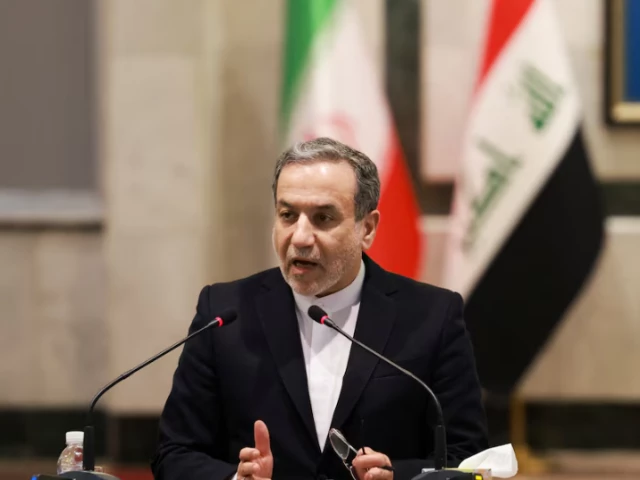
US must accept Iran’s rights or continue war, says IRGC deputy
The Great Middle East Gamble: Can a US-Iran Deal Actually Hold?
Geopolitics is rarely about trust; it is almost always about leverage. Right now, the world is watching a high-stakes game of diplomatic poker between Washington and Tehran. On one side, you have a US administration demanding absolute guarantees on nuclear non-proliferation. On the other, an Iranian leadership that refuses to move a muscle without “tangible results.”
The current friction isn’t just about a signed piece of paper. It is a clash of two fundamentally different visions for the Middle East. While the US seeks to secure global shipping lanes and neutralize nuclear threats, Iran is fighting for economic survival and regional influence.
The Nuclear Red Line: Guarantees vs. Reality
The central pillar of any potential agreement is the nuclear issue. The US position is uncompromising: no nuclear weapons, period. While there are reports of preliminary agreements on this front, the “devil is in the details.”
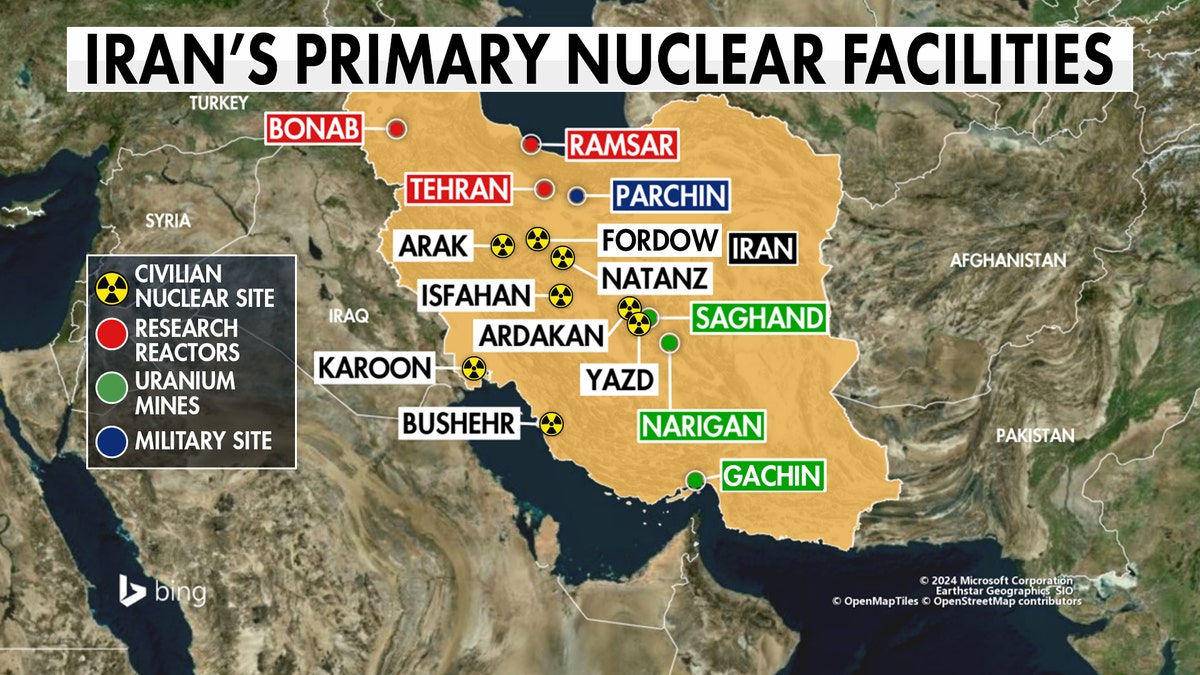
The tension lies in the definition of “nuclear material.” The US is pushing for stricter controls on enriched uranium—the precursor to a bomb—and wants a clear roadmap for how that material is handled or removed. For Iran, however, the right to peaceful nuclear energy is a point of national pride and strategic necessity.
History shows us that “guarantees” are fragile. The collapse of previous agreements proves that without a verification mechanism that both sides trust, any deal is merely a temporary ceasefire. This represents why we see a cycle of “tougher” proposals and cautious responses.
The Strait of Hormuz: The Ultimate Bargaining Chip
If nuclear weapons are the long-term concern, the Strait of Hormuz is the immediate pressure point. By asserting control over this waterway, Iran has effectively created a “physical” leverage point that the US cannot ignore.
Current reports indicate that Iran is requiring foreign vessels to obtain permission for passage. This isn’t just about security; it is a signal to Washington. By controlling the flow of oil, Tehran can exert economic pressure on the global market, forcing the US to the negotiating table on Iranian terms.
Why this matters for the global economy:
- Supply Chain Volatility: Any prolonged blockade leads to immediate shipping delays.
- Insurance Hikes: War-risk insurance for tankers skyrockets during tensions, increasing the cost of goods globally.
- Energy Security: Europe and Asia remain heavily dependent on Gulf oil, making them silent stakeholders in these talks.
The Financial Deadlock: The $12 Billion Question
You cannot buy peace without capital. A major sticking point in the current negotiations is the release of roughly $12 billion in frozen Iranian assets. For Tehran, this is a non-negotiable prerequisite. They aren’t looking for promises; they are looking for liquidity.
The US, conversely, views the release of these funds as a reward to be given after compliance is proven. This “chicken-and-egg” scenario—where one side demands payment before action and the other demands action before payment—is the primary reason deals often stall at the eleventh hour.
For more on how international sanctions impact global trade, check out our analysis on International Monetary Fund (IMF) reports on economic stability.
Regional Ripple Effects: Lebanon and Hezbollah
No deal between the US and Iran exists in a vacuum. Tehran has insisted that the conflict in Lebanon and the role of Hezbollah be included in any comprehensive peace framework. This transforms a bilateral nuclear dispute into a multilateral regional treaty.

The US has traditionally preferred to decouple nuclear talks from regional proxy wars. However, Iran knows that as long as its allies are under fire, any “peace” is incomplete. This suggests that future trends will likely involve a “grand bargain” rather than a simple nuclear agreement.
FAQ: Understanding the US-Iran Tension
Q: Why is the Strait of Hormuz so important?
A: It is the only sea passage from the Persian Gulf to the open ocean. Because so much of the world’s oil flows through it, controlling the strait allows Iran to influence global energy prices.
Q: What are “frozen assets”?
A: These are Iranian funds held in foreign banks that the US has blocked through sanctions. Iran wants this money back to stabilize its economy.
Q: Will Iran actually give up its nuclear ambitions?
A: Iran maintains its program is for peaceful purposes. Any deal would likely involve strict IAEA monitoring rather than a total abandonment of nuclear technology.
What do you think?
Can a deal based on “tangible results” survive the political volatility of both Washington and Tehran, or are we headed for further escalation?
Join the conversation in the comments below or subscribe to our newsletter for deep-dive geopolitical insights.