
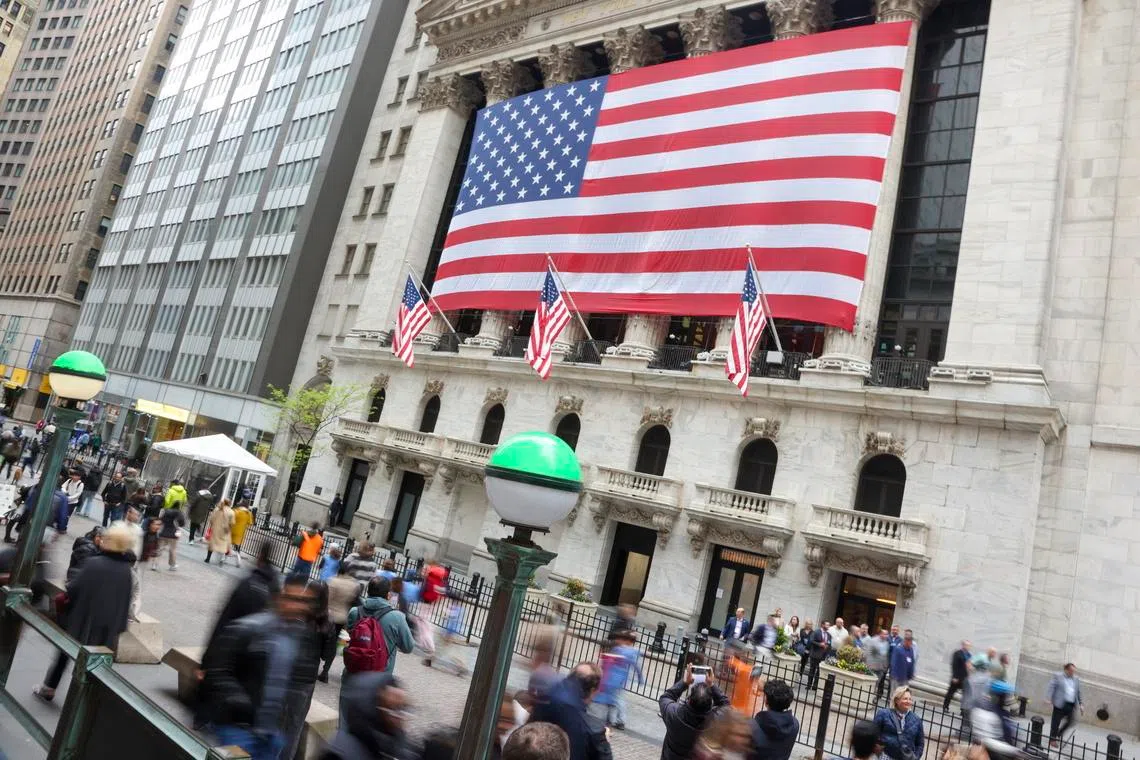
US Q1 2026 GDP Growth Revised Down to 1.6% Amid Middle East Conflict
The U.S. Economy experienced a slower start to 2026 than government officials initially projected. Data released by the Commerce Department on May 28 indicates that the nation’s gross domestic product (GDP) grew at an annual rate of 1.6 percent in the first quarter, a downward revision from the 2 percent advance estimate provided in April.
The Impact of Global Instability
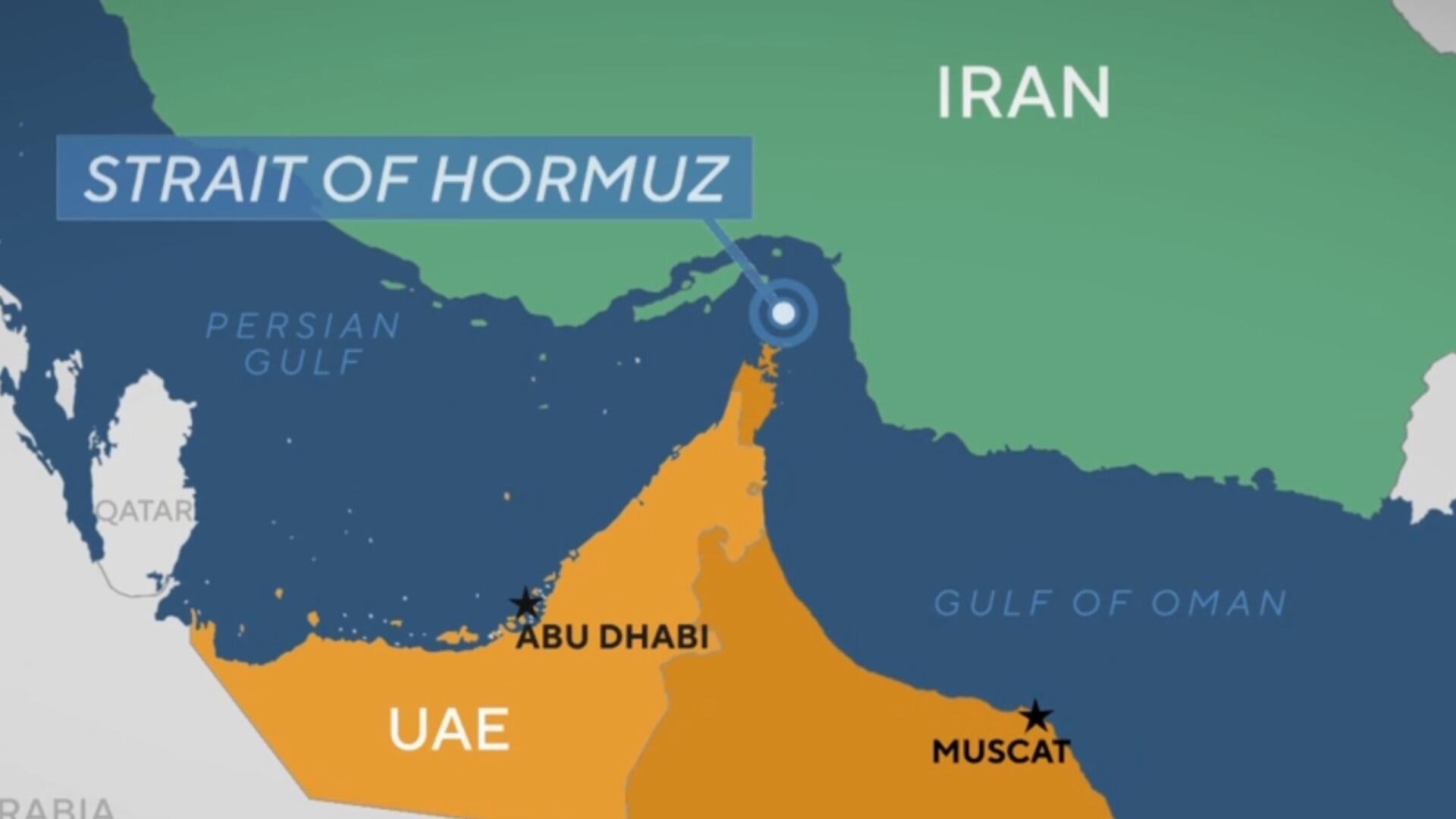
The sluggish growth reflects broader volatility stemming from conflict in the Middle East. Following U.S.-Israeli strikes targeting Iran on February 28, energy costs have surged globally. Tehran’s subsequent retaliation, which involved effectively blocking the Strait of Hormuz, has disrupted a critical transit route for both energy supplies and fertilizers.
This disruption has hit American consumers directly, with gasoline prices spiking at stations across the country. The Commerce Department noted that the downward revision of 0.4 percentage points in GDP was primarily driven by a cooling in both investment and consumer spending.
Looking Ahead
The path forward remains uncertain as the economy navigates these geopolitical pressures. Analysts suggest that if the energy shock persists, the combination of consumer fatigue and reliance on specific sectors like AI could continue to constrain growth. With midterm elections on the horizon, the pressure on the domestic economy is likely to remain a central focus for both officials and the public.
Frequently Asked Questions
Why was the GDP growth estimate revised downward?
The U.S. Commerce Department revised the first-quarter GDP growth down by 0.4 percentage points, primarily due to lower-than-anticipated investment and consumer spending.
How has the conflict with Iran affected the U.S. Economy?
The conflict led to U.S.-Israeli strikes on February 28, triggering a retaliation by Tehran that blocked the Strait of Hormuz. This has caused a surge in global energy costs and a spike in gasoline prices for U.S. Consumers.
Is the U.S. Economy currently in a recession?
The data shows that the economy is still growing, with a 1.6 percent annual rate in the first quarter of 2026, which is an improvement over the 0.5 percent rate seen in the final quarter of 2025.
How do you believe the current energy price volatility will influence your personal financial planning throughout the remainder of the year?