

US Strikes in Iran and Lebanon Escalation Threaten Middle East Peace Deal
The Paradox of “Pressure and Dialogue”: A New Blueprint for Middle East Diplomacy
For decades, the world viewed diplomacy and military action as opposites. You were either at the negotiating table or on the battlefield. However, recent developments between Washington and Tehran suggest a shift toward a “dual-track” strategy: applying maximum military pressure while simultaneously fast-tracking a diplomatic exit.
This contradiction is no longer a glitch in the system; it has become the system. By conducting targeted strikes while maintaining a communication line, superpowers are attempting to create a “forced consensus.” The goal is to bring an adversary to the table not through goodwill, but through the realization that the cost of defiance has become unsustainable.
Why Military Strikes Don’t Always Kill Negotiations
It seems counterintuitive that a country would negotiate while its soil is being bombed. Yet, in the realm of high-stakes geopolitics, these actions often serve as “calibration tools.”
When a state like Iran maintains dialogue despite military setbacks, it is often because the internal cost of economic isolation outweighs the prestige of military retaliation. We see this pattern repeating in various global conflicts: the use of “surgical” strikes to signal capability without triggering a total war that neither side actually wants.
For more on how economic sanctions influence these decisions, see our analysis on the evolution of global sanctions.
The Lebanon Pivot: A Strategic Spoiler in the Peace Process
One of the most critical trends to watch is the “spoiler effect.” Even if the US and Iran reach a grand bargain, regional actors—specifically Israel—may find such a deal detrimental to their own security interests.
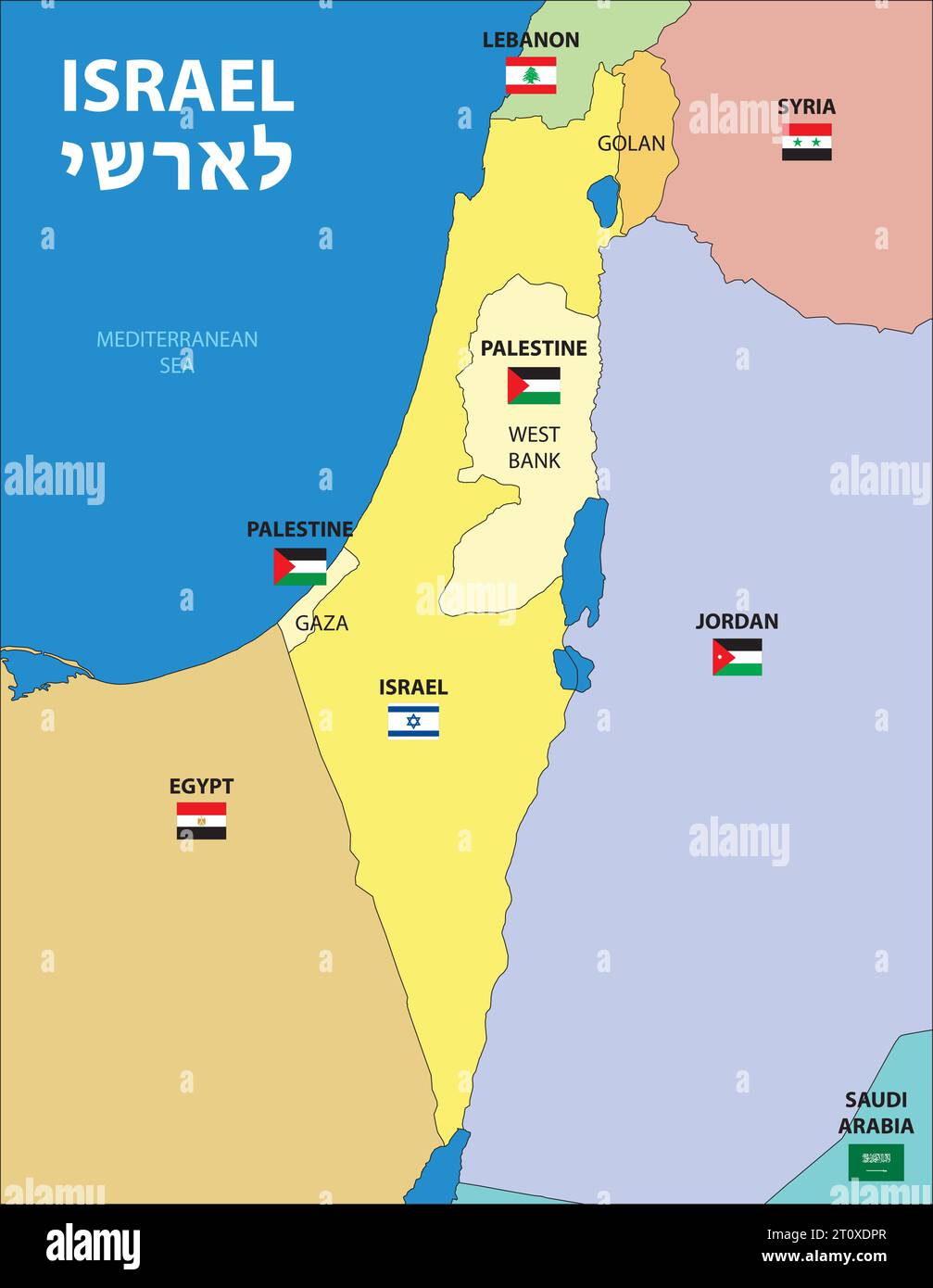
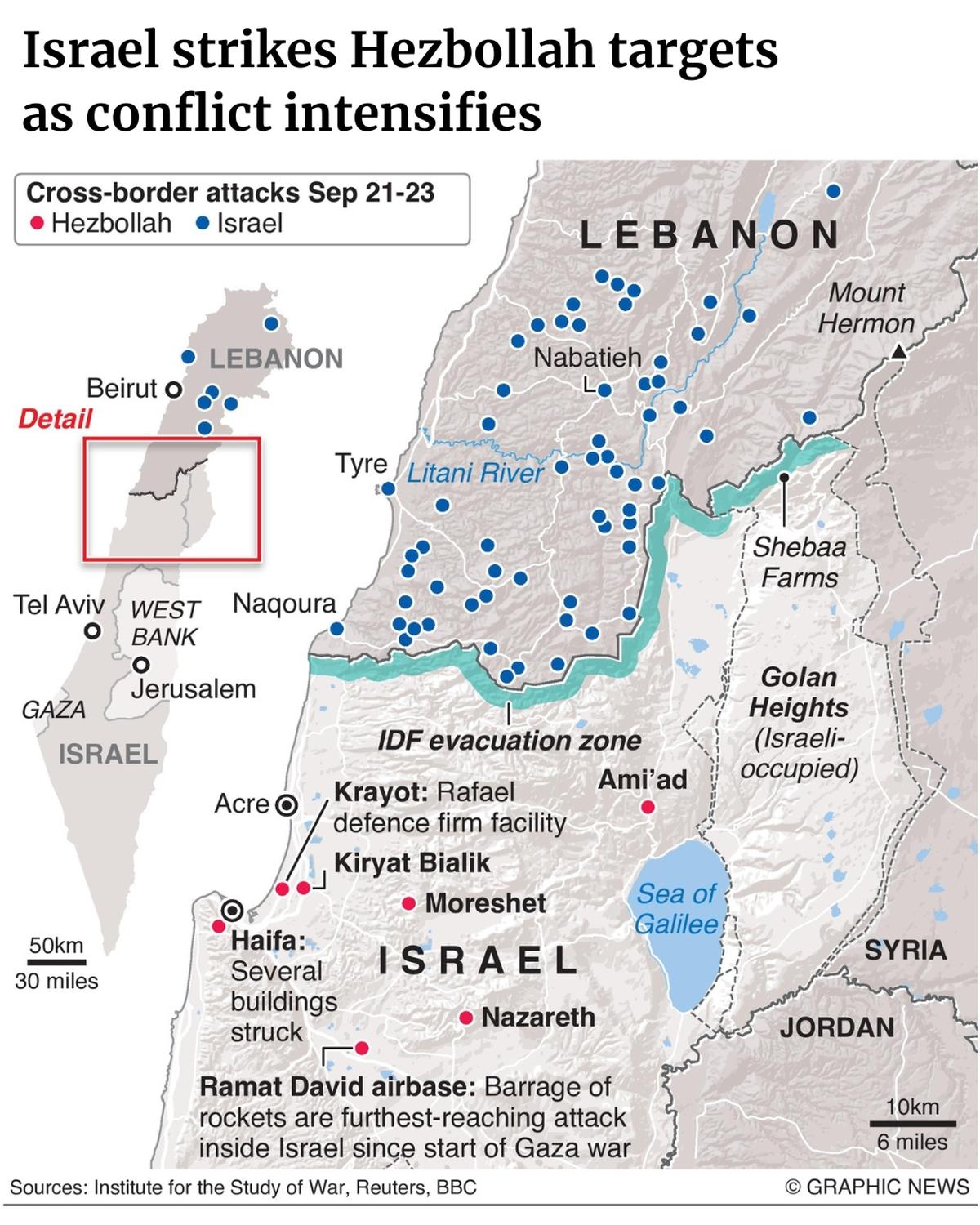
The recent escalation in Southern Lebanon, despite existing ceasefires, highlights a dangerous trend: the use of localized conflict to signal a refusal to be “sold out” by a superpower’s overarching deal. When a regional power feels it is the “loser” in a global agreement, it often creates a new crisis to force a renegotiation of the terms.
This creates a volatile cycle where a peace deal in one capital (Washington/Tehran) triggers a flare-up in another (Beirut/Jerusalem). The risk here is a “miscalculation loop,” where a signal intended to be a political warning is interpreted as a declaration of total war.
The “Netanyahu Factor” and Domestic Political Pressure
Geopolitics is rarely just about borders; it’s about survival. Leaders facing domestic instability or upcoming elections often use external escalation to consolidate internal power. By framing a diplomatic deal as a “surrender,” leaders can pivot the national conversation away from internal failures and toward a narrative of “national defense.”
This trend suggests that future peace deals will require more than just an agreement between two capitals; they will need “domestic insurance” to ensure that local leaders don’t sabotage the deal to save their political careers.
Digital Sovereignty: The New Frontline of Conflict
Beyond the bombs and the treaties, a silent war is being waged over the “off switch” of the internet. The trend of total network blackouts followed by partial restorations is a psychological tool used to control the narrative during critical diplomatic windows.
By controlling the flow of information, regimes can manage public expectations and hide the true extent of military losses or the concessions made during secret negotiations. As we move forward, “digital sovereignty”—the ability of a state to completely isolate its citizens from the global web—will become as important as traditional border security.
Experts at Freedom House have long noted that internet shutdowns are now a standard part of the modern authoritarian toolkit during times of geopolitical stress.
Frequently Asked Questions
Will a US-Iran deal automatically end the conflict in Lebanon?
Not necessarily. While Iran holds significant influence over Hezbollah, regional actors like Israel may resist a forced ceasefire if they believe their security objectives haven’t been met.
Why is the Strait of Hormuz so central to these negotiations?
Because it is the ultimate leverage. For Iran, the ability to disrupt oil flow is a powerful deterrent; for the US, ensuring the “freedom of navigation” is a non-negotiable requirement for global economic stability.
Is the “dual-track” approach of military strikes and diplomacy effective?
It is high-risk. While it can force an adversary to the table, it also risks an accidental escalation that could spiral into a full-scale regional war.
Join the Conversation
Do you think “pressure and dialogue” is a sustainable way to achieve peace, or is it simply a recipe for eventual escalation?
Share your thoughts in the comments below or subscribe to our geopolitical newsletter for weekly deep dives.