
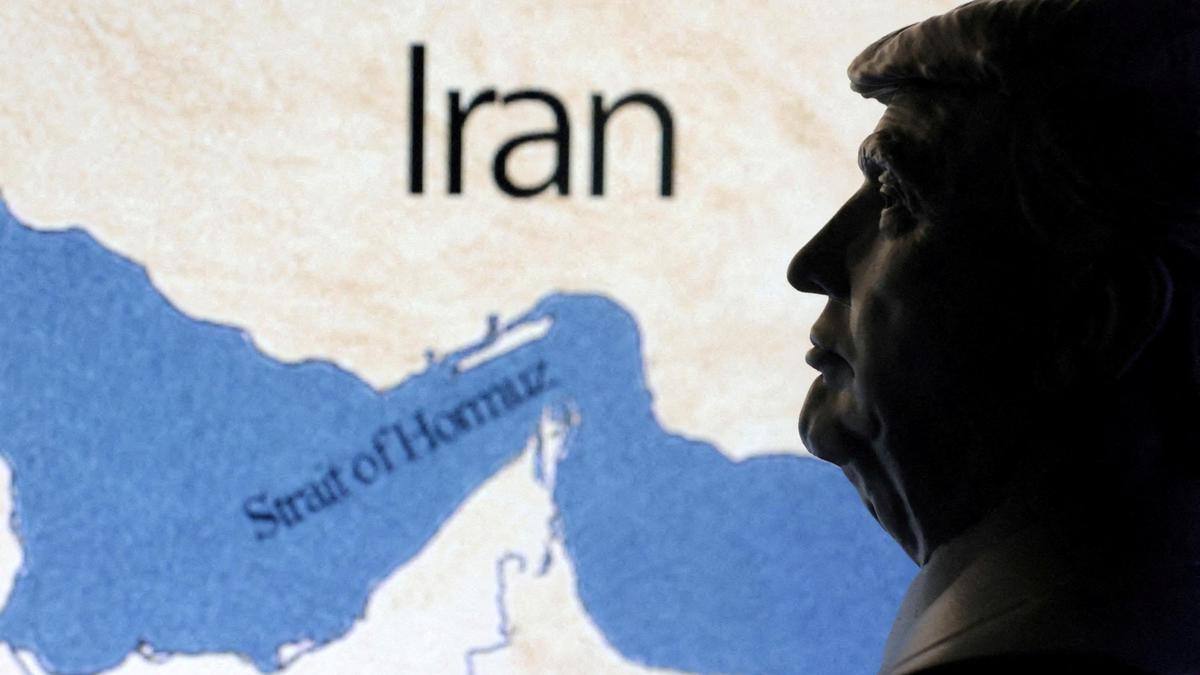
US Strikes Iran as Trump Ties Peace Deal to Abraham Accords
The Paradox of ‘Strike and Negotiate’: A New Playbook for Global Diplomacy
In the high-stakes game of international relations, we are witnessing a shift toward a strategy that seems contradictory: simultaneous military pressure and diplomatic overtures. The recent pattern of “self-defense” strikes paired with claims that negotiations are “proceeding nicely” isn’t just a coincidence—it’s a calculated geopolitical tactic.
This approach, often termed “coercive diplomacy,” aims to weaken an opponent’s leverage at the bargaining table while keeping the door open for a face-saving exit. By demonstrating military capability, a superpower signals that the cost of defiance is high, theoretically making the diplomatic “off-ramp” more attractive.
However, the risk is the “escalation ladder.” When military strikes occur during a ceasefire or negotiation phase, the line between a tactical warning and an all-out conflict becomes dangerously thin. For observers, the trend suggests that future peace deals will likely be preceded by periods of intense, targeted volatility.
Expanding the Abraham Accords: Toward a Regional Security Bloc
The push to expand the Abraham Accords—originally a series of normalization agreements between Israel and several Arab nations—signals a move toward a broader regional security architecture. The goal is no longer just bilateral peace, but a multilateral alliance designed to counter shared adversaries.

The Saudi Factor: The Ultimate Domino
Saudi Arabia remains the most critical piece of this puzzle. For years, the Kingdom has maintained a firm stance: normalization with Israel is tied to a clear path toward Palestinian statehood. This creates a fundamental tension between the U.S. Desire for a “grand bargain” and the domestic and regional pressures facing Riyadh.
If Saudi Arabia eventually signs on, it would likely trigger a domino effect across the Gulf, fundamentally altering the balance of power in West Asia and potentially isolating hardline regimes.
The Non-Arab Variable: Pakistan and Turkey
The inclusion of countries like Pakistan and Turkey in these discussions adds a layer of complexity. Unlike the Gulf states, these nations have deep ideological and strategic ties to the broader Muslim world and often view the Palestinian cause as a non-negotiable pillar of their foreign policy.
For Pakistan, any shift in diplomatic relations with Israel would require a massive internal political shift. The trend here suggests that the U.S. Is attempting to move the Abraham Accords from a “regional agreement” to a “global standard” for stability in the East.
From Conflict to Commerce: The Economic Incentives of Peace
Future trends in the Middle East are increasingly driven by “Economic Peace.” The logic is simple: countries are less likely to go to war if their economies are deeply intertwined. We are seeing a shift where trade corridors and technology sharing are used as the primary incentives for diplomatic normalization.
Consider the potential for integrated rail networks, shared energy grids, and joint cybersecurity initiatives. These “hard” links create a mutual dependency that makes the cost of returning to conflict prohibitively expensive.
For more on how economic shifts influence global politics, check out our analysis on the rise of the Global South or explore the Council on Foreign Relations for deep-dive policy papers.
The Future of Iran’s Role in the Region
The central question remains: can Iran be integrated into this new order, or is it destined to remain the outsider? The trend suggests two possible paths:
- Integration: A comprehensive deal that addresses nuclear concerns and regional influence in exchange for sanctions relief and recognition.
- Containment: A solidified bloc of Israel, Saudi Arabia, and the U.S. Designed to permanently hem in Iranian influence.
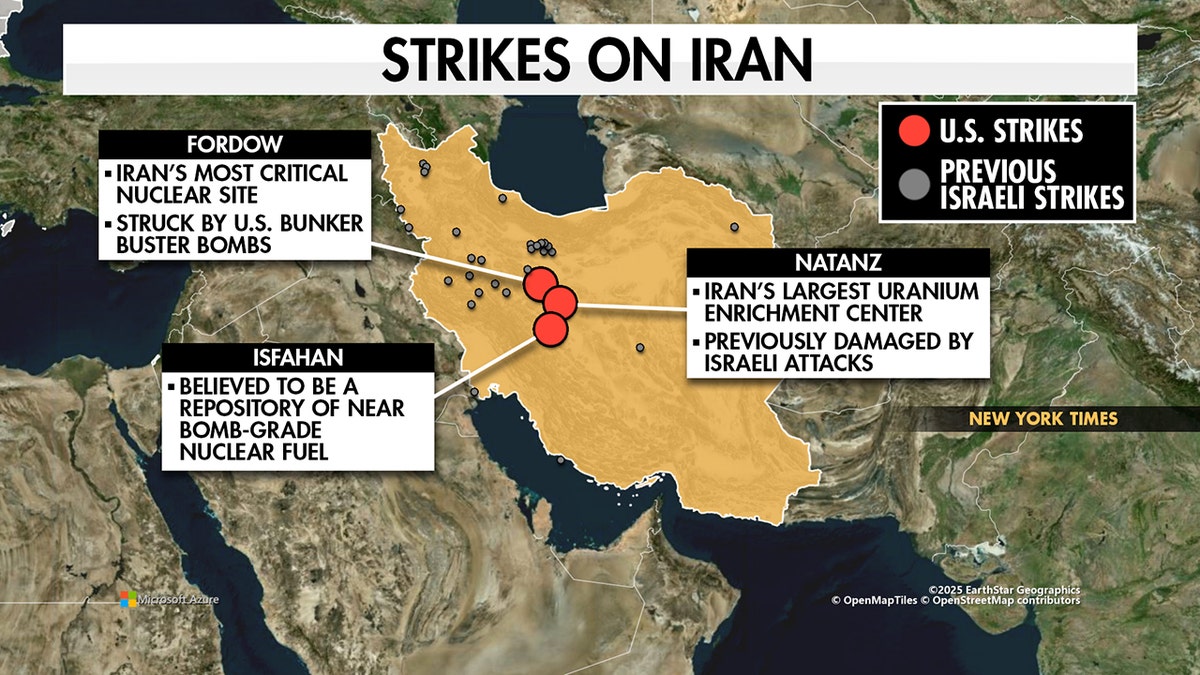
The current “strike and negotiate” cycle suggests the U.S. Is testing both paths simultaneously, using military pressure to see if Iran is ready for a fundamental strategic pivot.
Frequently Asked Questions
What are the Abraham Accords?
They are a series of agreements brokered by the U.S. To normalize diplomatic relations between Israel and several Arab and Muslim-majority nations, focusing on security, trade, and tourism.
Why is Palestinian statehood a sticking point?
Many Muslim-majority nations view the establishment of a Palestinian state as a moral and political prerequisite for any formal relationship with Israel.
Can military strikes and peace talks happen at the same time?
Yes. In geopolitical strategy, this is often used to signal strength and force an opponent to make concessions during negotiations.
What do you think?
Is a “grand bargain” in the Middle East actually possible, or are the ideological divides too deep to bridge?
Join the conversation in the comments below or subscribe to our newsletter for weekly geopolitical briefings.