
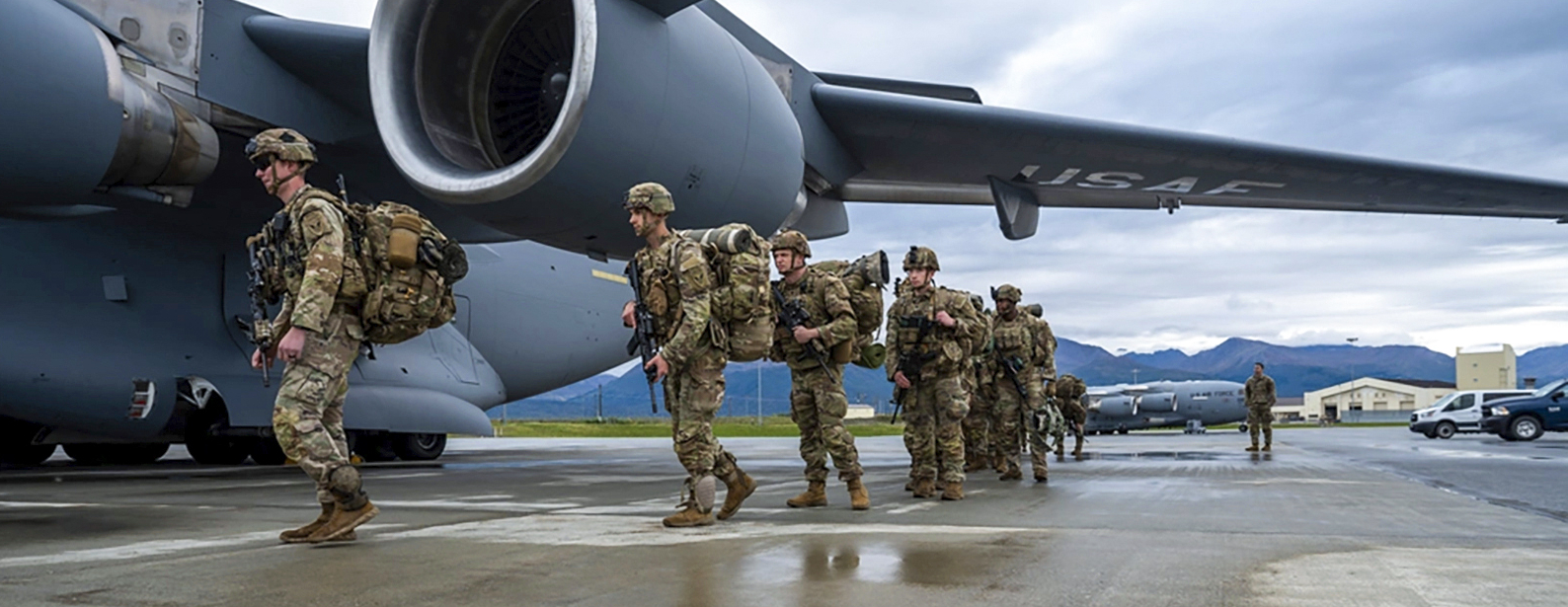
US to Reduce Military Assets in NATO
The Great Pivot: Is Europe Ready to Lead Its Own Defense?
For decades, the security umbrella of the North Atlantic Treaty Organization (NATO) has been anchored by a massive influx of American military hardware, and personnel. However, a seismic shift is underway. Recent signals from the Pentagon indicate a strategic recalibration: the United States is planning to reduce its conventional military footprint in Europe, including a significant cut in fighter jets, strategic bombers, and refueling tankers.
This isn’t just a budget adjustment; it is a fundamental change in the “NATO Force Model.” By pushing European allies to shoulder the primary burden of conventional defense, Washington is effectively telling its partners that the era of the “security free-rider” is over.
The Capability Gap: More Than Just Planes
When the Pentagon speaks of reducing “conventional assets,” the conversation often focuses on the number of aircraft. But the real challenge lies in the enablers. Strategic bombers and aerial refueling tankers are the “glue” that allows a military to operate over long distances.
Without U.S. Tankers, European air forces struggle to maintain prolonged sorties. Without strategic bombers, the psychological and physical deterrent against conventional aggression weakens. This shift forces Europe to move toward Strategic Autonomy—a concept long championed by France but often resisted by others.
The Rise of European Defense Procurement
To fill these voids, we are seeing a trend toward massive procurement surges. Germany’s Zeitenwende (historic turning point) is a prime example, with billions of euros earmarked for military modernization. However, the trend is moving away from buying “off-the-shelf” American gear and toward indigenous European projects.
- Next-Gen Combat Air Systems: Collaborative efforts like the FCAS (Future Combat Air System) aim to create a European fighter that rivals the U.S. F-35.
- Drone Sovereignty: As seen in recent conflicts, the reliance on U.S. Drones is a vulnerability. Europe is now pivoting toward domestic UAV production to ensure supply chain security.
- Logistics Integration: The move toward standardized ammunition and transport across EU borders to ensure rapid deployment.
Nuclear Deterrence vs. Conventional Readiness
A critical nuance in the current strategy is the distinction between nuclear and conventional forces. The U.S. Intends to maintain its nuclear umbrella over Europe, ensuring that the “ultimate deterrent” remains in place. However, the “day-to-day” defense—the ships, the drones, and the infantry—is being handed over to the Europeans.
This creates a precarious balance. If European nations cannot synchronize their conventional forces, they risk a “fragmented defense,” where individual countries are strong, but the alliance as a whole lacks a unified command structure for conventional warfare.
Future Trends: What to Watch
As we move toward a new era of defense, several key trends will define the landscape of global security. Keep an eye on these developments:
1. The ‘Arsenal of Europe’ Concept
Expect a move toward centralized European munitions hubs. Instead of every country having its own small factory, we will likely see “regional hubs” specializing in specific technologies, reducing costs through economies of scale.

2. AI-Driven Border Security
With fewer boots on the ground from the U.S., Europe will lean heavily into AI-driven surveillance and autonomous border defense systems. The integration of NATO’s technological standards with AI will be the new frontline.
3. The Shift in Diplomatic Leverage
As Europe becomes more self-sufficient, its diplomatic relationship with the U.S. Will change. A Europe that can defend itself is a Europe that can negotiate from a position of strength, rather than one of dependency.
Frequently Asked Questions
What is the NATO Force Model?
It is the framework that determines how military resources, personnel, and equipment are distributed among member states to ensure the alliance can respond to threats effectively.
Why is the U.S. Reducing its military assets in Europe?
The U.S. Is shifting its strategic focus toward the Indo-Pacific region and encouraging European allies to take more responsibility for their own regional security (burden-sharing).
Can Europe actually replace U.S. Military capabilities?
Technologically, yes, but it will take years of investment and political coordination. The transition period is the most vulnerable window for the alliance.
For more analysis on global security shifts, check out our deep dive on The Evolution of Modern Warfare or explore our reports on Geopolitical Power Shifts in the 21st Century.
Join the Conversation
Do you think Europe is capable of defending itself without a heavy U.S. Presence, or is this a dangerous gamble? Let us know your thoughts in the comments below or subscribe to our newsletter for weekly geopolitical insights.