

Xreal Launches xbx a01 Affordable and Lightweight AR Glasses
The Democratization of Spatial Computing: Why Your Next Monitor Might Be a Pair of Glasses
For years, Augmented Reality (AR) felt like a playground for the elite or a niche tool for industrial engineers. Between the bulky headsets and the eye-watering price tags of devices like the Apple Vision Pro, the average consumer was left watching from the sidelines. But the tide is turning.
The emergence of lightweight, budget-friendly AR glasses—exemplified by the recent move toward models like the Xreal xbx a01—signals a fundamental shift. We are moving away from “immersive pods” and toward “invisible tech” that fits in your pocket and costs less than a mid-range smartphone.
From Desk-Bound to Boundless: The Death of the Physical Monitor
The most immediate trend we’re seeing is the transition from physical screens to virtual displays. Imagine sitting in a cramped airplane seat or a tiny coffee shop, but having a 147-inch virtual monitor floating in front of you. This isn’t just a gimmick; it’s a productivity revolution.

For digital nomads and remote workers, the ability to project multiple virtual screens via a simple USB-C connection eliminates the need for heavy portable monitors. As industry analysts have noted, the “spatial workstation” is becoming a viable alternative to the traditional home office.
The Gaming Evolution: Low Latency, High Immersion
Gamers are early adopters for a reason. With refresh rates hitting 120Hz and HDR support becoming standard in budget AR, the lag that once plagued wearable displays is vanishing. Whether it’s connecting a Steam Deck, a Nintendo Switch, or a PS5, the goal is “big screen” gaming without the 70-inch OLED TV price tag or the space requirements.
The “Invisible” Design Trend: Fashion Meets Function
The biggest hurdle for AR has always been the “glasshole” effect—the social awkwardness of wearing a bulky computer on your face. The trend is now shifting toward extreme minimalism. We are seeing weights drop to around 60 grams, making them barely heavier than a pair of standard Wayfarers.
Perhaps more interesting is the move toward user-customization. The idea of 3D-printing your own frames or swapping front-pieces suggests that AR hardware is becoming a fashion accessory. When tech becomes customizable, it stops being a “gadget” and starts being a part of a personal wardrobe.
Health-Centric Hardware
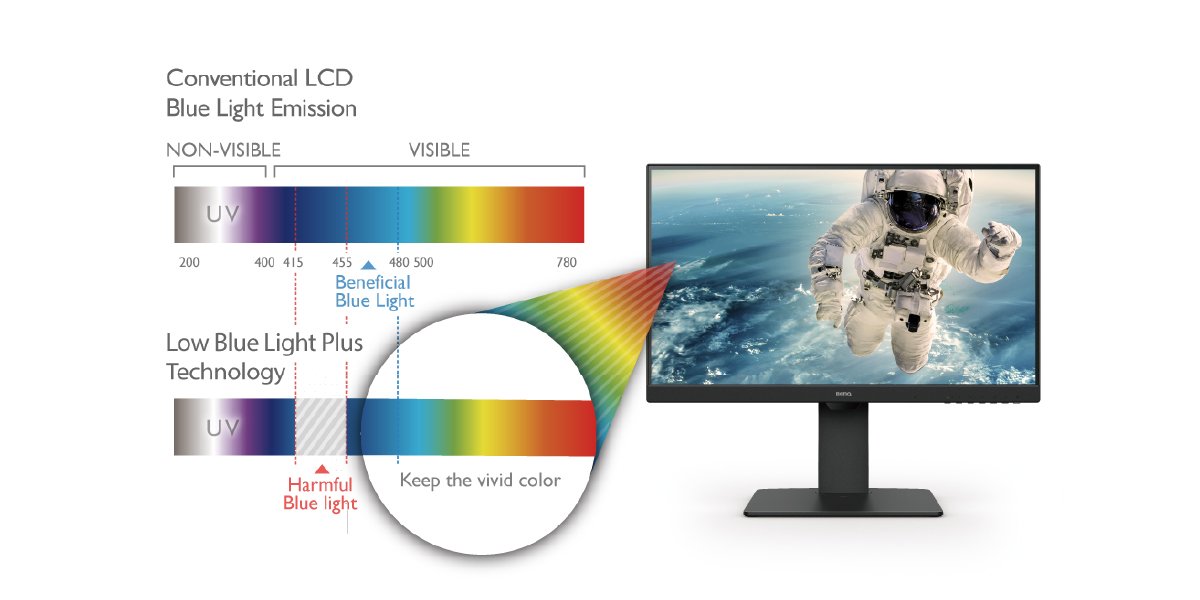
As we spend more time in virtual spaces, “digital eye strain” is a primary concern. Future trends are leaning heavily into eye-health certifications, including:
- Low Blue Light Emission: Reducing sleep disruption and retinal fatigue.
- Flicker-Free Technology: Eliminating the micro-stutters that cause headaches during long sessions.
- Half-Transparent Frames: Allowing the user to remain present in the real world while accessing data.
The Ecosystem Play: The Role of Companion Hubs
While the glasses handle the visuals, the “brains” are moving to companion devices. By offloading the processing power to a smartphone or a dedicated hub (like the Beam Pro), the glasses can stay light and cool. This modular approach ensures that as processors get faster, you don’t need to buy new glasses—just a new hub.
Check out our guide on the best spatial computing accessories to see how to build your own portable setup.
Frequently Asked Questions
Are AR glasses a replacement for VR headsets?
Not exactly. VR (Virtual Reality) is designed to shut out the world entirely. AR (Augmented Reality) is designed to overlay digital information onto the real world, making it far more suitable for productivity, casual gaming, and daily use.
Do I need a high-end PC to run budget AR glasses?
No. Most modern budget AR glasses use USB-C DisplayPort Alt Mode, meaning they can run off a compatible smartphone, tablet, or laptop without needing a powerful GPU.
Will AR glasses eventually replace smartphones?
In the long term, yes. However, the current trend is “complementary use.” The phone acts as the controller and processor, while the glasses act as the screen.
What’s your take on the AR revolution?
Would you trade your physical monitor for a pair of virtual glasses, or is the “screen on your face” still too much for you? Let us know in the comments below or subscribe to our newsletter for the latest in wearable tech!