
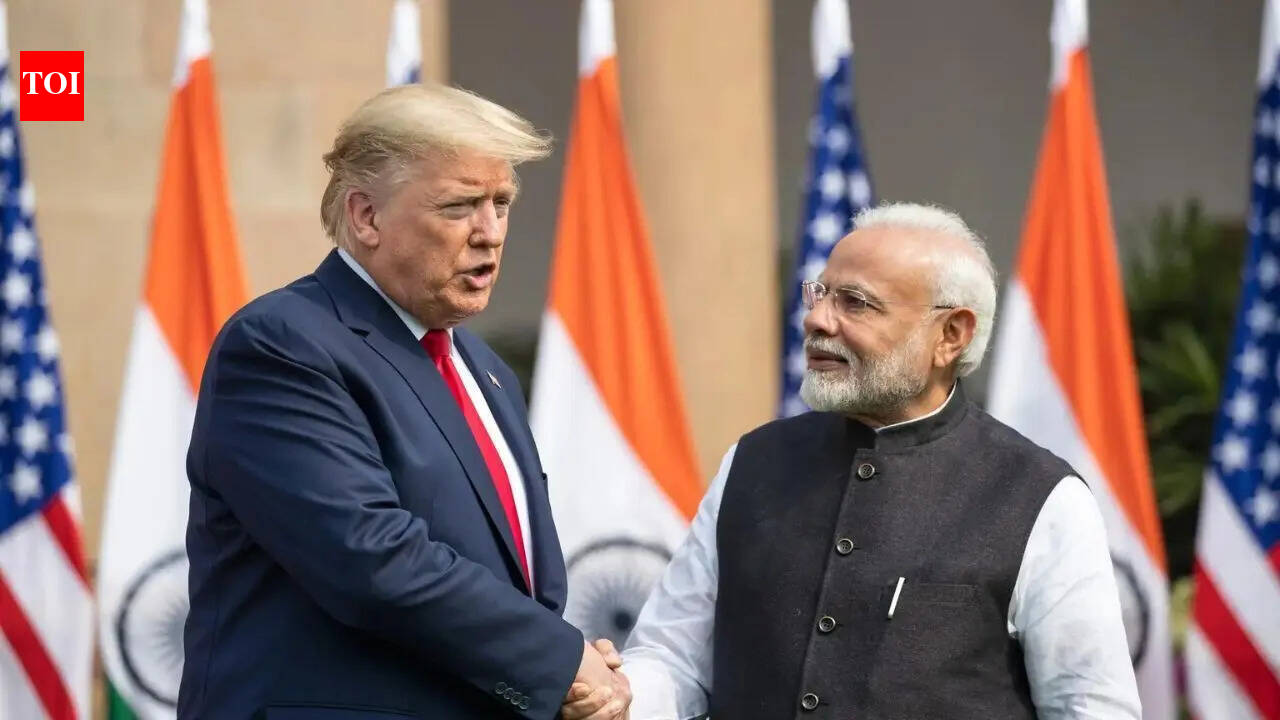
US trade talks on commas and full stops now’: Piyush Goyal | India News
Beyond the ‘Commas and Full Stops’: The New Era of India-US Trade
When a Commerce Minister describes trade negotiations as being down to “commas and full stops,” it usually signals that the heavy lifting is over. However, in the complex world of geopolitics and global economics, the smallest punctuation mark can represent a multi-billion dollar shift in tariff structures.
The current trajectory of the India-US Bilateral Trade Agreement (BTA) is more than just a legal exercise; it is a blueprint for how two of the world’s largest democracies will navigate a volatile global market. With two-way trade hitting the $140 billion mark, the stakes couldn’t be higher.
The Tariff Tightrope: Navigating Section 301
While the legal text of the first tranche of the agreement is nearly finalized, a shadow looms over the deal: the US tariff mechanism. Specifically, the use of Section 301 of the Trade Act of 1974.
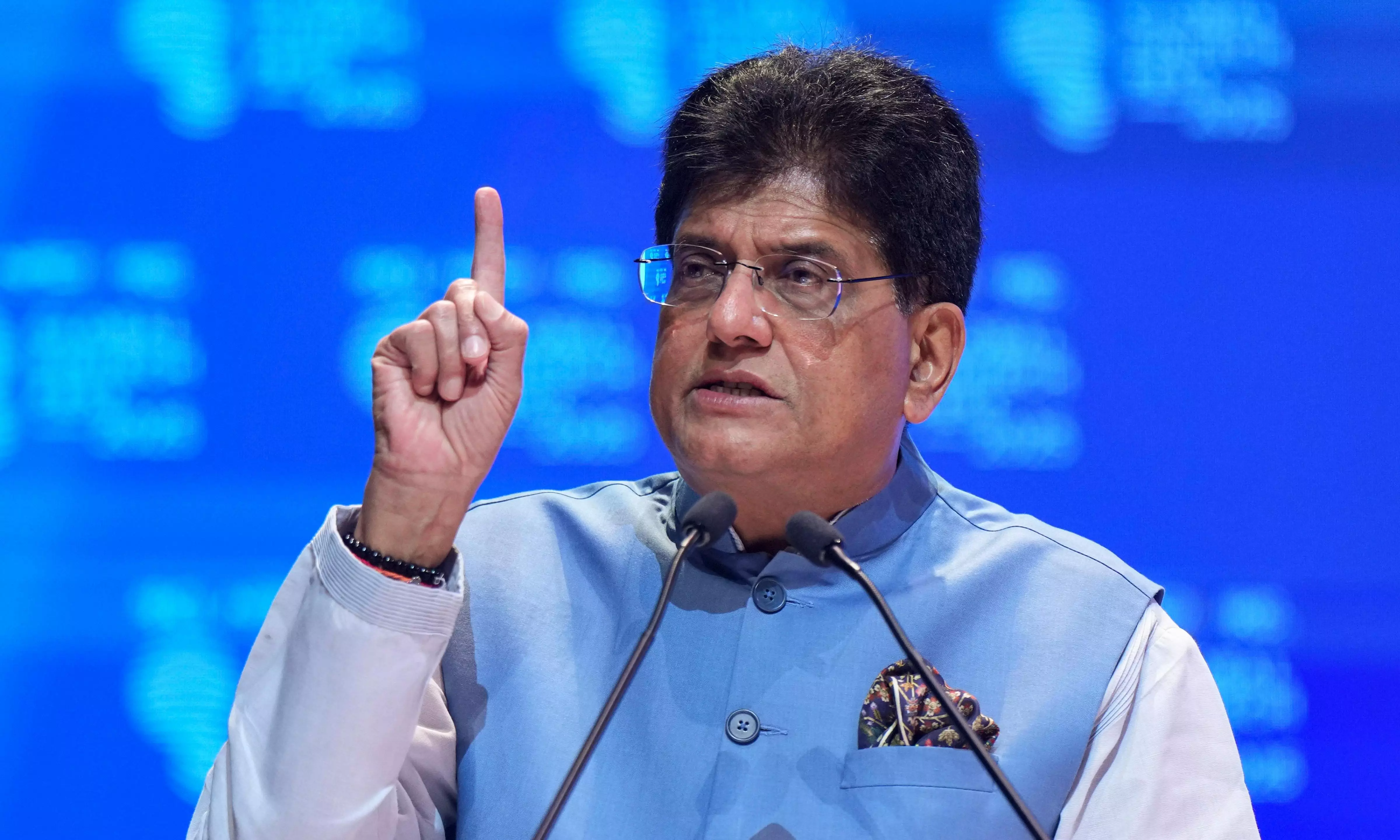
Section 301 allows the US to impose tariffs on countries that engage in unfair trade practices. India currently finds itself under the microscope regarding structural overcapacity in sectors like solar modules, steel, and aluminium. For Indian exporters, the goal is simple: maintain a competitive edge over other rival nations while the US recalibrates its levy systems.
The challenge lies in the “reciprocal” nature of these tariffs. If the US views India’s trade surplus—which stands at over $33 billion—as an imbalance, the pressure to open Indian markets further to American goods will intensify. This tug-of-war between World Trade Organization (WTO) norms and unilateral tariffs will define the next decade of trade.
Why “Reciprocal Tariffs” Matter for the Average Business
For a mid-sized Indian manufacturer of processed foods or a solar panel exporter, these high-level negotiations translate directly to the bottom line. A 10% shift in tariffs can be the difference between a profitable quarter and a loss-making year.
We are seeing a trend where businesses are no longer just looking at the cost of production, but the “political cost” of their export destination. This is driving a shift toward more diversified export portfolios to mitigate the risk of sudden policy changes in Washington.
Future Trend 1: The ‘China Plus One’ Acceleration
The most significant long-term trend emerging from these talks is the acceleration of the China Plus One strategy. Global corporations are aggressively seeking to diversify their supply chains away from China to avoid geopolitical friction and systemic shocks.
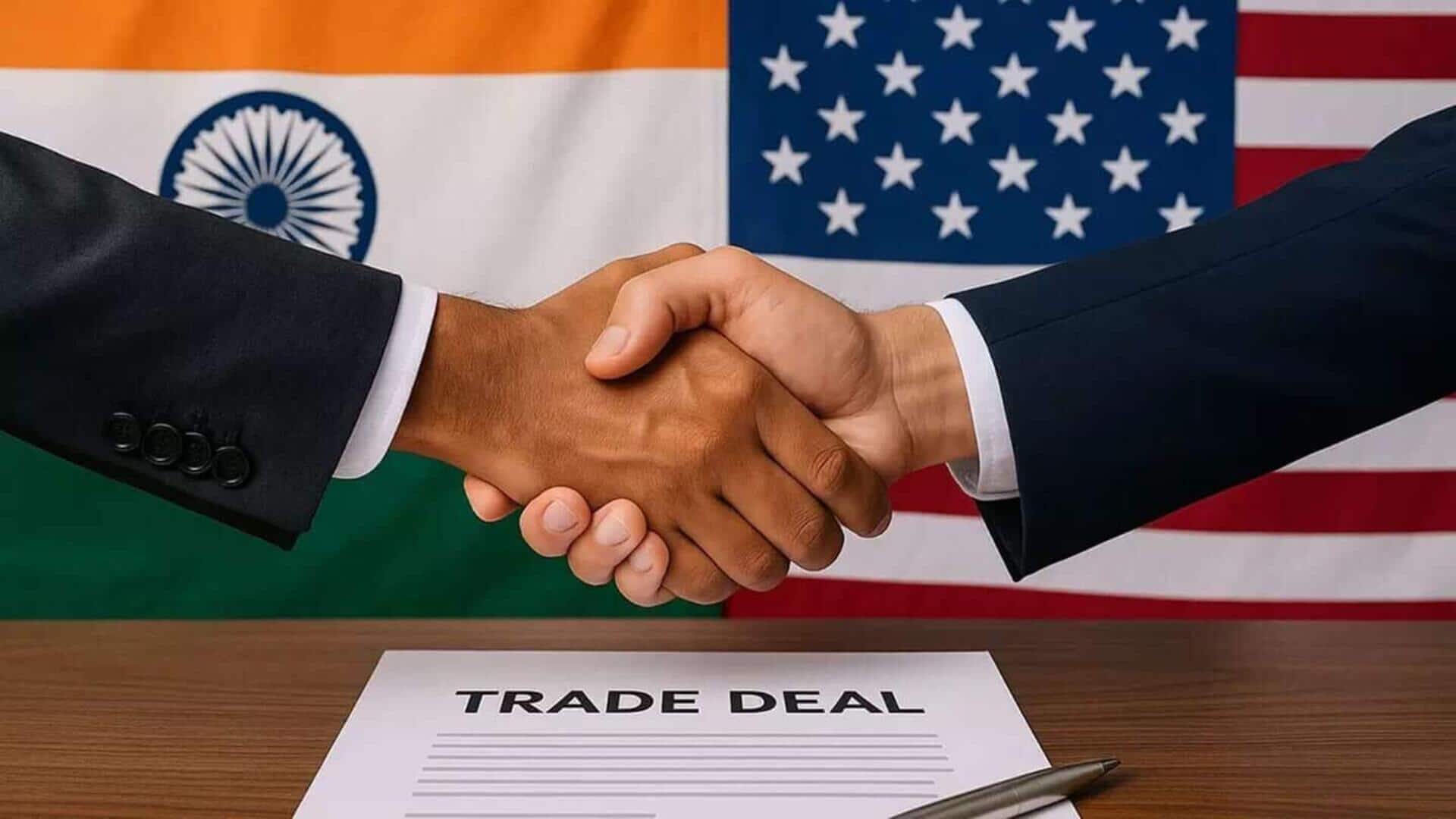
India is positioning itself as the primary alternative. By finalizing a BTA, India isn’t just lowering tariffs; it is sending a signal of “predictability” to global investors. When legal frameworks are settled, capital flows more freely.
We expect to see a surge in US investments in Indian electronics manufacturing and pharmaceutical hubs. The goal is to create a seamless “trust-based” supply chain where critical components move between the two nations with minimal friction.
Future Trend 2: Tech-Trade Integration and Green Energy
The mention of solar modules and processed foods in current probes highlights a shift in what “trade” actually means. We are moving away from simple commodity exchange toward Strategic Tech-Trade.
Future agreements will likely focus on:
- Semiconductor Collaboration: Reducing reliance on East Asian chips by building a US-India semiconductor corridor.
- Green Hydrogen & Solar: Coordinating standards to ensure that “green” products aren’t penalized by “carbon border taxes.”
- Digital Trade: Establishing rules for data localization and cross-border digital services, which are the invisible backbone of the $140bn trade tie.
Case Study: The Solar Module Pivot
Consider the solar industry. As the US probes “structural overcapacity,” India has the opportunity to transition from being a low-cost provider to a high-efficiency partner. By aligning with US technical standards now, Indian firms can bypass future probes and secure long-term contracts in the American renewable energy market.
The Geopolitical Bottom Line
The India-US trade relationship is no longer just about selling goods; it is about strategic alignment. The “commas and full stops” currently being debated are the final hurdles in creating a framework that can withstand the volatility of changing administrations.
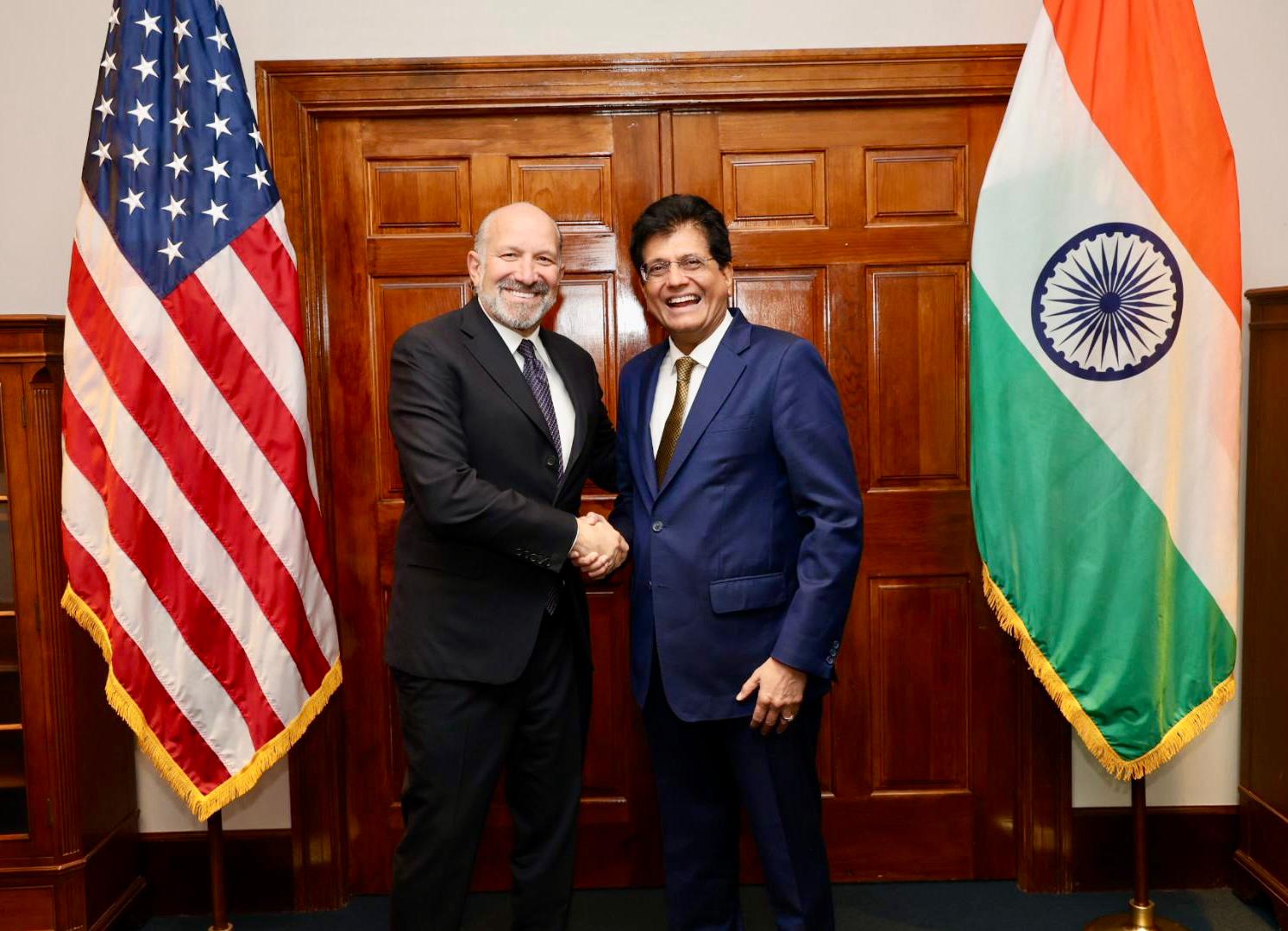
Whether through the BTA or separate sectoral agreements, the objective is clear: create a trade ecosystem that is resilient, reciprocal, and resistant to the whims of unilateral tariff hikes. For those following the global economy trends, this is the most important corridor to watch.
Frequently Asked Questions
The Bilateral Trade Agreement (BTA) is a treaty between India and the US to reduce trade barriers, lower tariffs, and create a structured framework for economic cooperation. It is vital because it stabilizes the $140 billion trade relationship.
Section 301 is a US trade law that allows the government to impose tariffs on countries it deems are using unfair trade practices. India faces probes in sectors like steel and solar, which could lead to higher export costs if not resolved.
It is a business strategy where companies diversify their manufacturing away from China to another country (like India) to reduce risk. A successful US-India trade deal makes India a more attractive “Plus One” destination.
Join the Conversation
Do you think a formal trade agreement will actually protect Indian exporters from unilateral US tariffs, or is the geopolitical risk too high?
Share your thoughts in the comments below or subscribe to our newsletter for deep-dive analysis on global trade!