
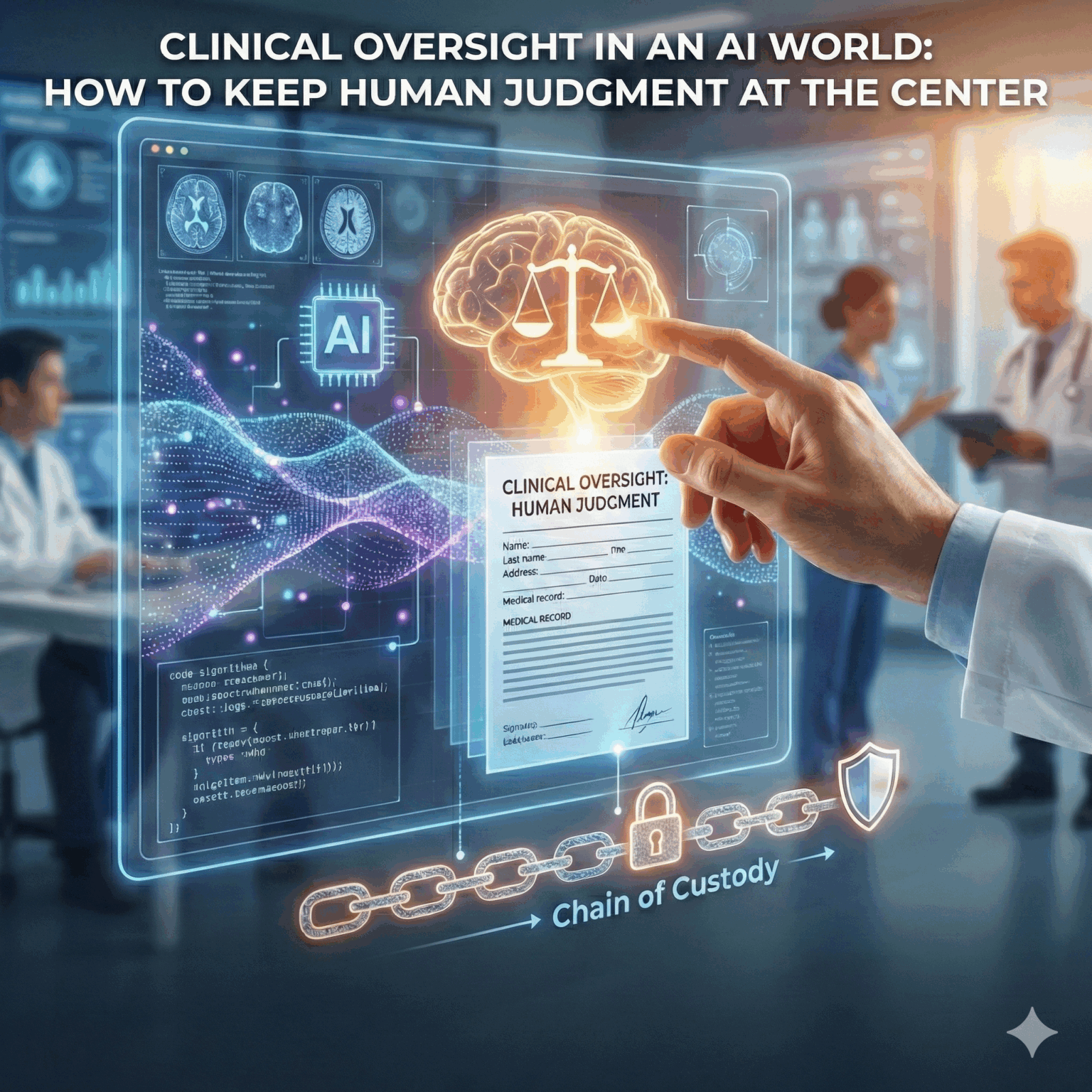
Utah’s Clinical AI Sandbox: Lessons in Independent Oversight
The integration of artificial intelligence into clinical settings is moving beyond theoretical debate and into a period of active, real-world testing. Recent developments in Utah highlight a shift toward “clinical AI sandboxes,” a framework designed to provide independent oversight for algorithms before they are deployed in patient care.
The Evolution of Clinical Oversight
As healthcare systems increasingly rely on automated tools to assist in diagnostics and patient management, the need for rigorous, transparent evaluation has become a priority. The Utah-based model functions as a controlled environment where AI systems undergo scrutiny to ensure they perform as intended without introducing unforeseen risks to patient outcomes.
This framework is significant because it shifts the burden of validation from private developers alone to a collaborative model involving independent reviewers. By subjecting algorithms to this level of scrutiny, the goal is to align technological advancement with the standard of care required in medical practice.
Implications and Future Directions
The success of these sandboxes could determine how other regions and health systems approach AI governance. If this model proves effective in catching errors early, it is likely that similar structures will be adopted as a standard requirement for clinical AI deployment.
A possible next step involves the expansion of these oversight frameworks to include more diverse datasets and complex diagnostic tasks. Analysts expect that as these sandboxes mature, they will provide the necessary evidence to build public and professional trust in automated medical tools.
Frequently Asked Questions
What is a clinical AI sandbox?
It is a controlled environment where artificial intelligence systems are tested and evaluated for performance and safety before being fully integrated into clinical practice.
Why is independent oversight necessary for medical AI?
Independent oversight is used to ensure that algorithms perform accurately and safely, reducing the risk of bias or clinical errors that could impact patient health.
What does the Utah model suggest for the future of healthcare technology?
The model suggests a transition toward standardized, proactive evaluation frameworks that prioritize patient safety and transparency as essential components of technological innovation.
How do you believe the balance between rapid AI innovation and the necessity of independent safety testing should be managed in our hospitals?