
Vaud Police Launches New Dialogue Unit for Public Demonstrations
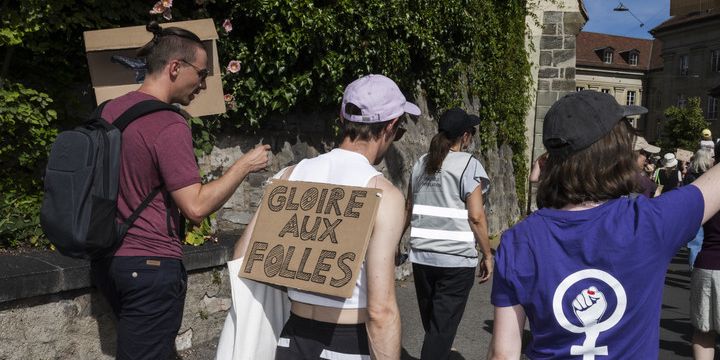
The Vaud Cantonal Police have introduced a new specialized unit, the “Team Dialogue Population,” designed to manage public gatherings through communication rather than traditional force. Composed of approximately 30 gendarmes and inspectors, the unit debuted during the June 13–14 weekend at the feminist strike in Lausanne and anti-G7 protests in Évian, according to information confirmed by the police.
Did You Know? The Vaud unit’s operational approach is directly modeled after practices developed by the Zurich Municipal Police and other German-speaking Swiss law enforcement agencies, with Zurich officers present in Lausanne to support their Vaud counterparts during the initial deployment.
How the new unit operates
The unit’s primary objective is to maintain order by prioritizing interaction over confrontation. According to Olivia Cutruzzolà, director of communication for the Vaud Cantonal Police, the team focuses on three specific functions: establishing direct contact with protesters, providing real-time information regarding event developments, and utilizing active listening to de-escalate tensions before they intensify.
While the officers operate in civilian clothes to appear more approachable, they remain equipped for safety. The police confirmed that while the team does not carry overt tactical gear, members wear discreet protective equipment, including bulletproof vests beneath their grey identification vests, and are equipped with earpieces for communication.
Why this shift in strategy matters
The creation of the “Team Dialogue Population” represents a departure from strictly traditional police response models in Vaud. By adopting a framework that emphasizes dialogue, the department aims to integrate de-escalation as a standard procedure during large-scale public events. The presence of Zurich-based officers during the unit’s first deployment underscores a broader trend of cross-cantonal cooperation in refining crowd management tactics across Switzerland.
Expert Insight: The transition toward a dialogue-based model suggests that authorities are prioritizing the prevention of escalation over reactive force. For law enforcement, the primary trade-off involves maintaining public order while ensuring the safety of officers who are less visibly protected, which requires a high degree of situational awareness and communication skills to remain effective during volatile events.
What may happen next
The Vaud Cantonal Police have stated their intention to make this unit a permanent fixture of their operations. It is likely that the “Team Dialogue Population” will be deployed at future high-profile gatherings throughout the canton. If the current model proves successful in mitigating conflict, other regional police departments in Switzerland may evaluate similar strategies to manage public demonstrations.
Frequently Asked Questions
What is the primary role of the Team Dialogue Population?
The unit is tasked with establishing direct contact with participants at gatherings, providing real-time information, and using communication to de-escalate tensions.
Are the members of this unit armed?
The police remain evasive regarding specific weaponry but have confirmed that officers wear discreet protective gear, including bulletproof vests under their uniform vests.
Where did the inspiration for this unit originate?
The unit’s methodology is based on practices utilized by the Zurich Municipal Police and other police corps in German-speaking Switzerland.
Do you believe that prioritizing dialogue over traditional force will fundamentally change how public demonstrations are managed in the future?