
Vectorium Network Explained: Carbon Credits on Solana
Vectorium Network is building a Solana-based ecosystem to tokenize carbon credits into Carbon Fungible Tokens (CFTs). According to the project’s whitepaper, the platform aims to resolve traditional market failures—such as duplicate counting and opaque tracking—by converting verified emission offsets into traceable digital assets.
Why are traditional carbon markets failing?
Traditional environmental markets struggle with systemic inefficiencies that hinder scalability. According to the project’s documentation, these systems often rely on slow processing and complex paperwork that limits access for smaller participants.
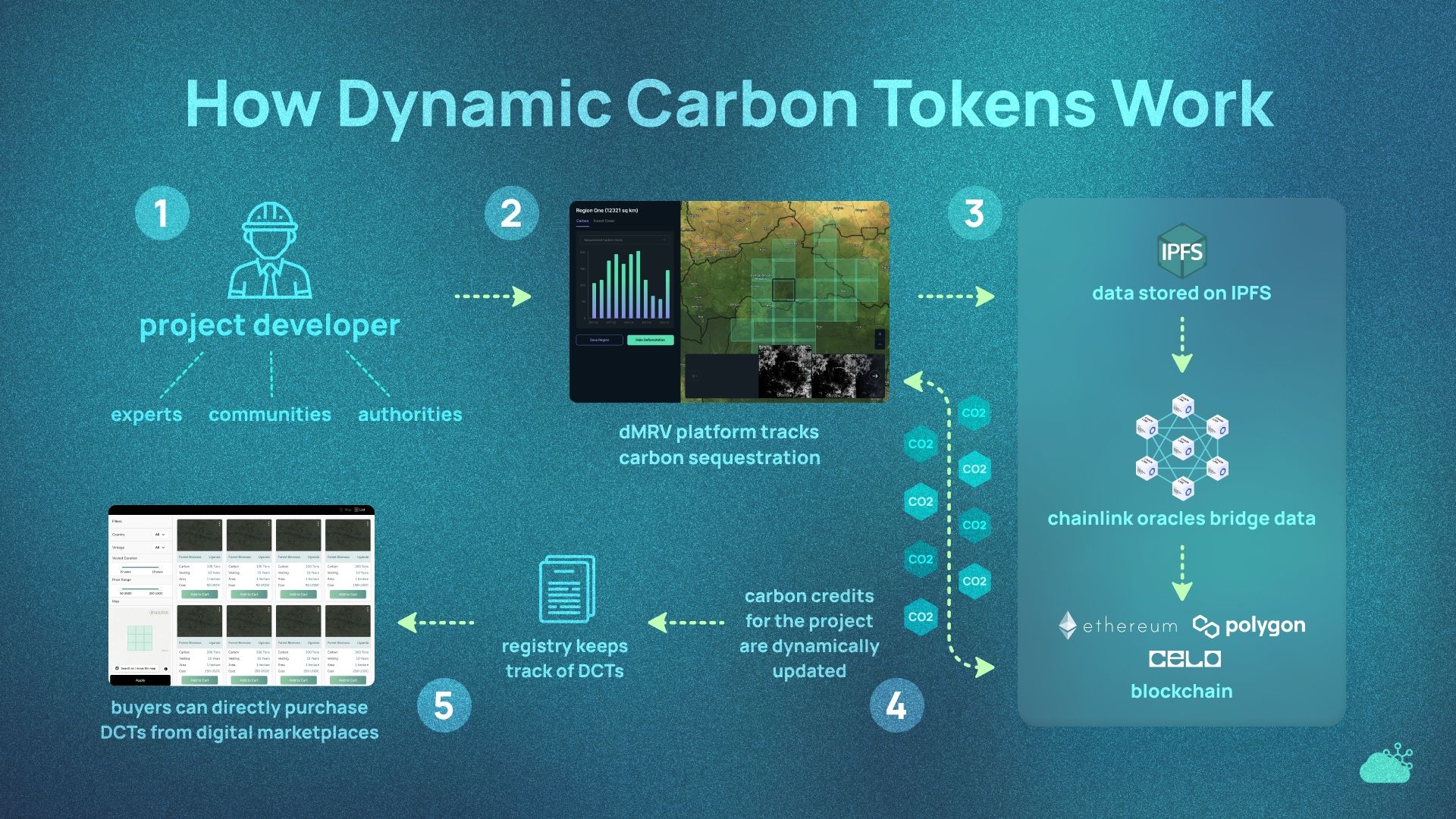
A critical flaw in these legacy systems is the risk of duplicate counting, where the same carbon offset is claimed by multiple parties. This lack of transparent tracking undermines the actual environmental impact of the credits. Vectorium Network proposes a blockchain-based alternative to ensure every credit is uniquely identified and tracked.
How do Carbon Fungible Tokens (CFTs) work?
The system converts verified emission offset assets into blockchain-based tokens known as Carbon Fungible Tokens (CFTs). This process moves the asset from a paper-based or centralized ledger to a decentralized one.

Once digitized, these CFTs are managed through smart contracts. The project’s whitepaper states that this infrastructure maintains traceability throughout the entire asset lifecycle. This means a credit can be tracked from its initial verification to its eventual “retirement” or compensation, preventing the reuse of the same offset.
The ecosystem is supported by a native token, Vectorium crypto, which acts as the primary mechanism for network access and participation.
What does the Vectorium roadmap signal for the future?
The project’s published roadmap indicates a shift toward decentralized governance and automated trading. Planned milestones include the development of smart contracts and a Token Generation Event (TGE).
The network intends to launch a marketplace beta to facilitate the digital trading of these assets. Later stages of the roadmap focus on expanding governance through DAO (Decentralized Autonomous Organization) structures and implementing new environmental reporting initiatives.
What are the primary risks of tokenized carbon credits?
While the technology solves tracking issues, the project’s success depends on external factors. Regulatory developments remain a primary risk, as carbon markets are heavily influenced by government policy and international climate agreements.
Adoption is another hurdle. The platform’s utility relies on the willingness of verified emission providers to migrate their assets to the Solana blockchain. Without widespread adoption and compliance with sustainability frameworks, the digital marketplace cannot reach its full potential.
Comparing Traditional vs. Blockchain Carbon Markets
| Feature | Traditional Markets | Vectorium Network |
|---|---|---|
| Verification | Slow, paper-heavy | Smart contract-based |
| Transparency | Low; risk of double counting | High; blockchain traceable |
| Accessibility | Limited to large players | Open digital marketplace |
Frequently Asked Questions
What is a Carbon Fungible Token (CFT)?
A CFT is a digital token on the blockchain that represents a verified emission offset asset, making it easier to trade and track than traditional credits.
Which blockchain does Vectorium Network use?
Vectorium Network is built on the Solana blockchain to leverage its high speed and scalability.
How does the platform prevent duplicate counting?
By using blockchain verification mechanisms, the platform maintains a transparent, immutable record of the asset’s lifecycle from creation to retirement.
What do you think about the move toward “Regenerative Finance” (ReFi)? Do you believe blockchain can actually solve the transparency issues in carbon markets? Let us know in the comments below or subscribe to our newsletter for more deep dives into blockchain utility.